2nd NSPP Public Policy Conference on Food Security (19-20 August, 2024)
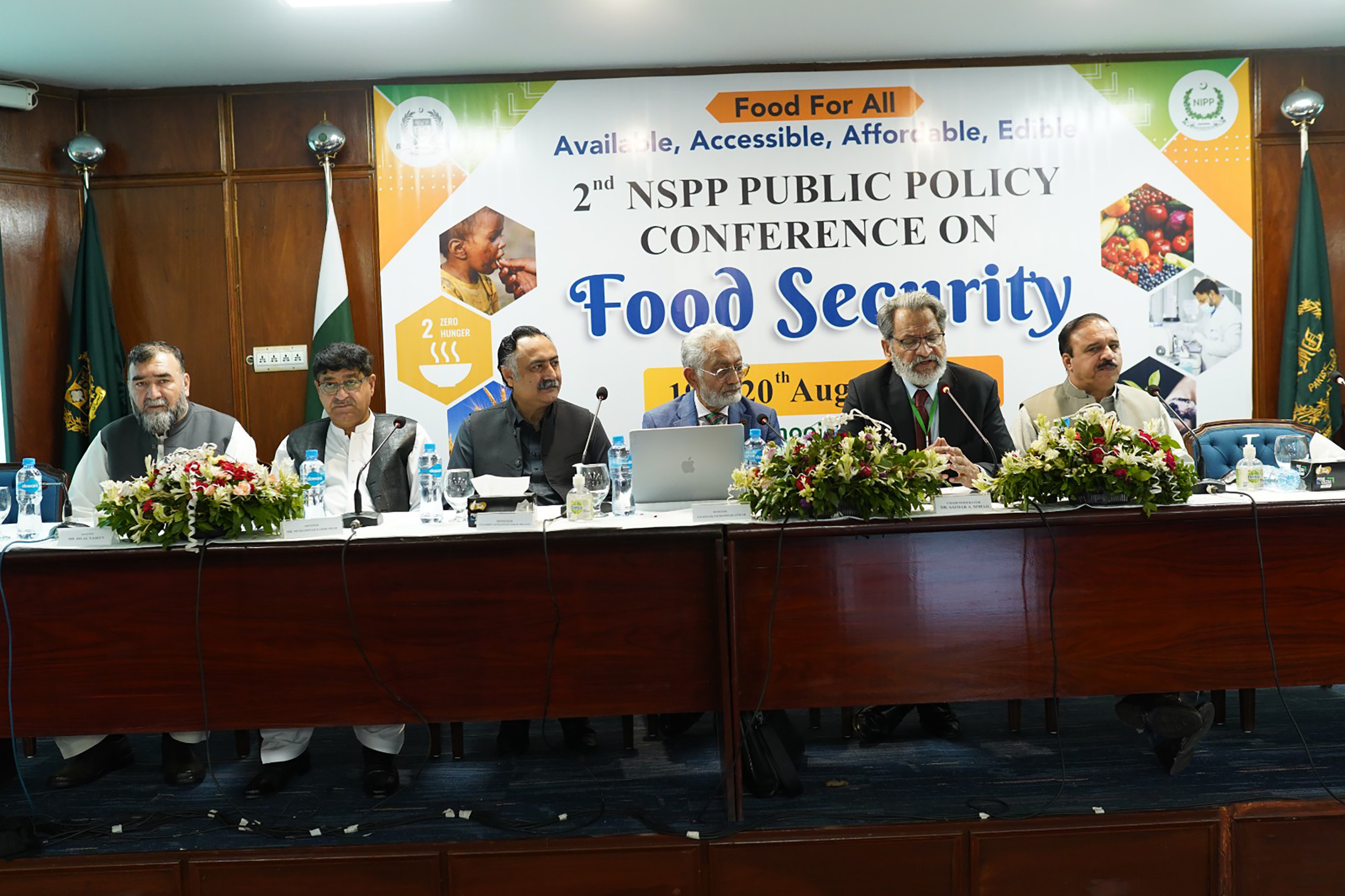
The 2nd National School of Public Policy (NSPP)’s Conference on Food Security held on 19-20th August-2024 with speakers emphasizing the urgent need to address this escalating crisis. The two-day conference was comprehensive, covering a wide range of topics related to the challenges, solutions, and future strategies for ensuring food security. It highlighted the importance of achieving Sustainable Development Goal 2 (Zero Hunger) and the development of a robust policy framework to address food security was discussed.
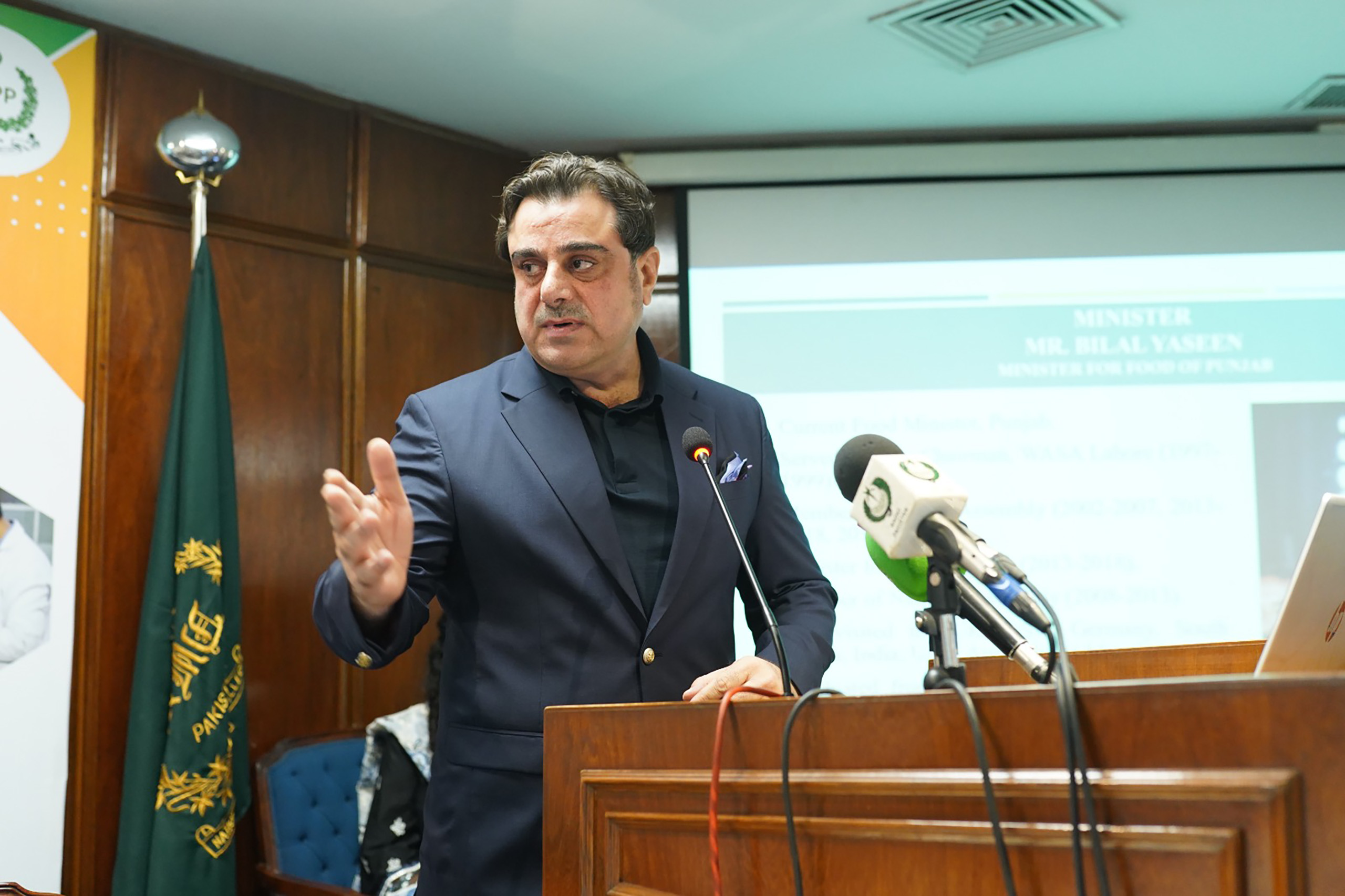
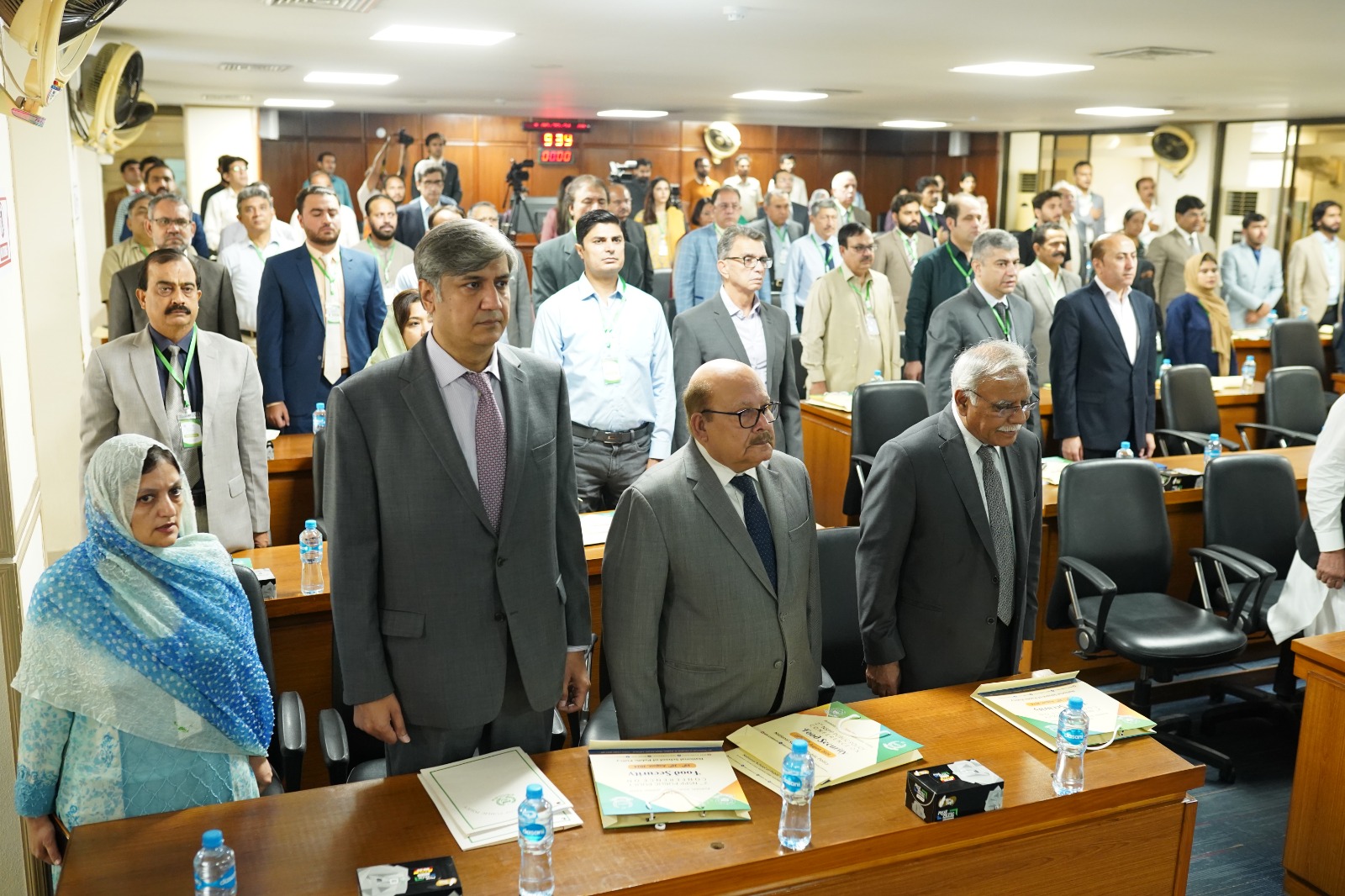
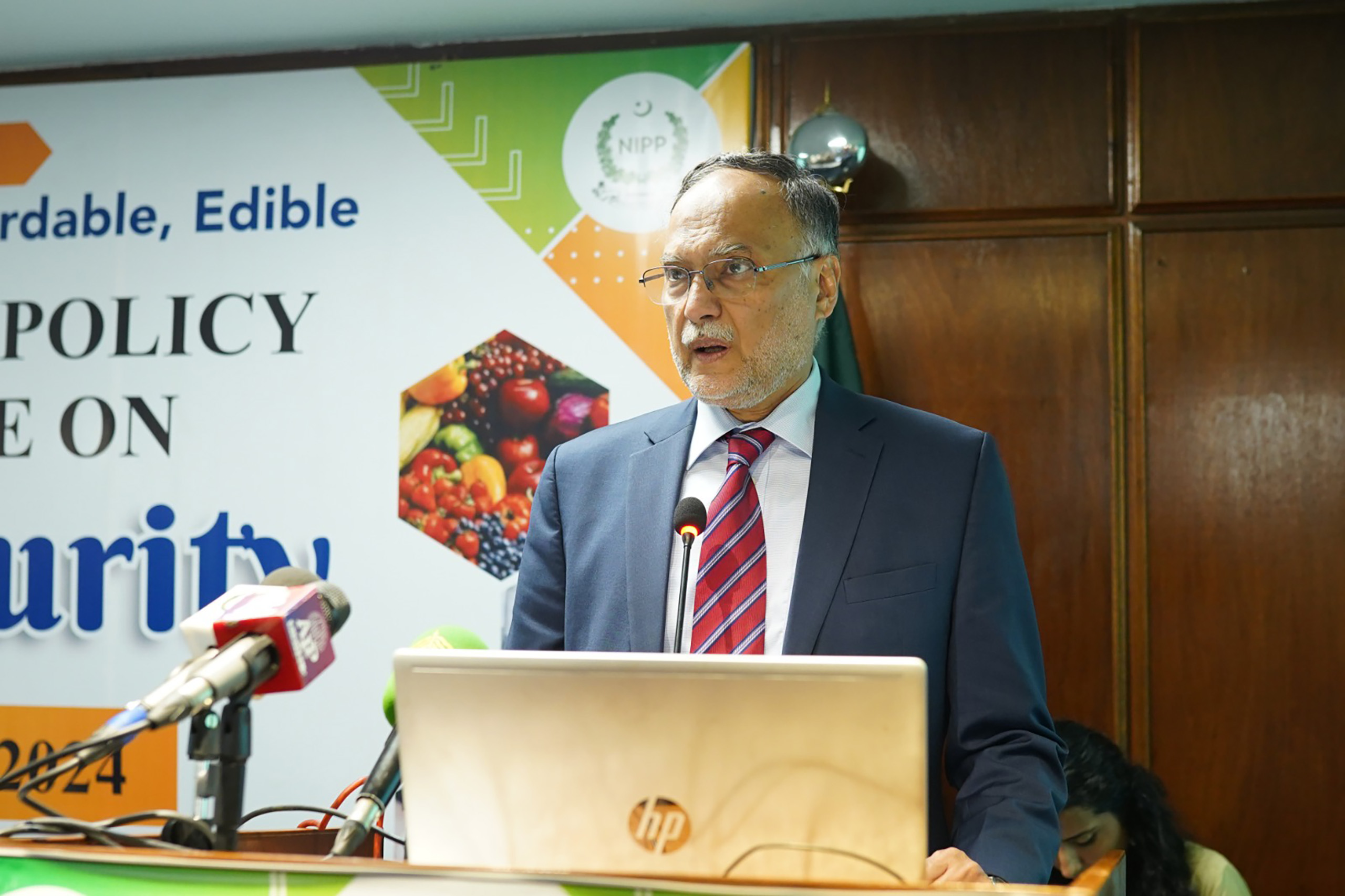
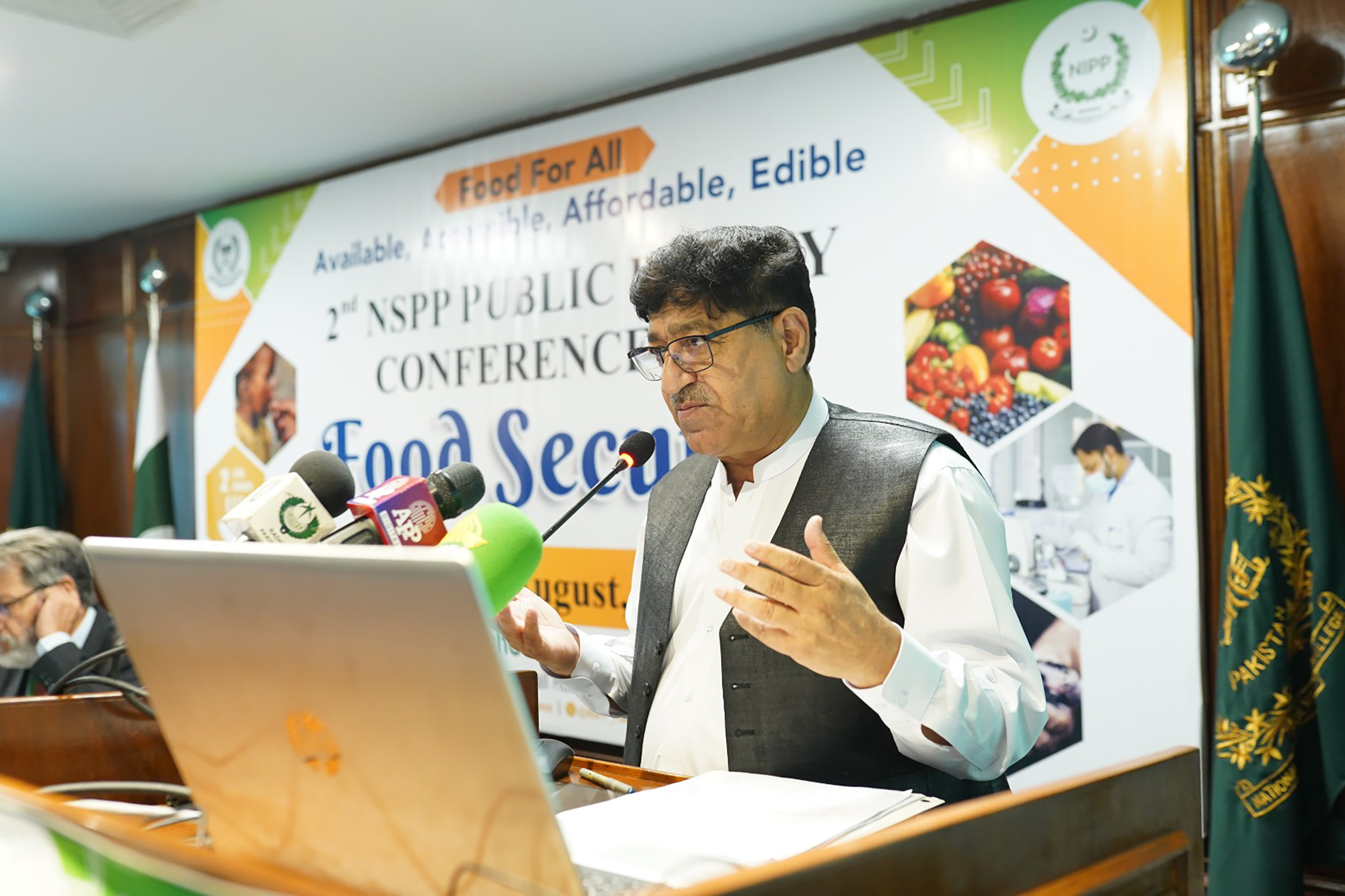
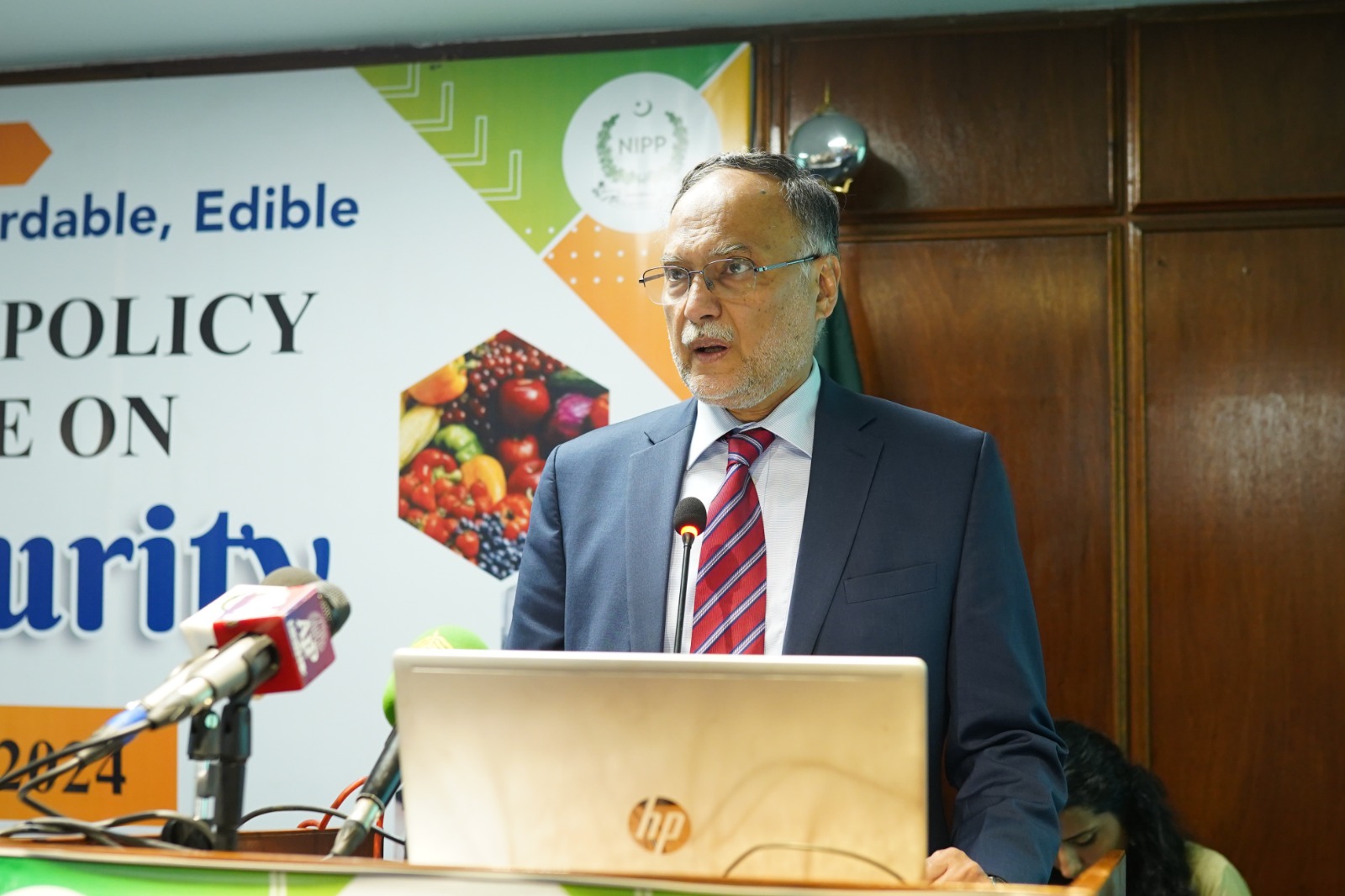
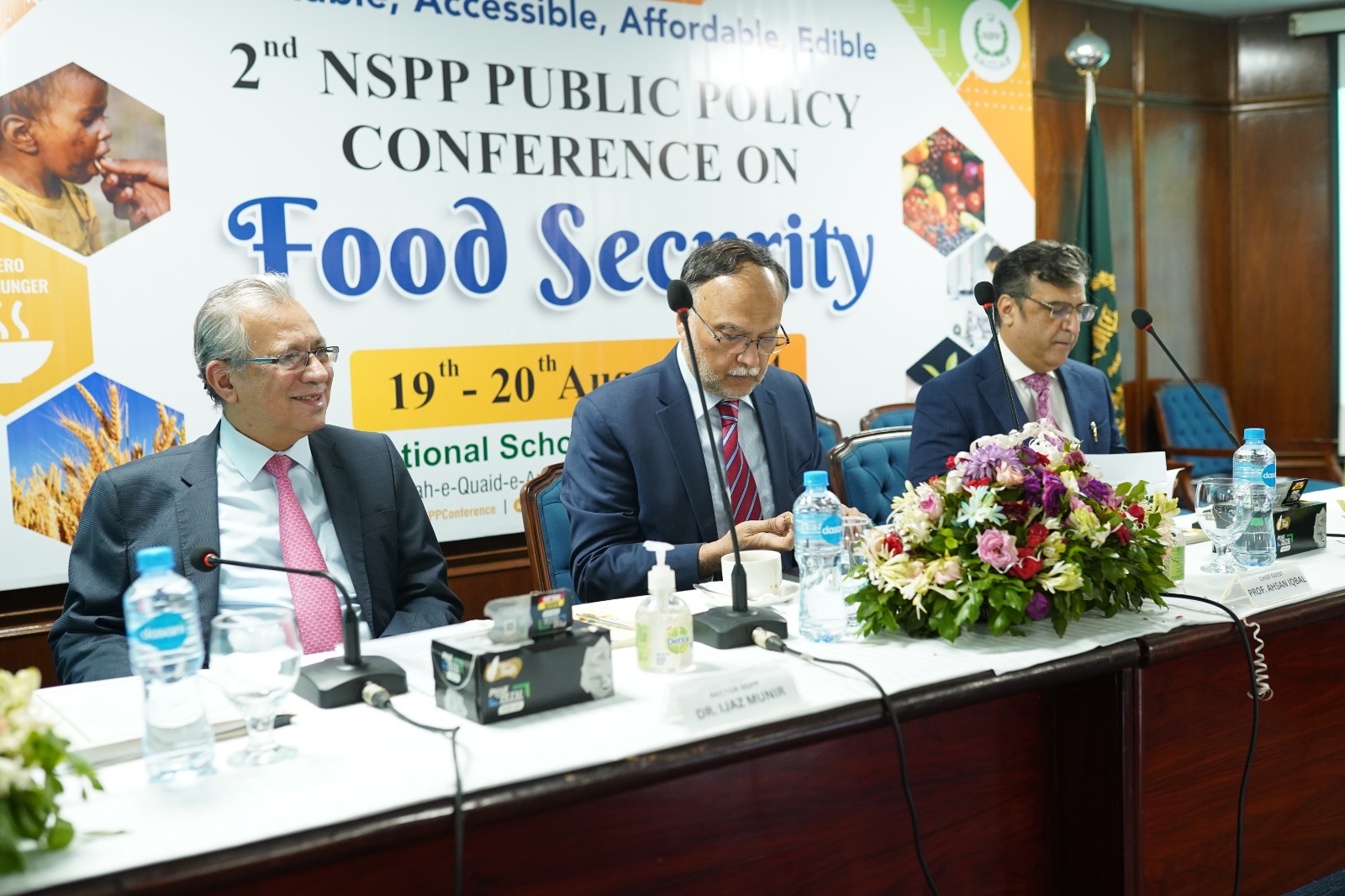
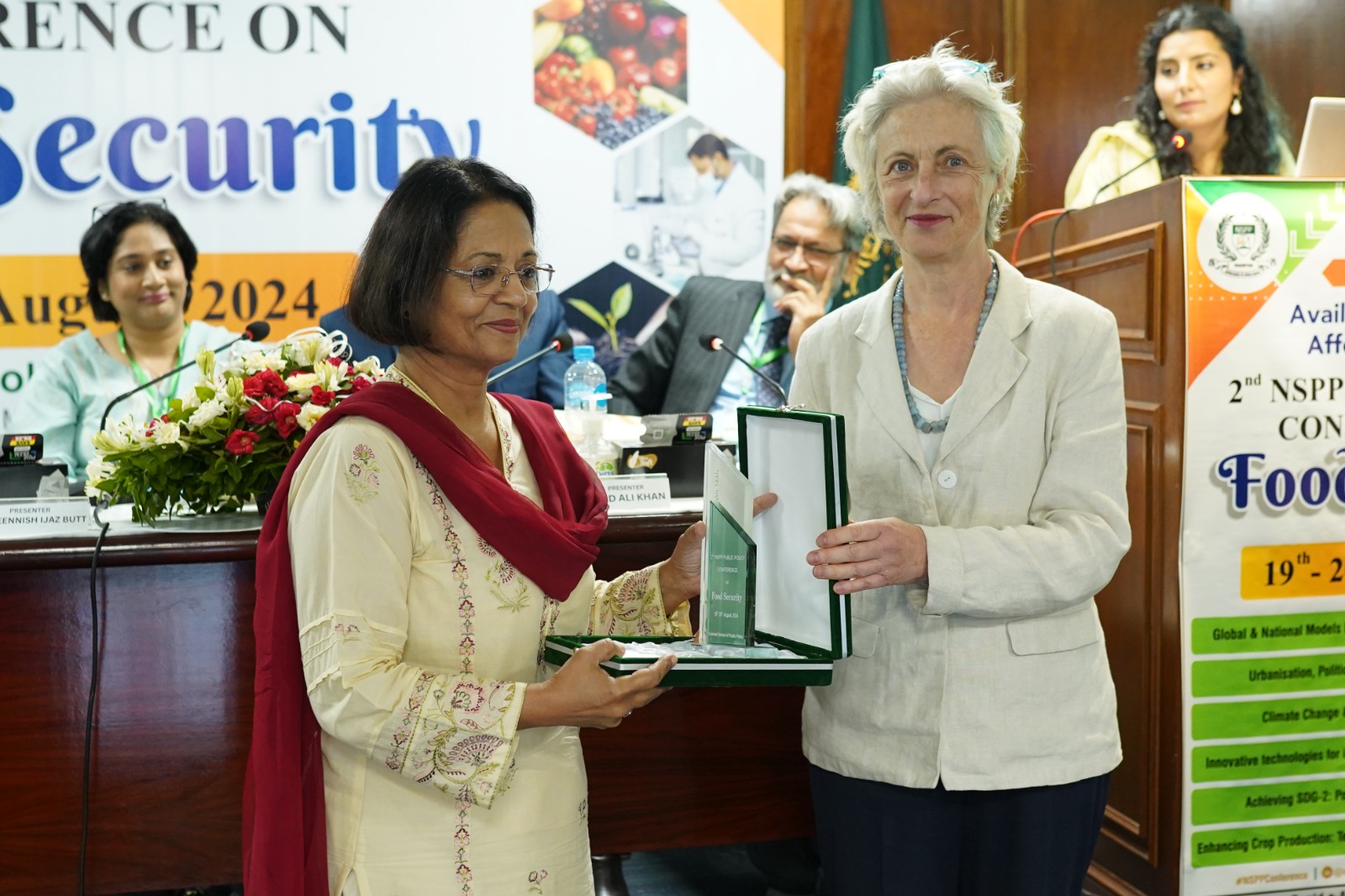
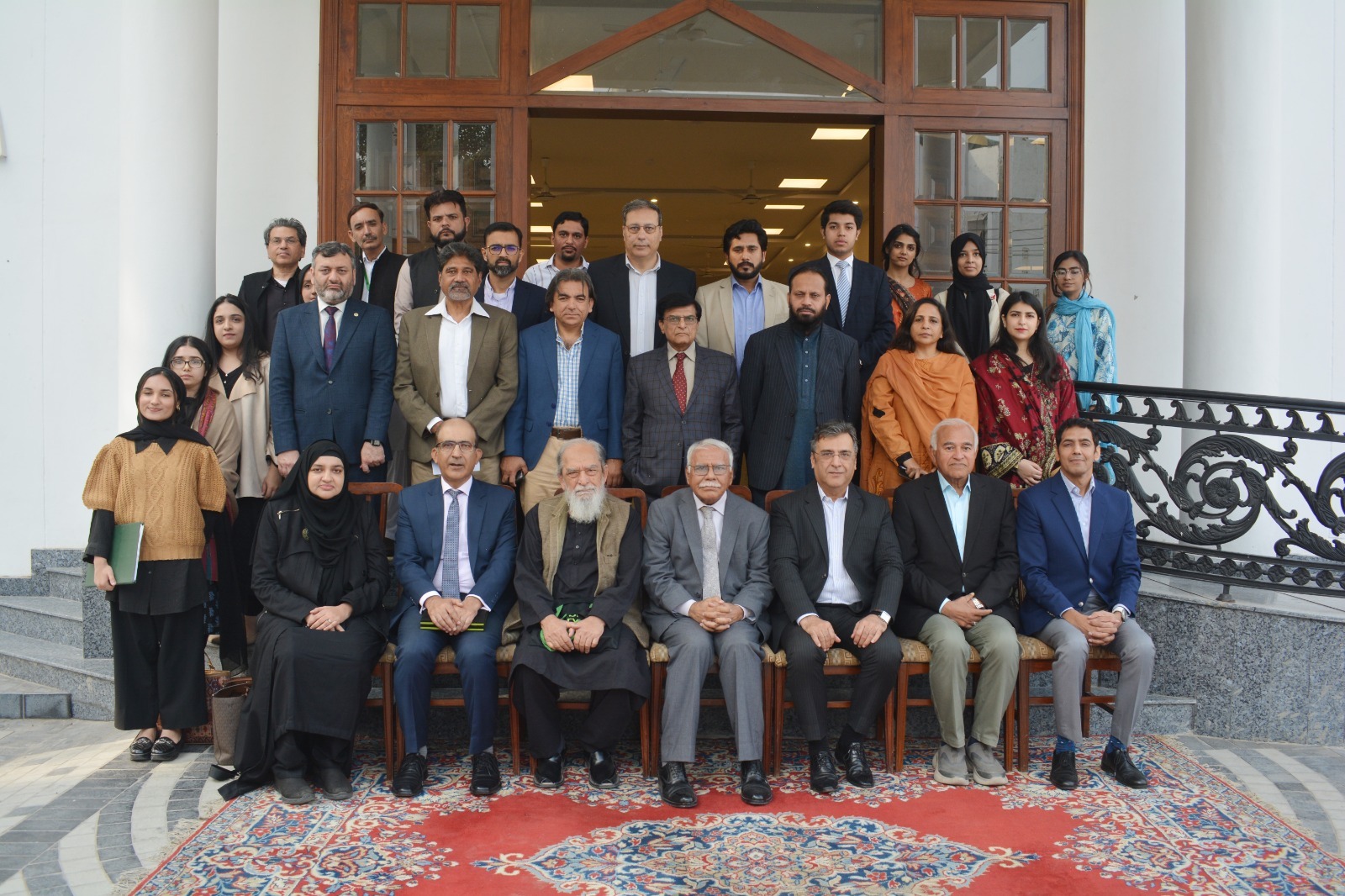
The conference was attended by Federal Minister for Planning & Development Ahsan Iqbal, Punjab Food Minister Bilal Yasin, Muhammad Zahir Shah KP Food Minister, Engineer Muhammad Anwar GB Food Minister, Chaudhry Akbar Ibrahim AJ&K Food Minister, Dean NIPP Dr. Naveed Elahi, Rector NSPP Dr. Ijaz Munir and Dr Ishrat Hussain. Researchers, scholars and officers from different federal and provincial departments also attended the conference.
The conference provided a platform for addressing the challenges of food security, including the impact of climate change, resource management as well as the role of technology in overcoming these challenges. Speakers discussed the severity of malnutrition, particularly among children, and emphasized on the need for immediate action. Local and international models were presented as potential solutions for eradicating malnutrition. The role of government initiatives was also discussed in ensuring the availability of quality food and protecting population from substandard products.
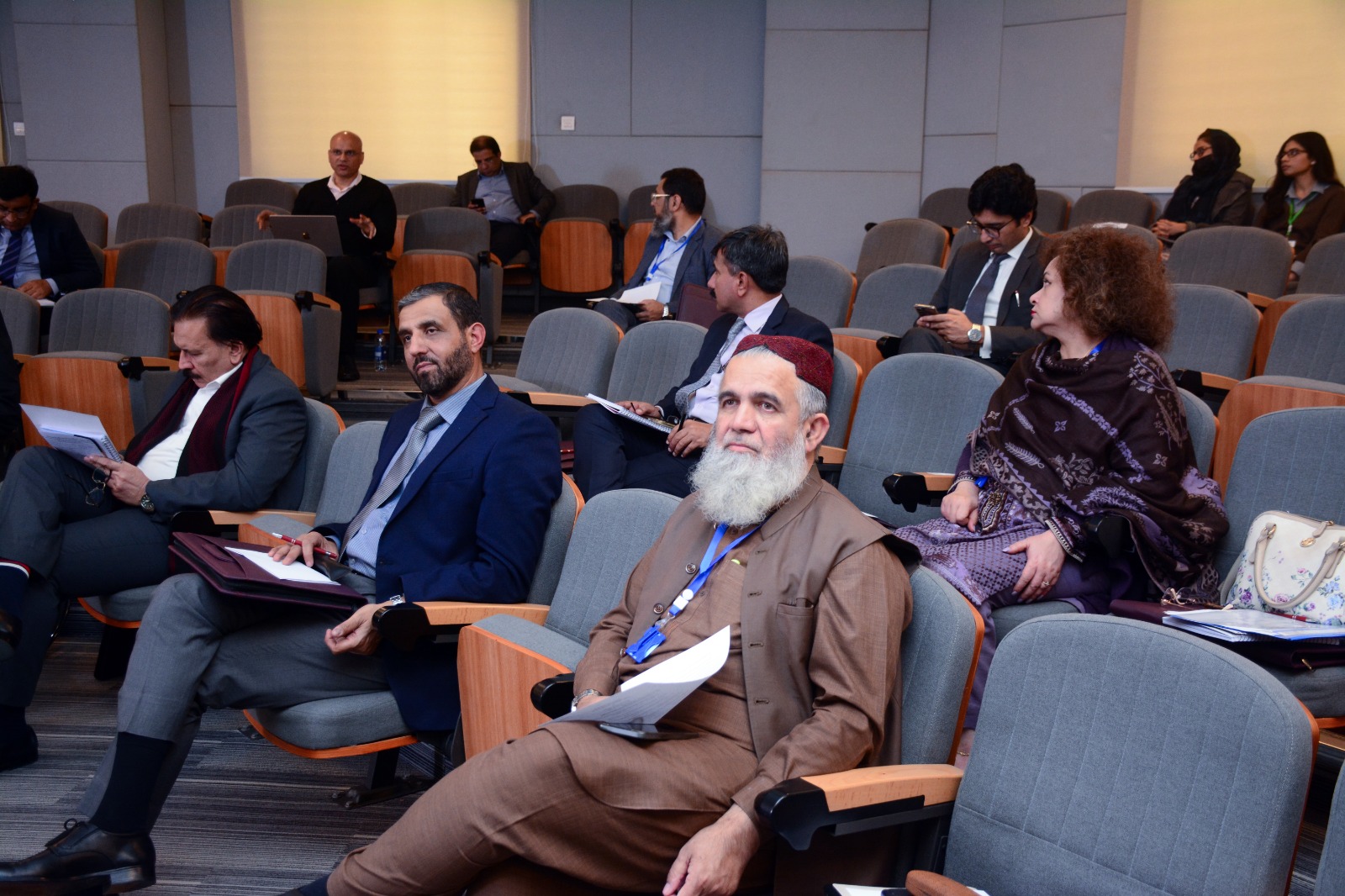
The conference contained presentations on cutting-edge research related to food security. The event featured a variety of sessions with experts from different fields, including agriculture, public health, and social sciences, who shared their insights and research. Research papers on topics such as the impact of water quality on food production, innovative agricultural practices, and the importance of local research in addressing food security challenges were presented. The final sessions focused on techniques to increase agricultural productivity, being most crucial for food security. Discussions revolved around implementing effective strategies to boost crop yields, manage resources efficiently, and adopt modern agricultural practices.
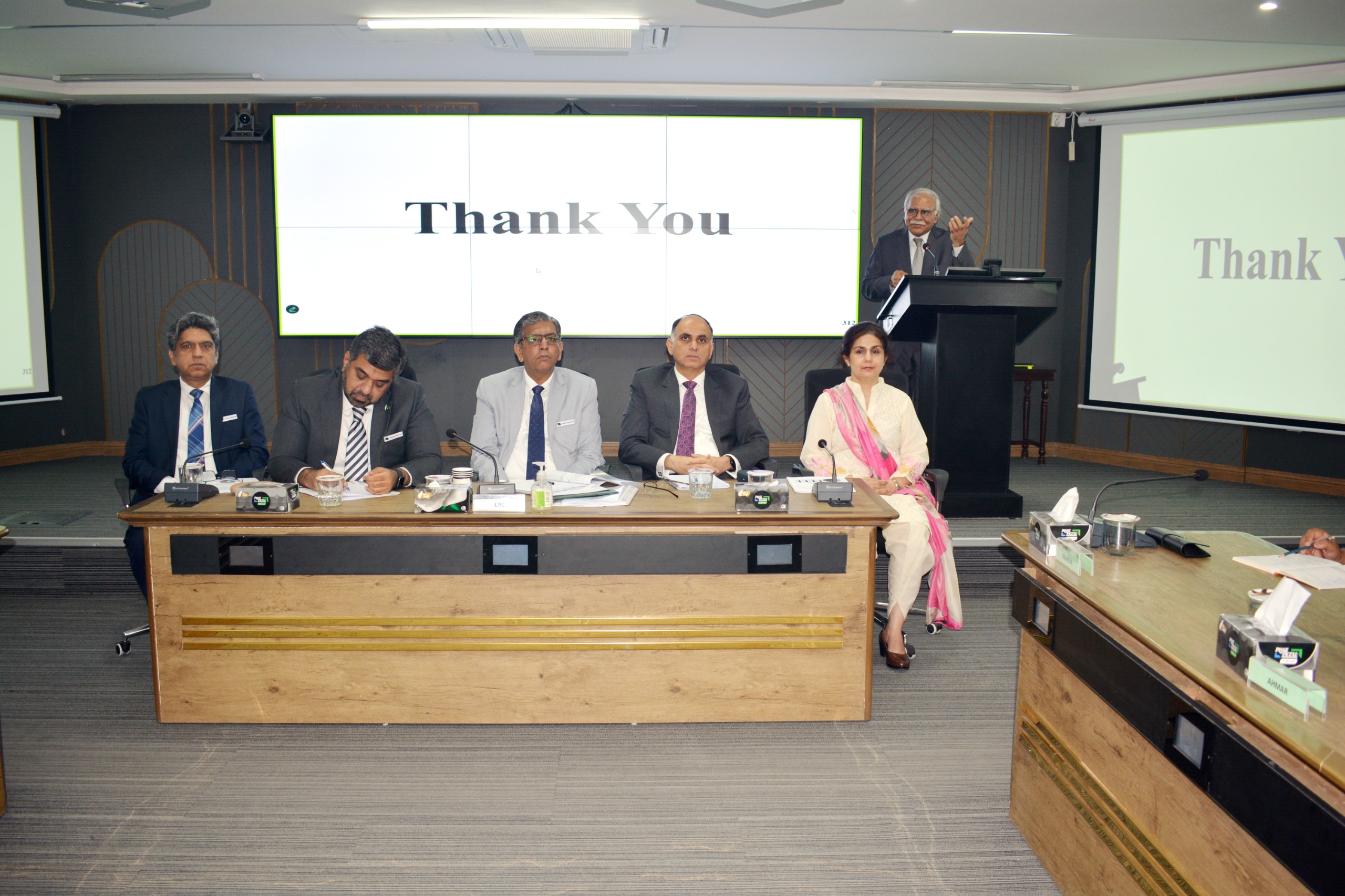
The conference concluded with a commitment to continue collaborative efforts in tackling food security issues. While addressing the conference in the inaugural session, Prof Ahsan Iqbal urged a shift from theoretical discussions to practical implementation of knowledge, drawing inspiration from individuals like Arshad Nadeem, who had achieved great success despite humble beginnings. He also called for collective thinking and overcoming small conflicts for the larger good, stressing that the future of Pakistan, celebrating its centenary in 2047, depended on current actions.
While addressing the conference, Punjab Food Minister Bilal Yasin stated that despite being among the world’s top 10 agricultural countries, unfortunately, more than 40 percent children and pregnant women suffer from malnutrition. He highlighted the special initiatives of the Punjab government and explained role of Punjab Food Authority in protecting the people of Punjab from substandard food and to ensure the supply of quality food. Bilal Yasin said that the Food Authority has established itself in a short time and demonstrated excellent performance. He further stated that the noose around the adulteration mafia has been tightened; in last five months, some 400,000 inspections have been conducted, and 700,000 liters of adulterated milk has been destroyed. Dr Ishrat Hussain emphasized on the importance of post conference follow up for the incorporation of strategies and solutions that emerged during the two-days intellectual discourse into policies. He reiterated that real impact of the conference will come if the suggestions are conveyed to relevant policy makers.