

Sahibzada Mohammad Shahzad Sultan
The ultimate promise of a civil servant’s life lies not solely in pursuing personal career advancement but also in possessing a conscience—a habit of self-reflection about one’s duties and obligations to society and a continuous striving to fulfill them. Therefore, rather than functioning solely as traditional trainers focused on imparting standard skills, our aim is to nurture a holistic personality capable of integrating skills and competencies within a constructive outlook dedicated to serving society. At PASC, our mission is to mentor civil servants who are globally competitive, culturally grounded, ethically fortified, and temperamentally compassionate and service-oriented. We uphold core values of credibility, empathy, rigor, and evidence-based learning, to anchor our work. We aim to make our participants’ time at PASC a meaningful and enriching experience. Join us on a voyage to self- discovery through knowledge.
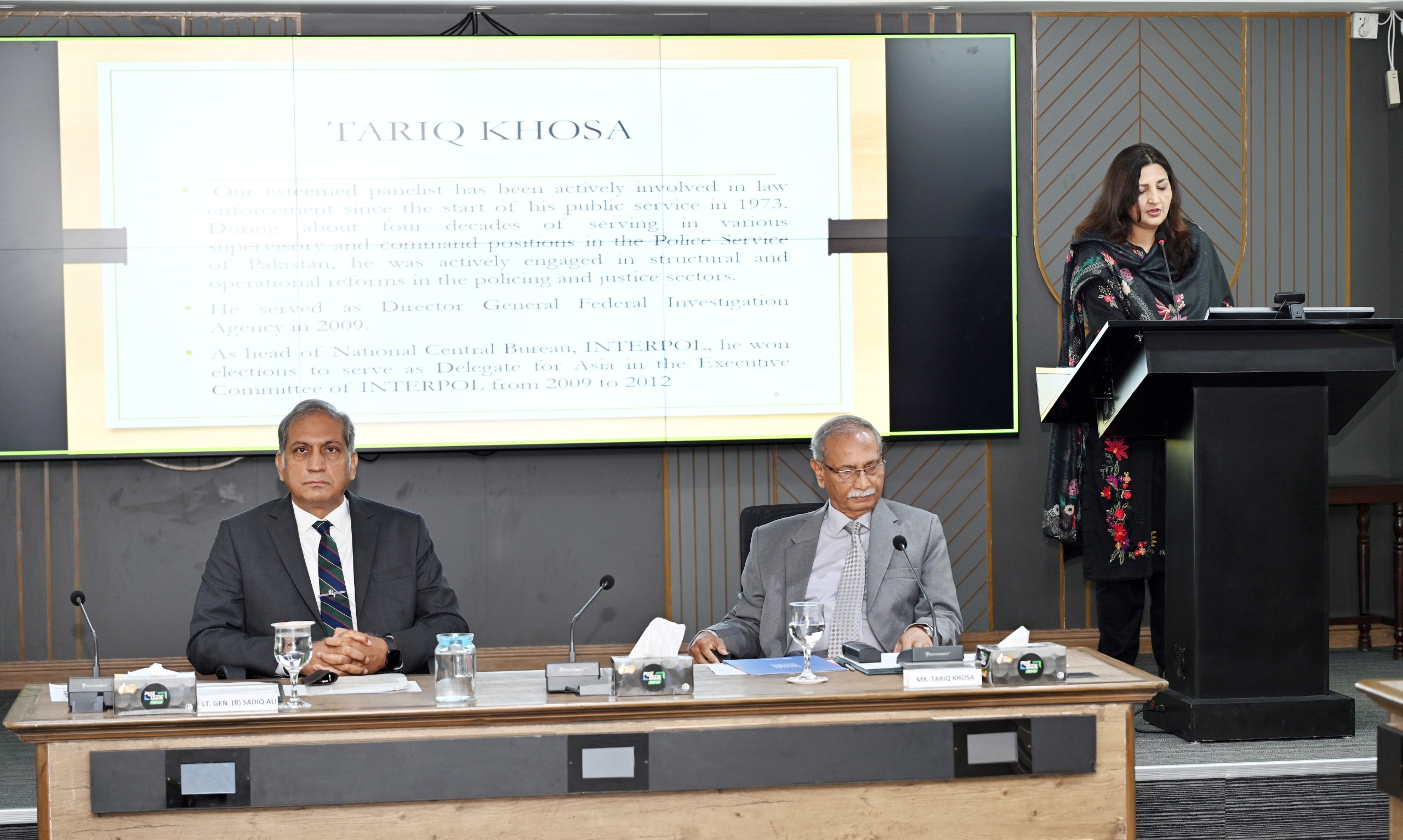
A panel discussion on ‘Imperatives of National Security’ was held on Thursday, 17th September, 2026 in NMC-125. The distinguished panelists were Mr. Tariq Khosa and Lt. Gen (R) Sadiq Ali. The speakers threw light on efforts made by the government and discussed how to develop a holistic paradigm to address national security concern. Internal and…


A lecture discussion on “Critical Analysis of Education Policies and System” was conducted by Mr. Waseem Ajmal Chaudhary on Monday, 24th August 2026, in NMC 125. In his talk, he deliberated upon an overview of the education system in Pakistan, federal and provincial mandates and policies, key challenges facing the education sector, and future visions…
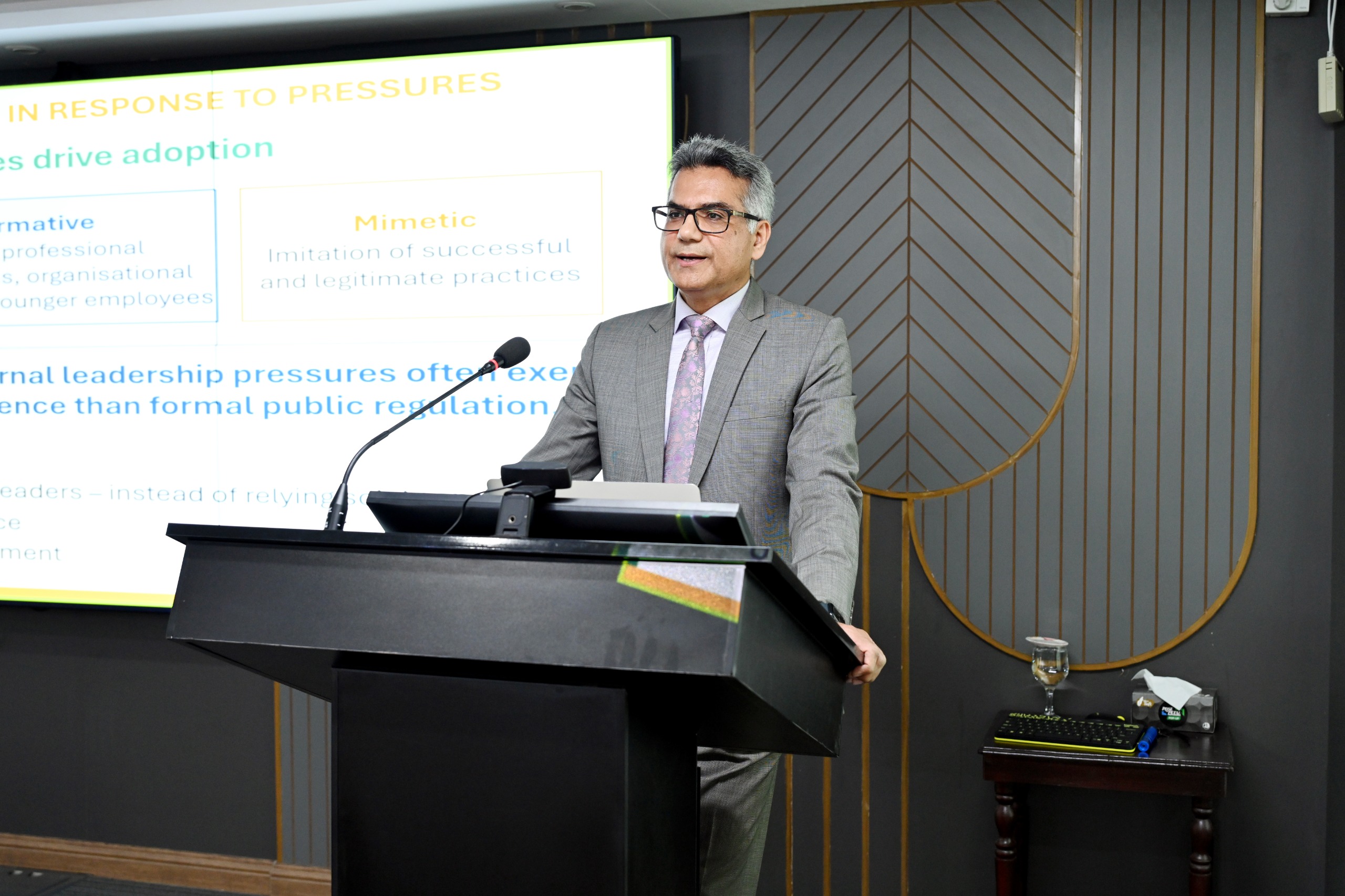
Mr. Abdul Aziz Uqaili delivered a lecture on “Adoption and Effectiveness of Sustainable Development Goals” to the participants of 125th National Management Course (NMC) at Pakistan Administrative Staff College (PASC), National School of Public Policy (NSPP) on 11th August, 2026. During the session, the Guest Speaker highlighted the critical challenge of translating global SDG commitments…

A lecture discussion on ‘Rule of Law’ was conducted by Mr. Zulfiqar Cheema on Tuesday, 28th July 2026, in NMC 125.In his talk, he deliberated upon the concept and importance of the Rule of Law, emphasizing the mechanisms and institutions that ensure equality of all citizens before the law. He highlighted the significance of a…
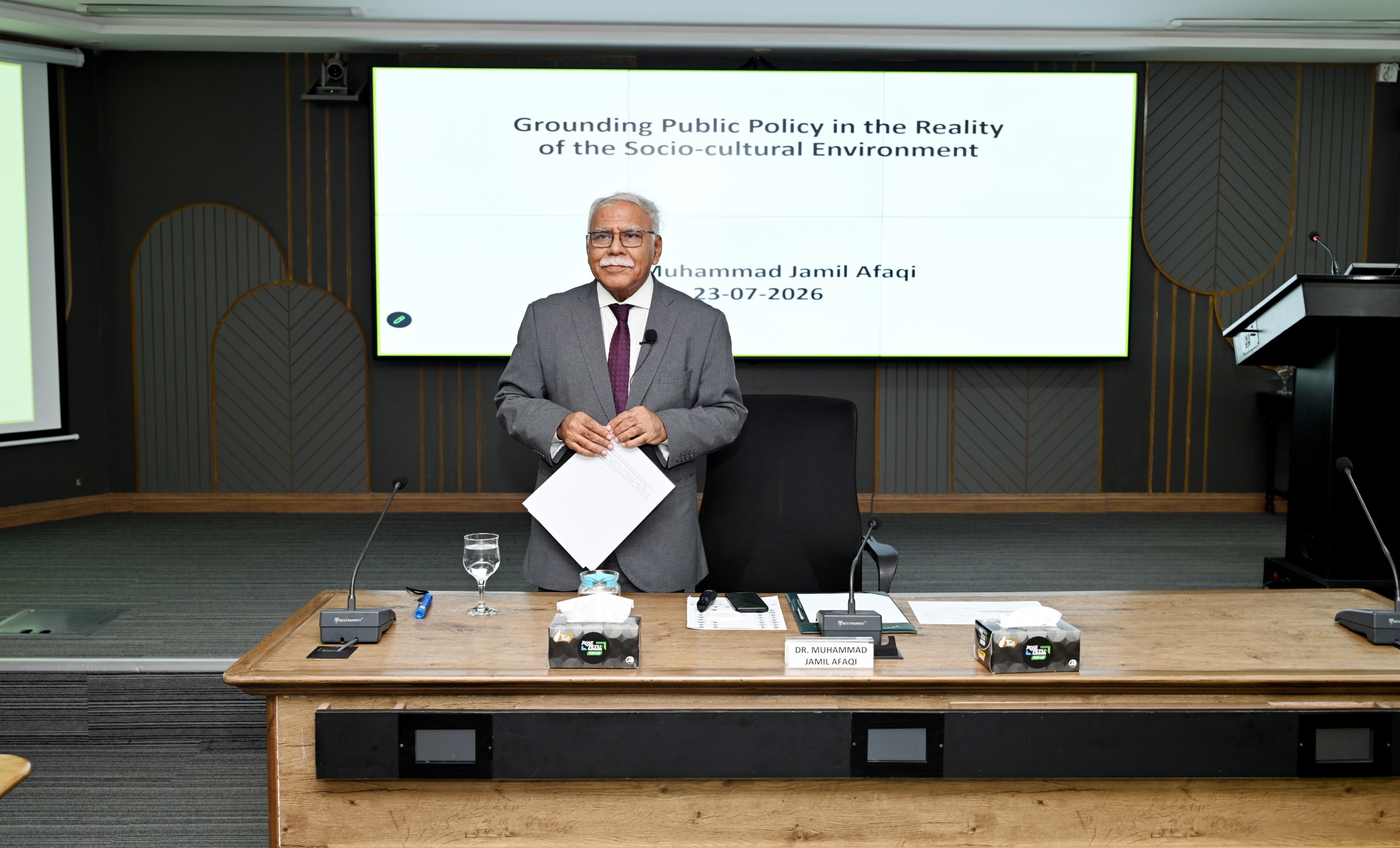
Lecture Discussion on “Grounding Public Policy in the Socio-Cultural Environment” was conducted by Mr. Muhammad Jamil Afaqi on Thursday, 23rd July 2026, in NMC 125. During his talk, he elaborated on the socio-cultural environment of Pakistan and its influence on public policy formulation and implementation. He discussed the cultural ecology of public institutions, highlighting how…

A lecture discussion on “Legal & Constitutional Framework for Bureaucracy” was conducted by Barrister Shahid Hamid at NMC 125 on Wednesday, 22 July 2026. During his lecture, Barrister Shahid Hamid discussed the constitutional foundations and role of the bureaucracy in Pakistan’s governance structure. He elaborated on relevant case law, writ jurisdiction, and the concept of…
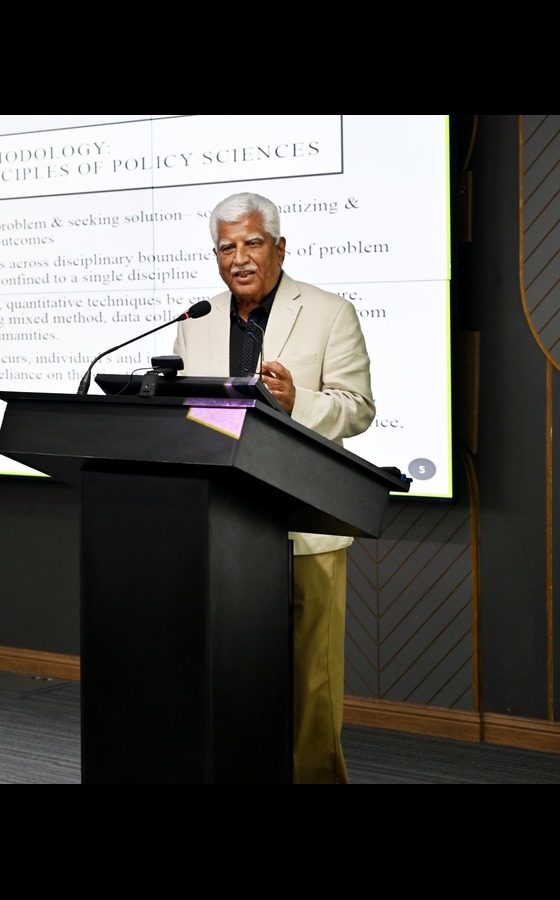
Lecture Discussion on ‘Principles and Methodology of Public Policy Formulation’ was conducted by Dr. Saeed Shafqat on Tuesday 21st July 2026 in NMC 125. In his talk, he deliberated upon the sources of public policy, basic framework and Models of public Policy, agenda setting, policy formulation, implementation and evaluation.
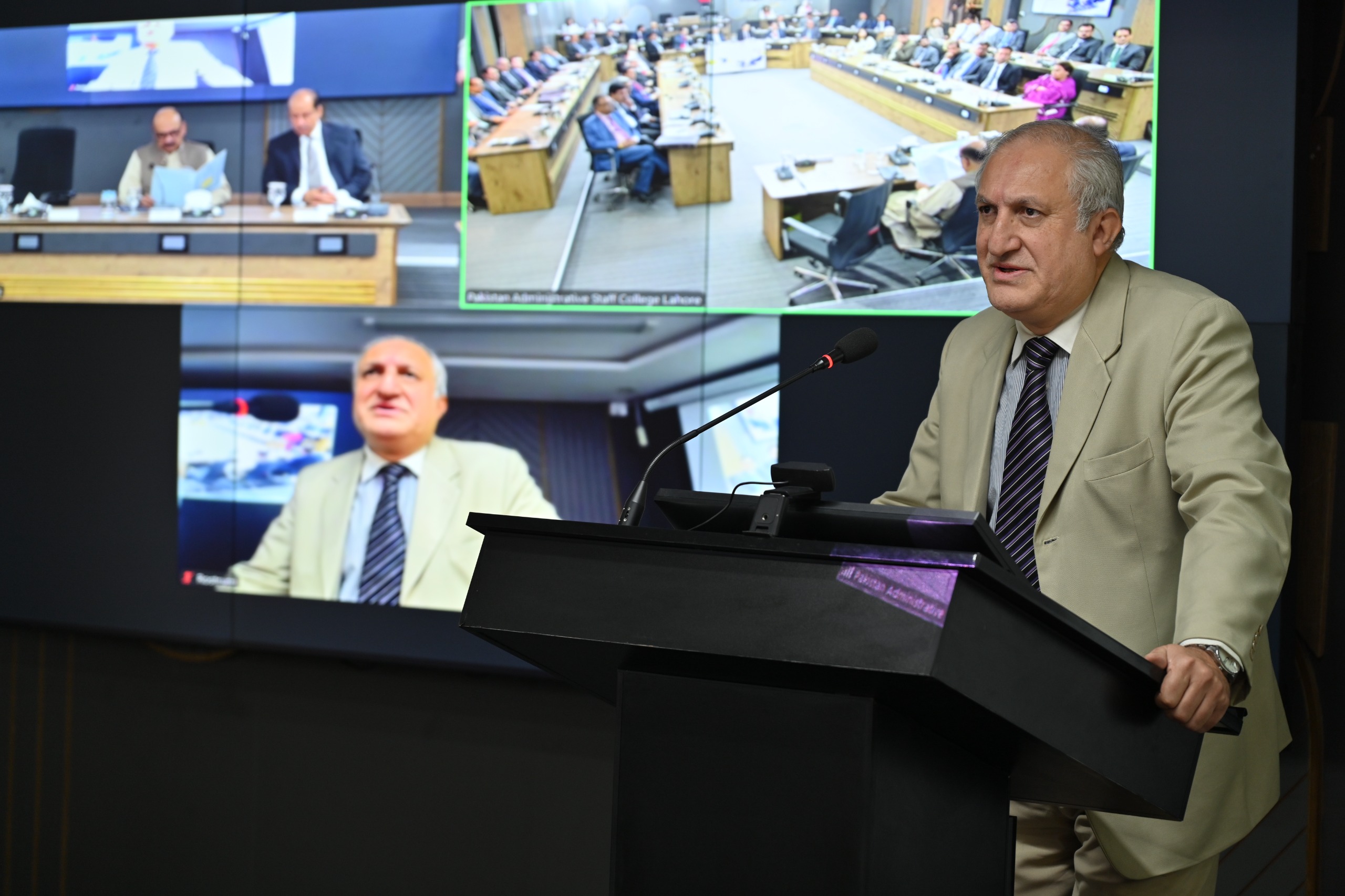
On 6th July 2026, the Pakistan Administrative Staff College (PASC) welcomed a new batch of officers at the Inaugural Ceremony of 125th National Management Course (NMC-125). In his Inaugural Address, the Chief Guest, Barrister Nabeel A. Awan, Secretary Establishment Division, apprised the participant officers about the ongoing reforms in the HR and training function of…
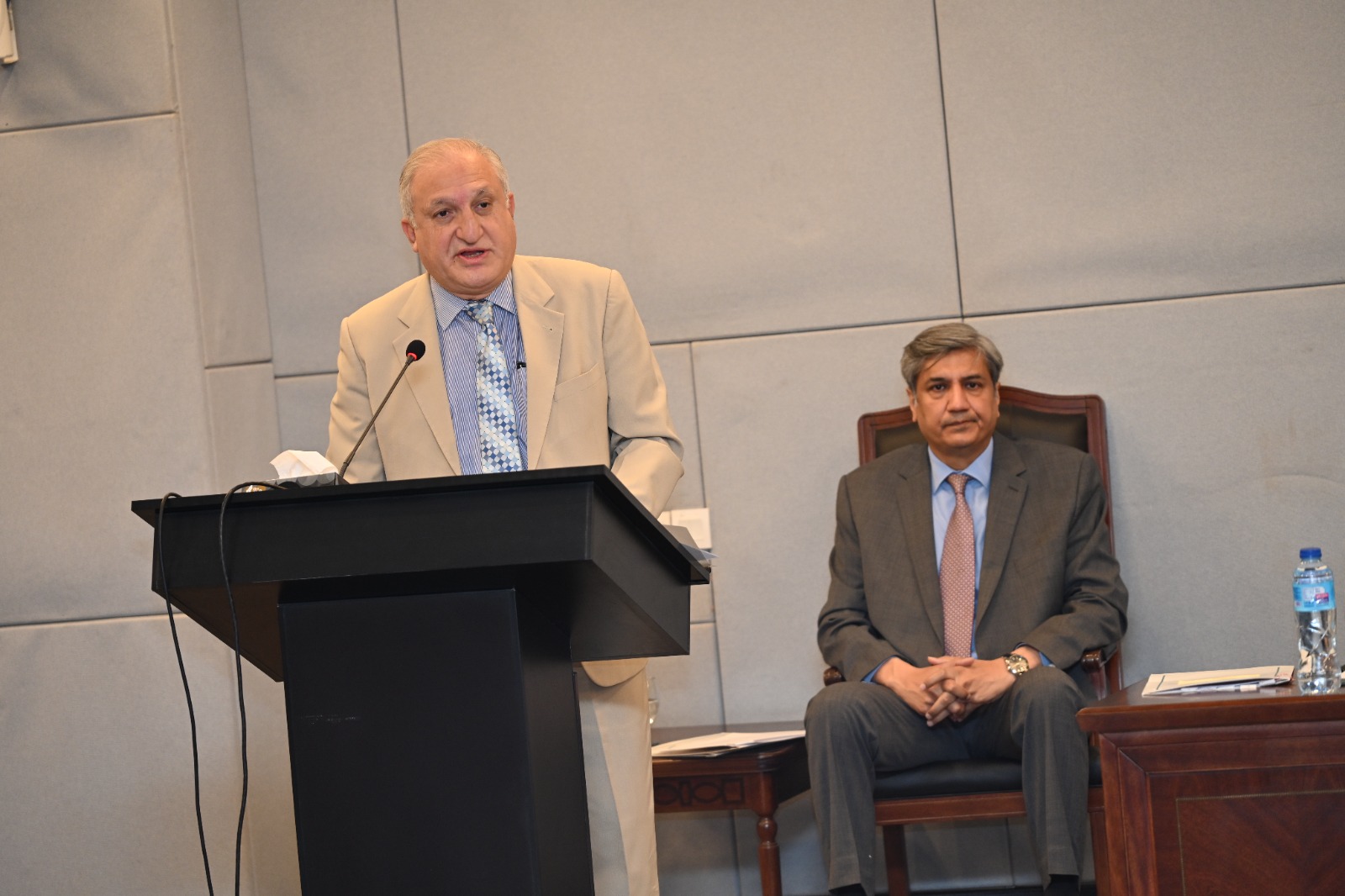
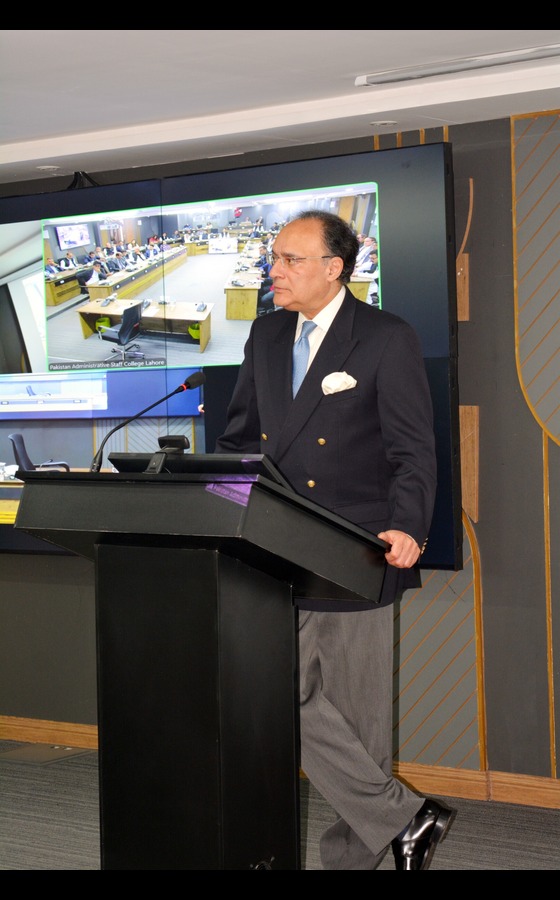
Senator Muhammad Aurangzeb, Minister for Finance and Revenue arrived at Pakistan Administrative Staff College, Lahore on 13th February 2026 to engage in Strategic Policy Dialogue with participants of 124th National Management Course. During a highly interactive session, the Minister emphasized that his vision for financial health of the country is based on three strategic policy…

On 5th January, 2026, the Pakistan Administrative Staff College (PASC) welcomed a new batch of officers at the Inaugural Ceremony of 124th National Management Course (NMC-124). Mr. Nabeel Awan, Secretary Establishment was the Chief Guest at the ceremony. In his Inaugural Address, Mr. Nabeel Awan appraised the participant officers about the ongoing reforms in the…