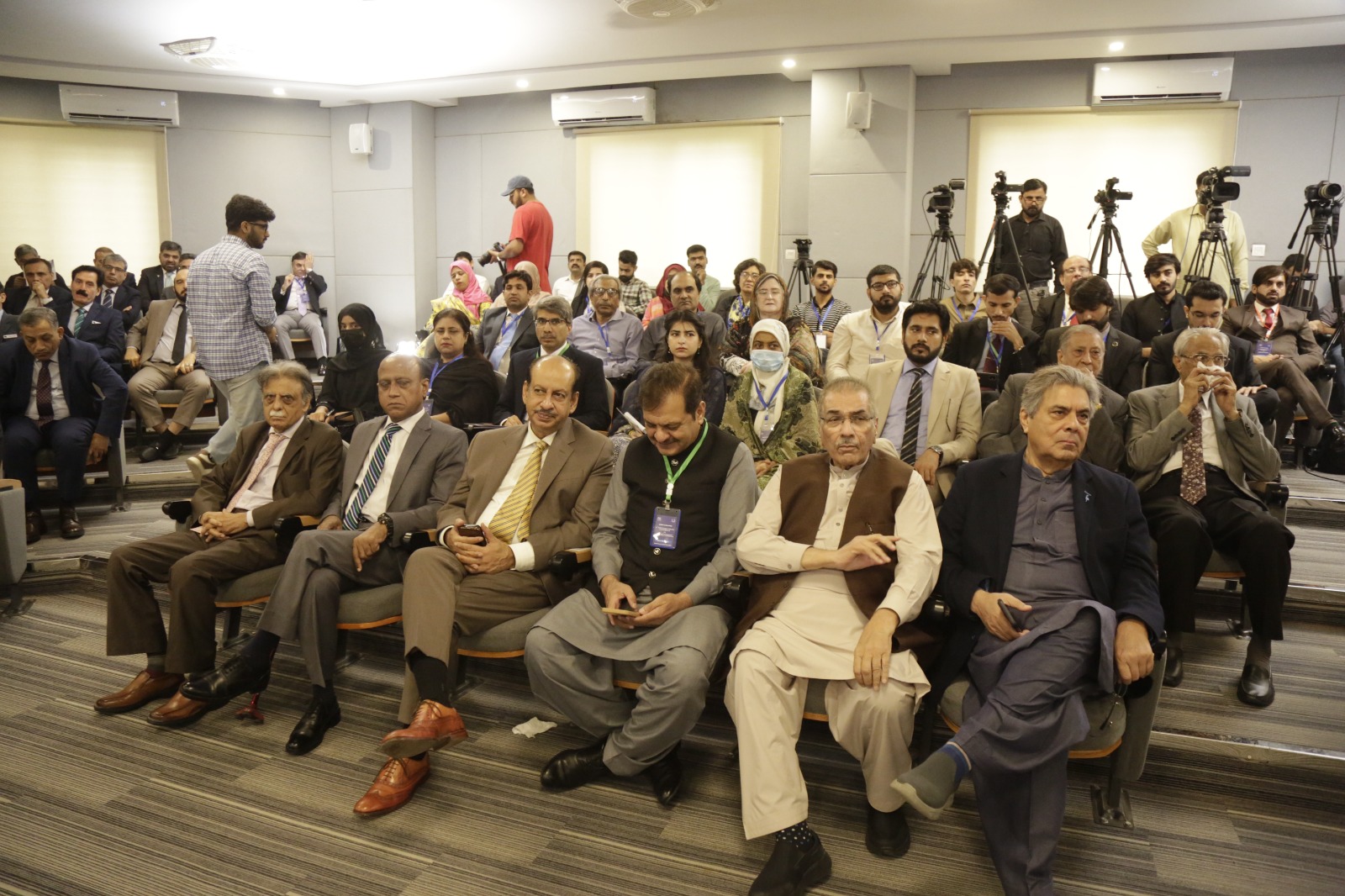
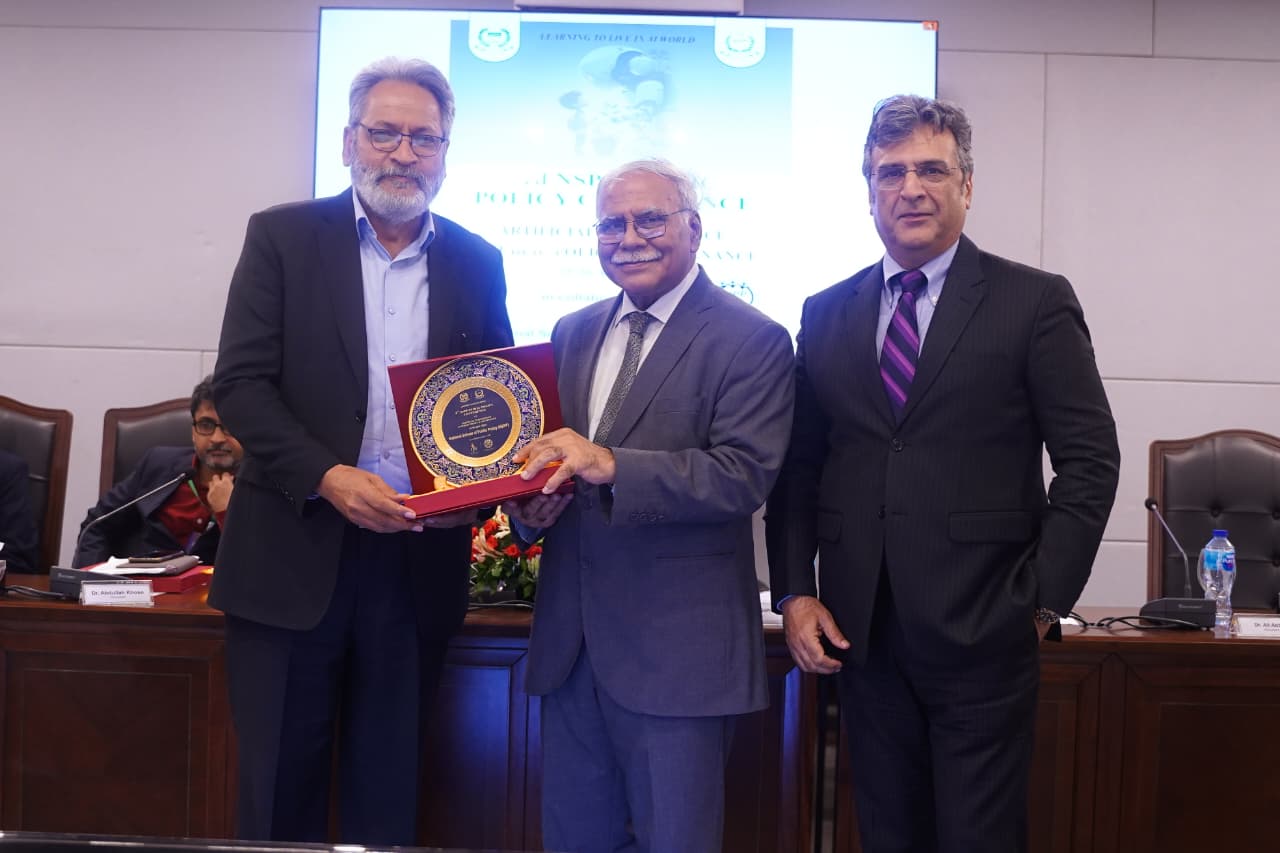
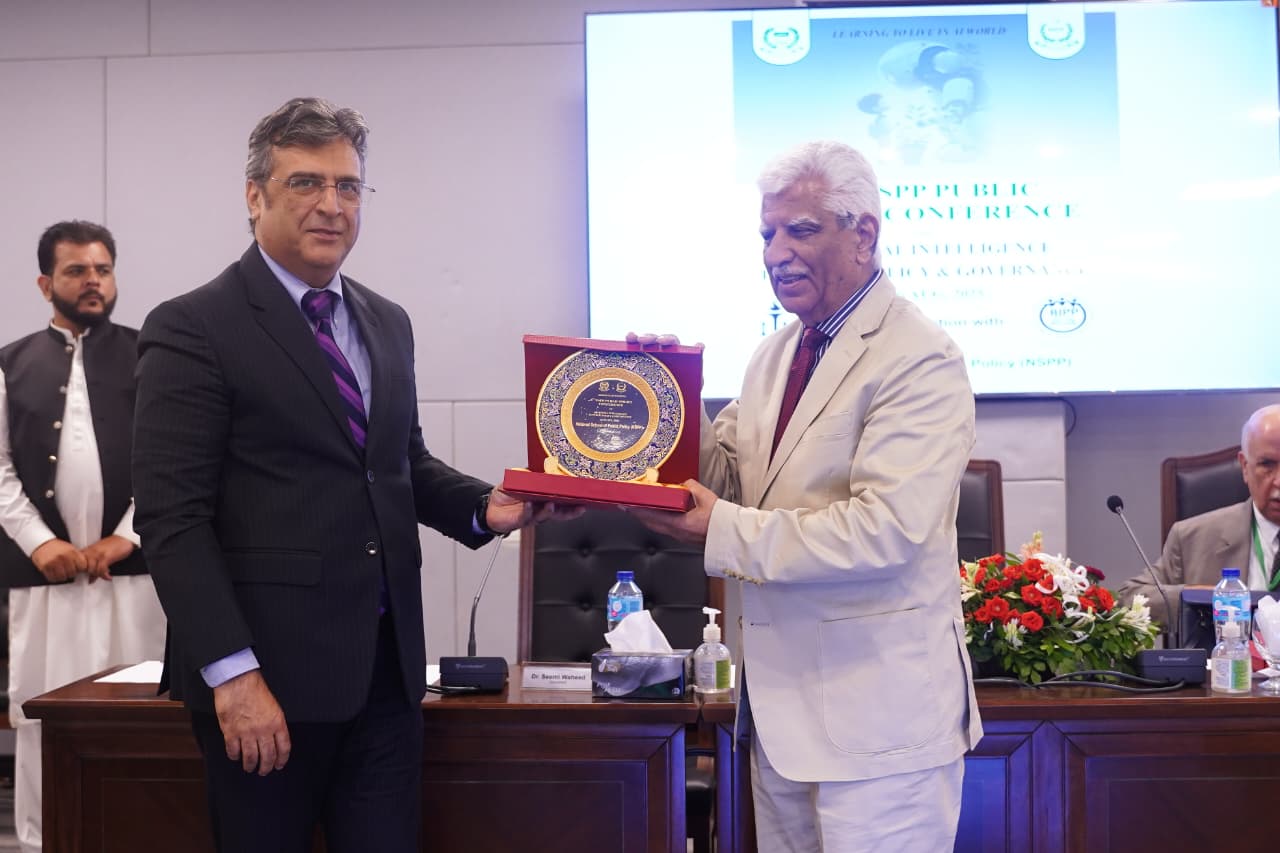
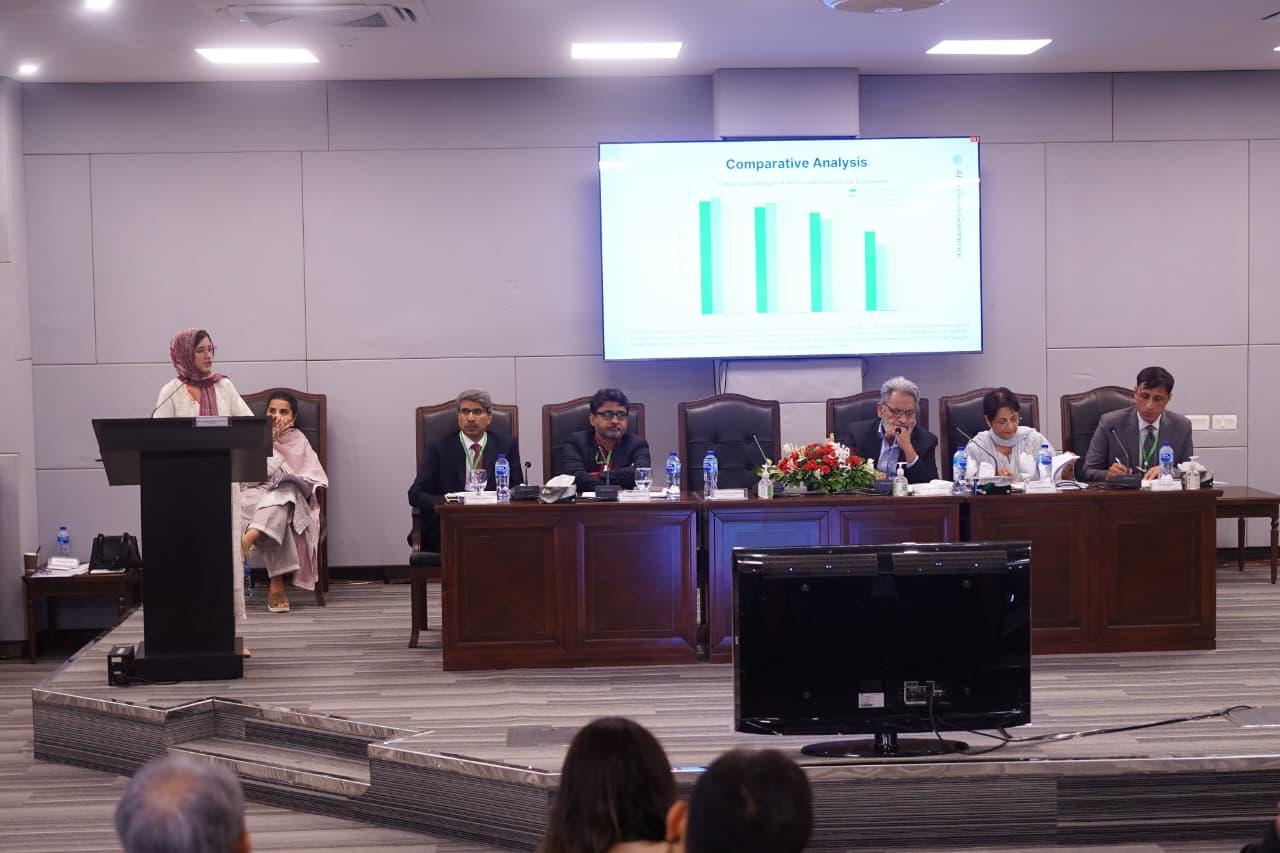
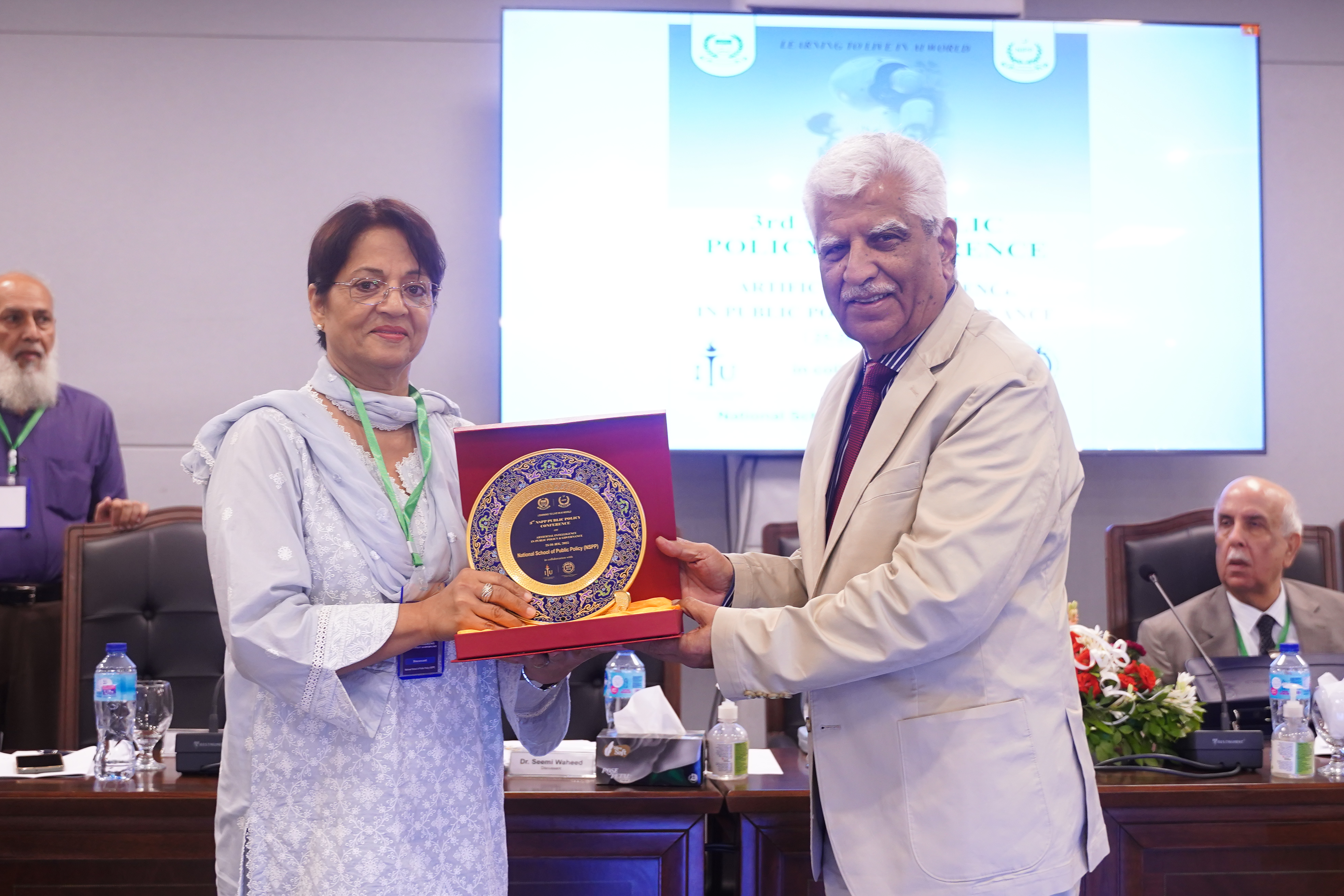
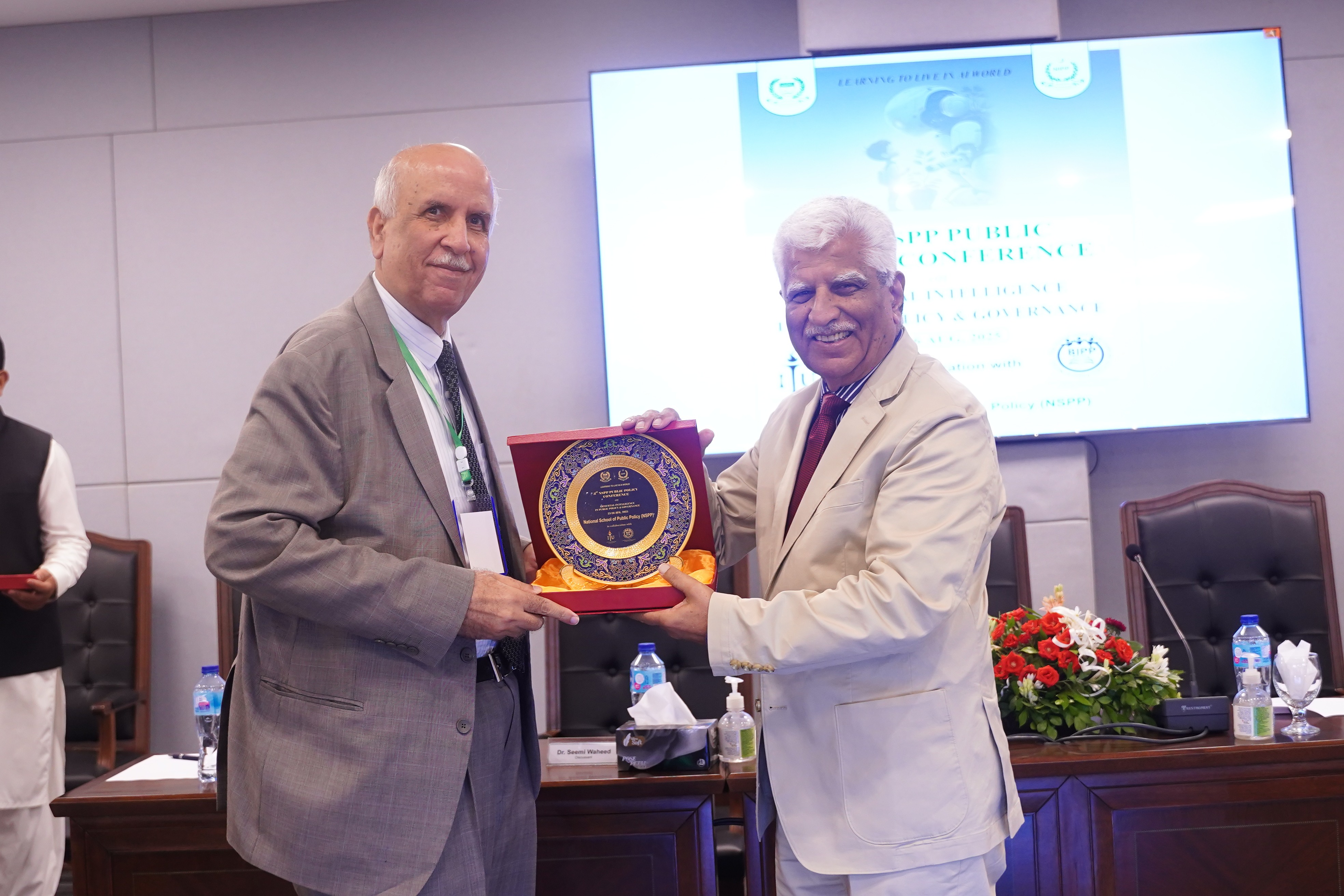
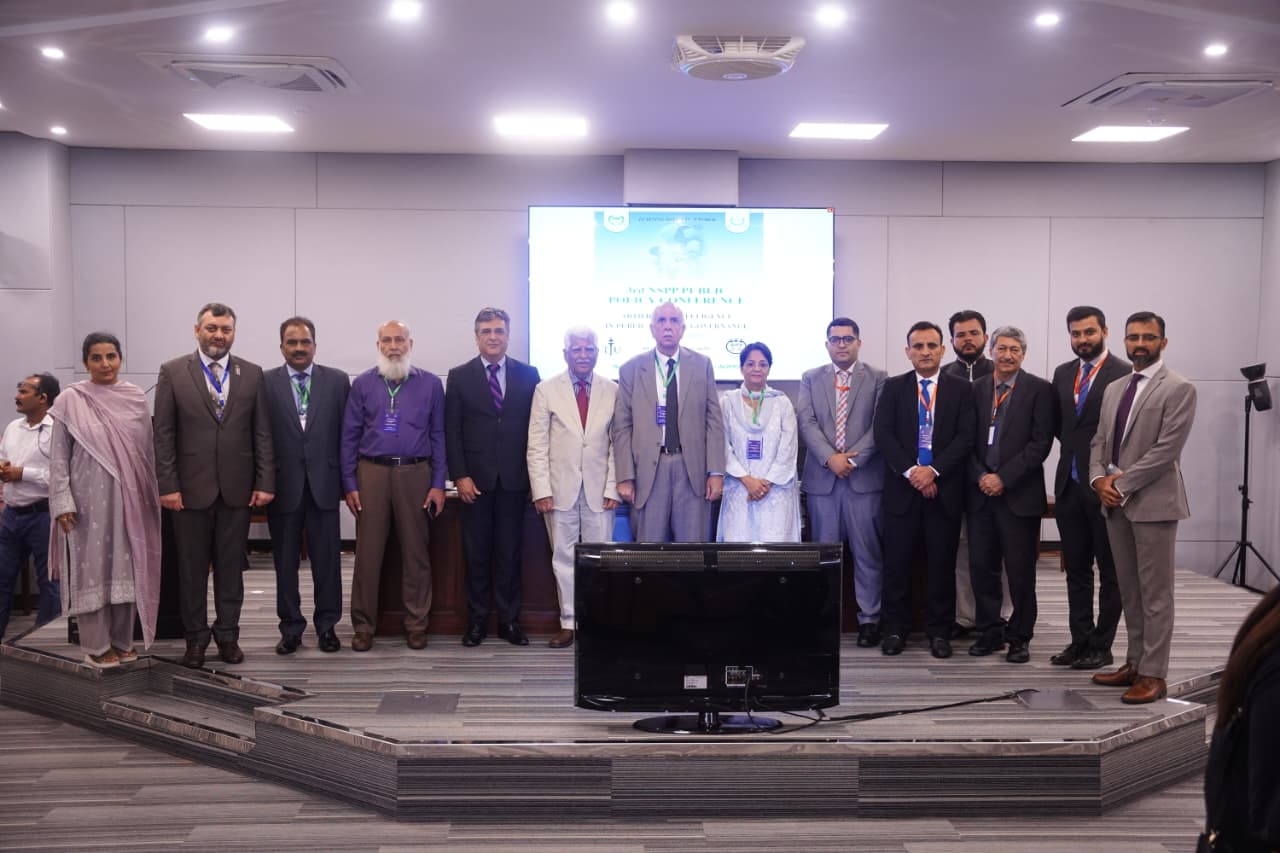
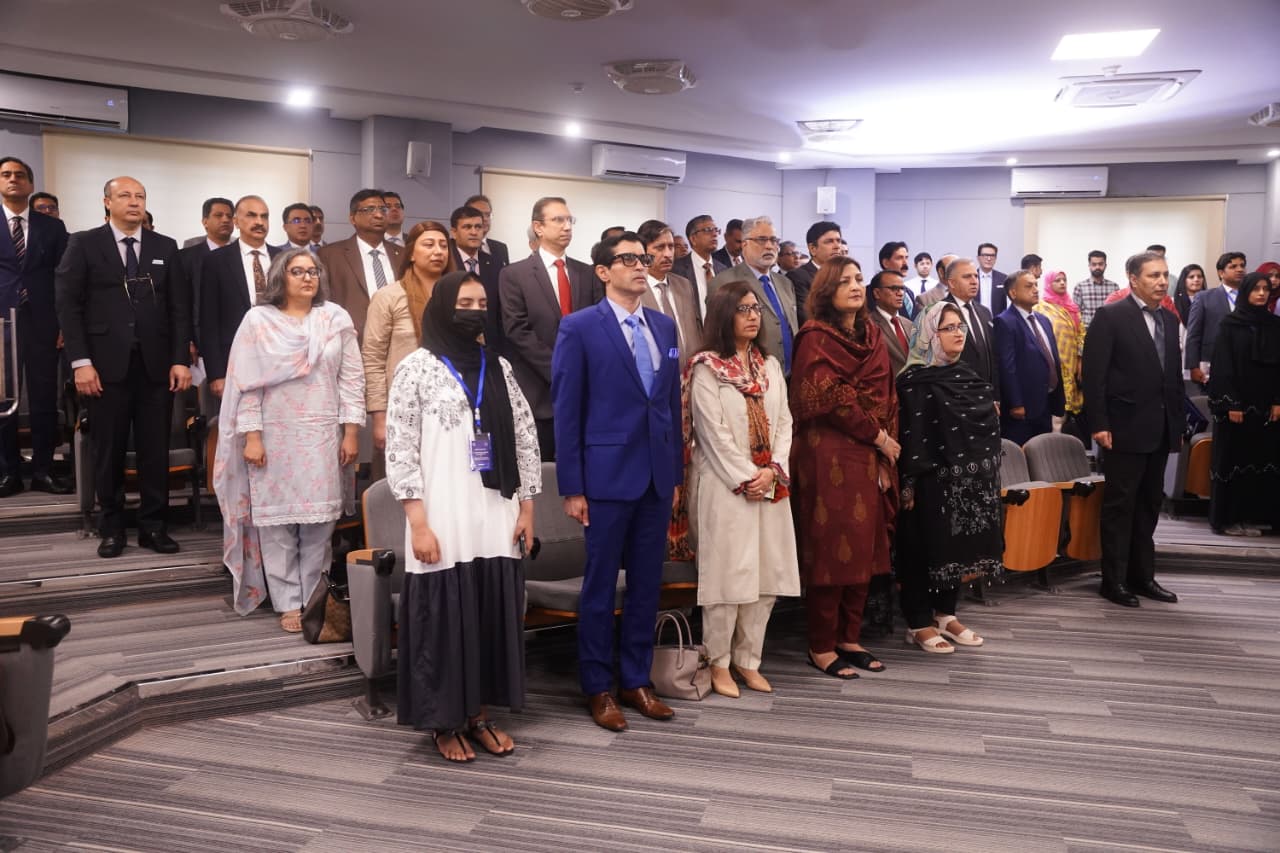
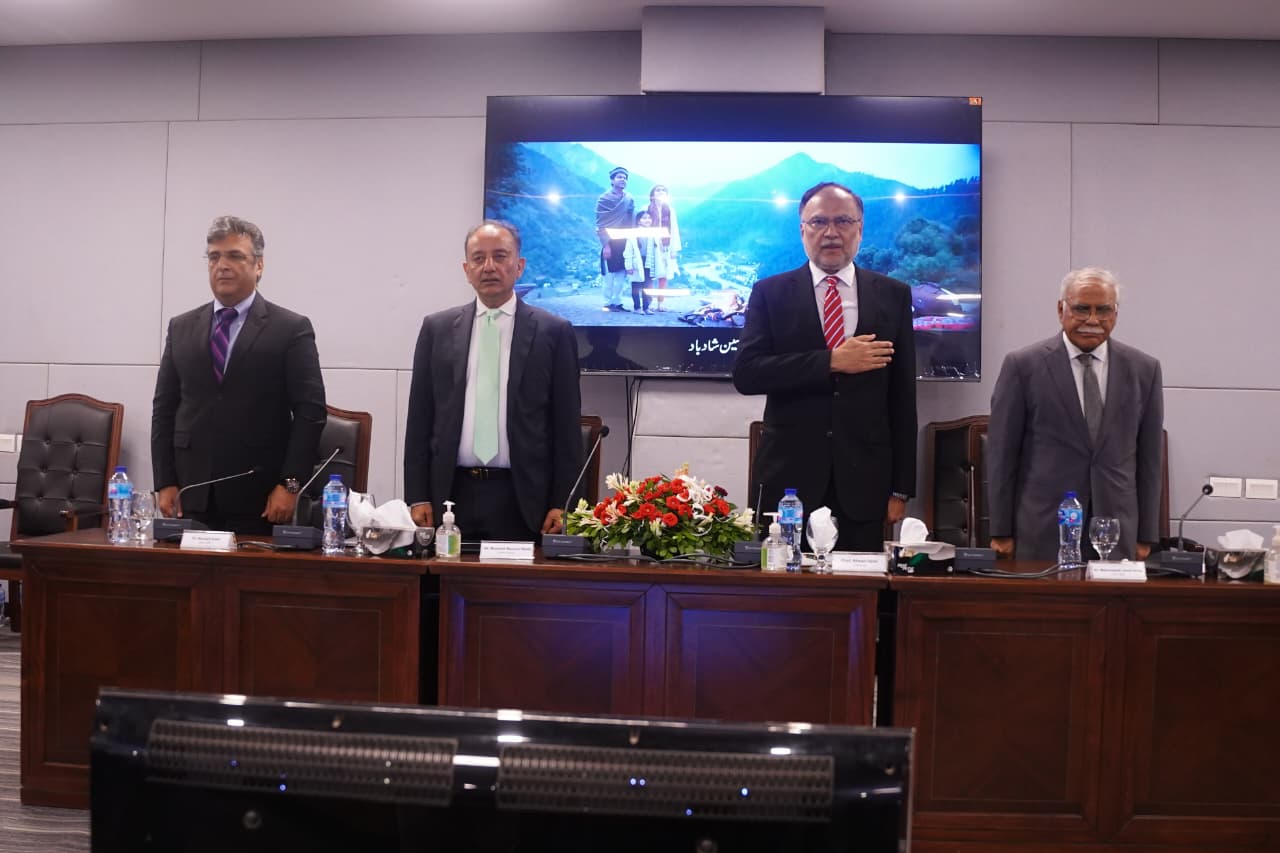
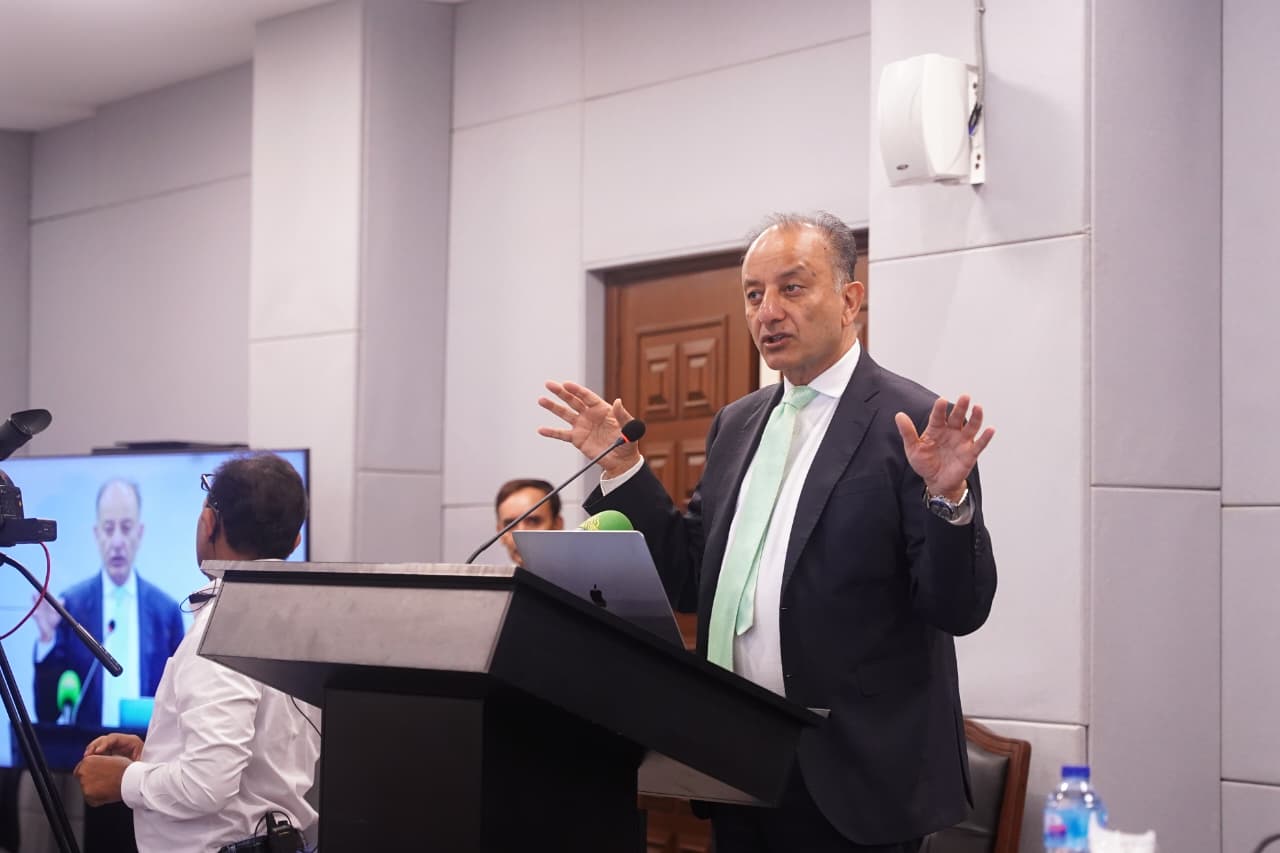
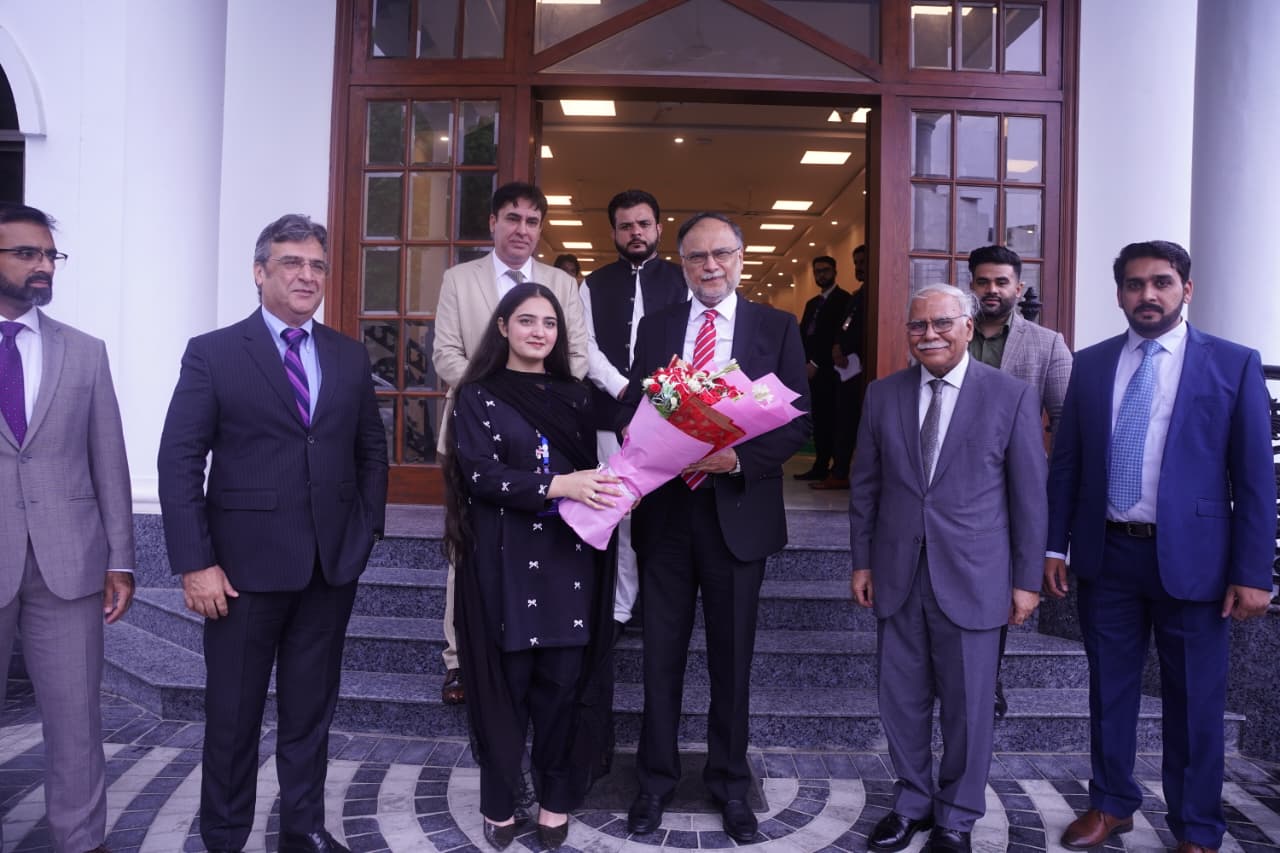
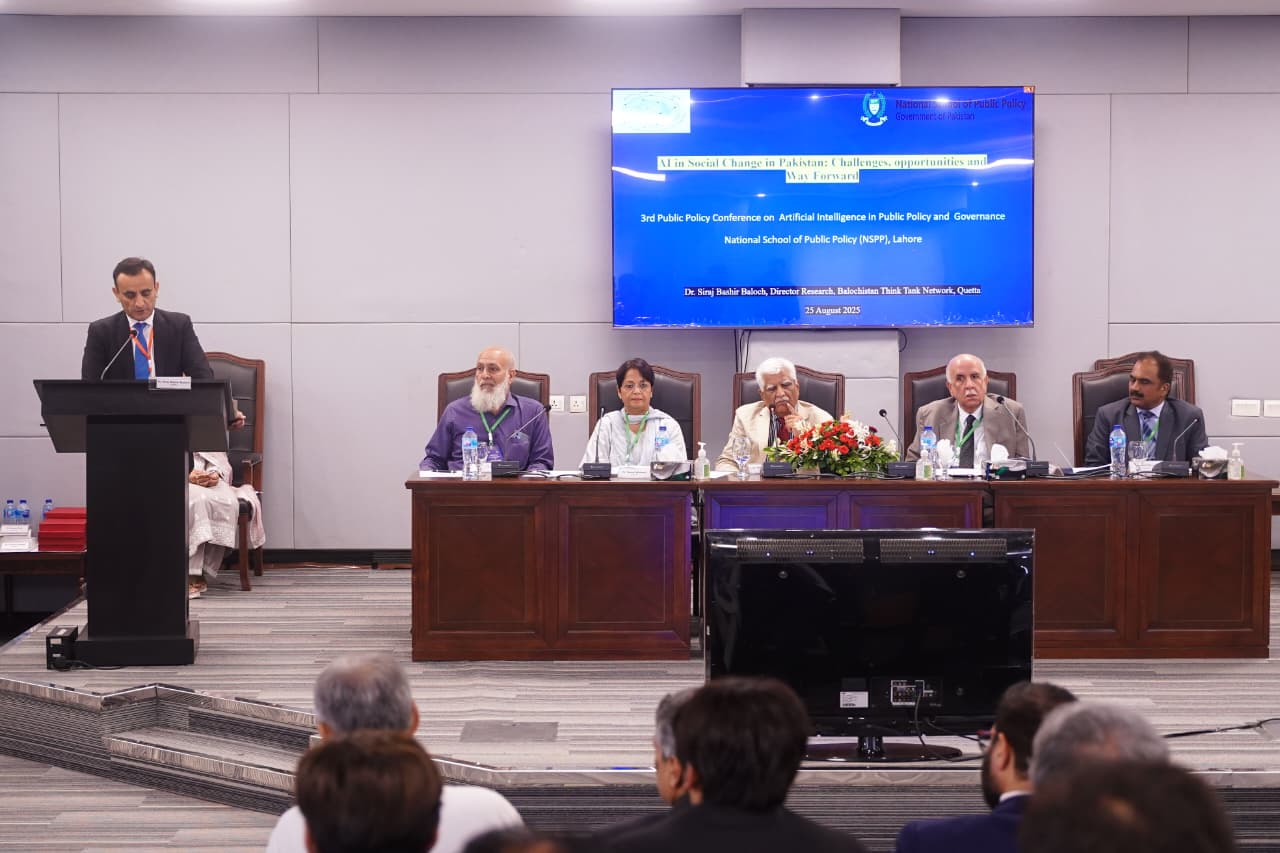
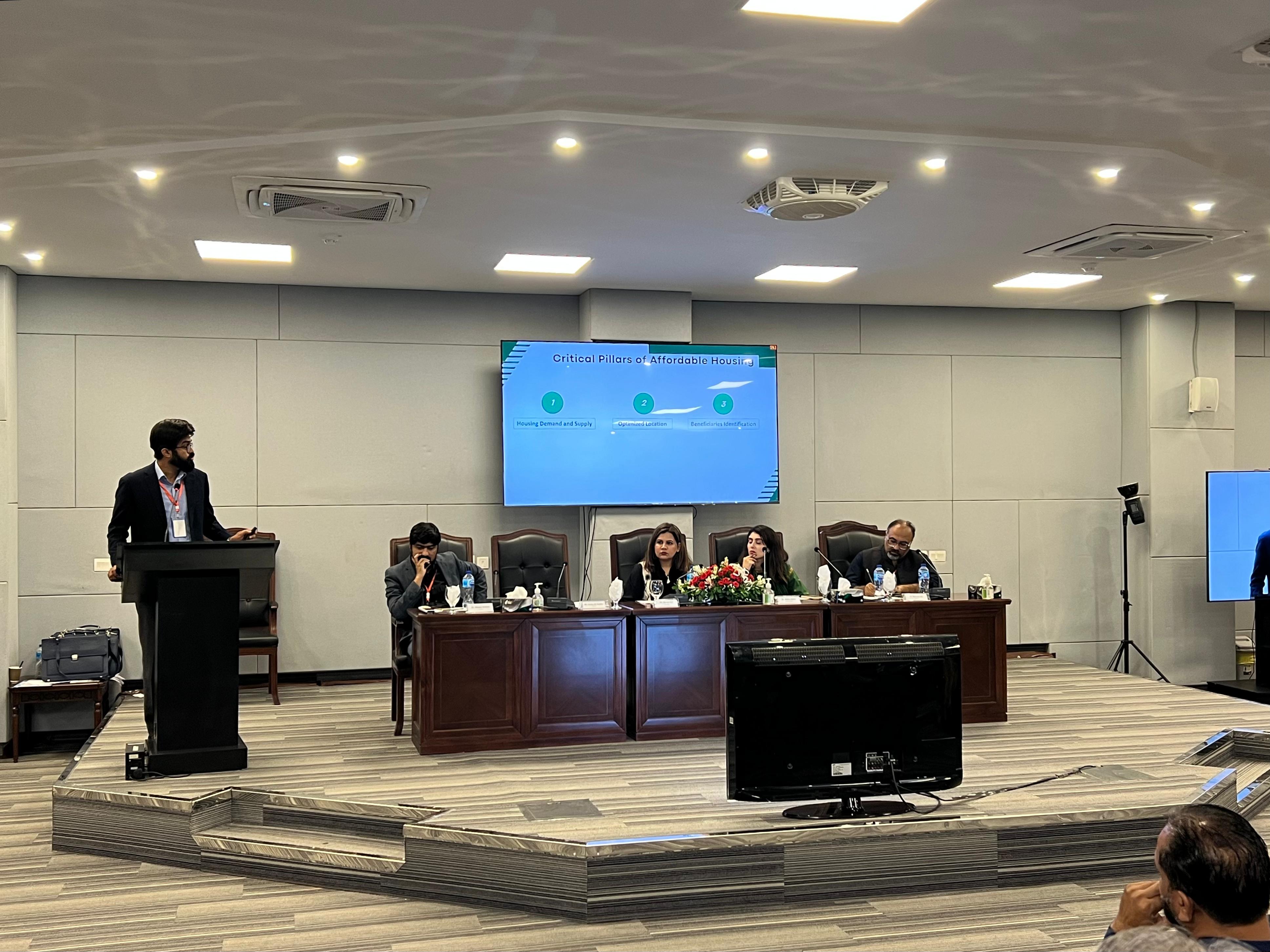
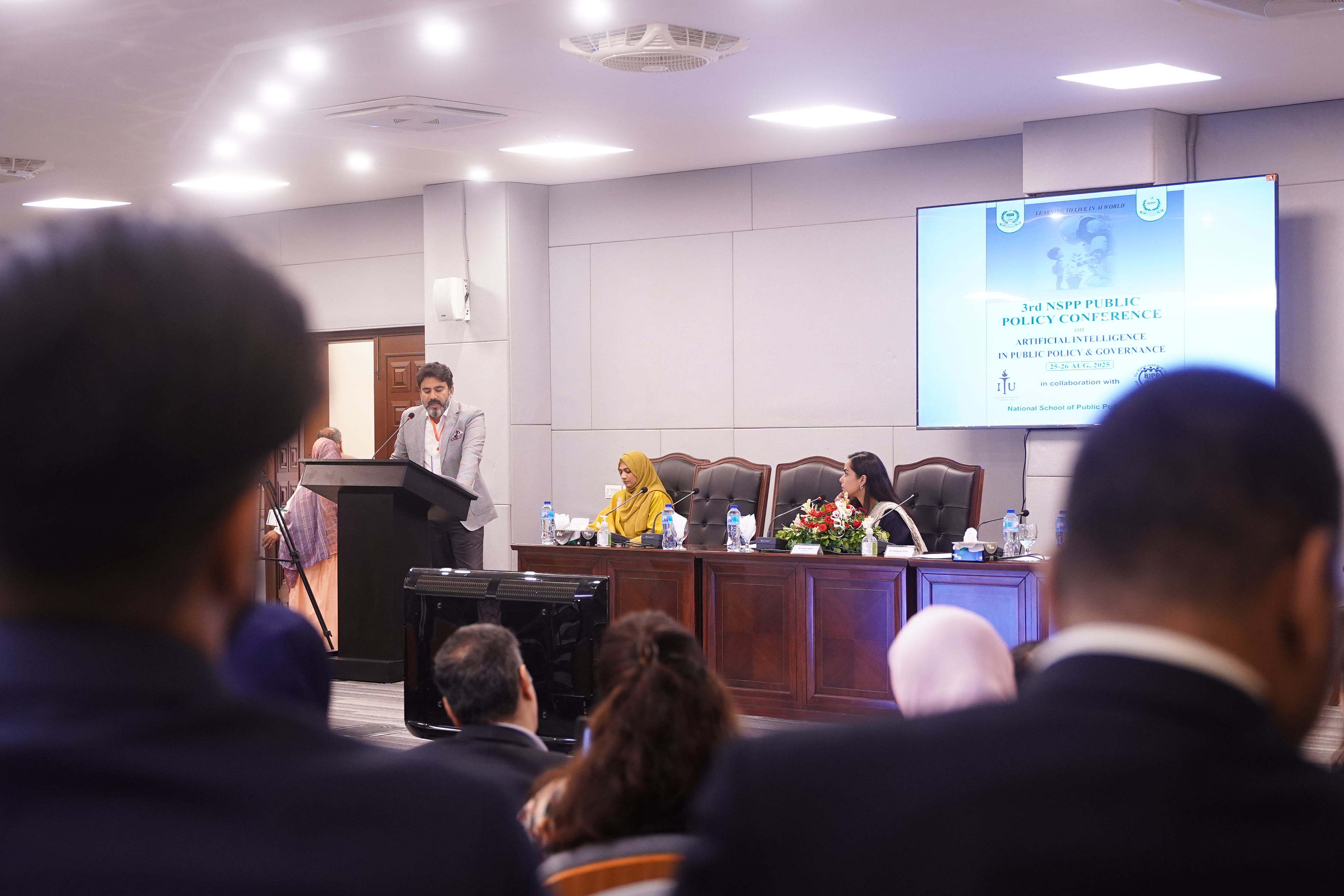
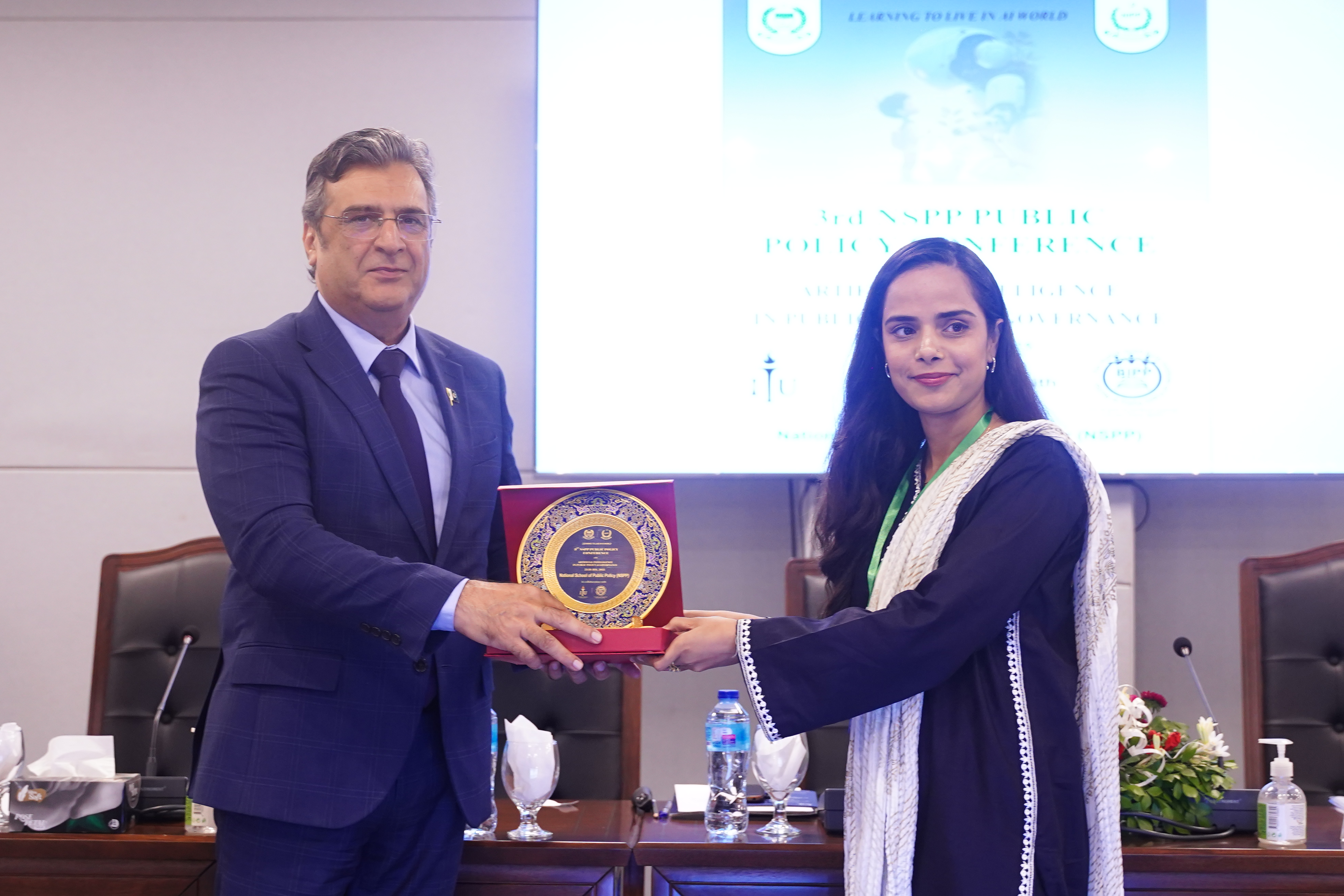
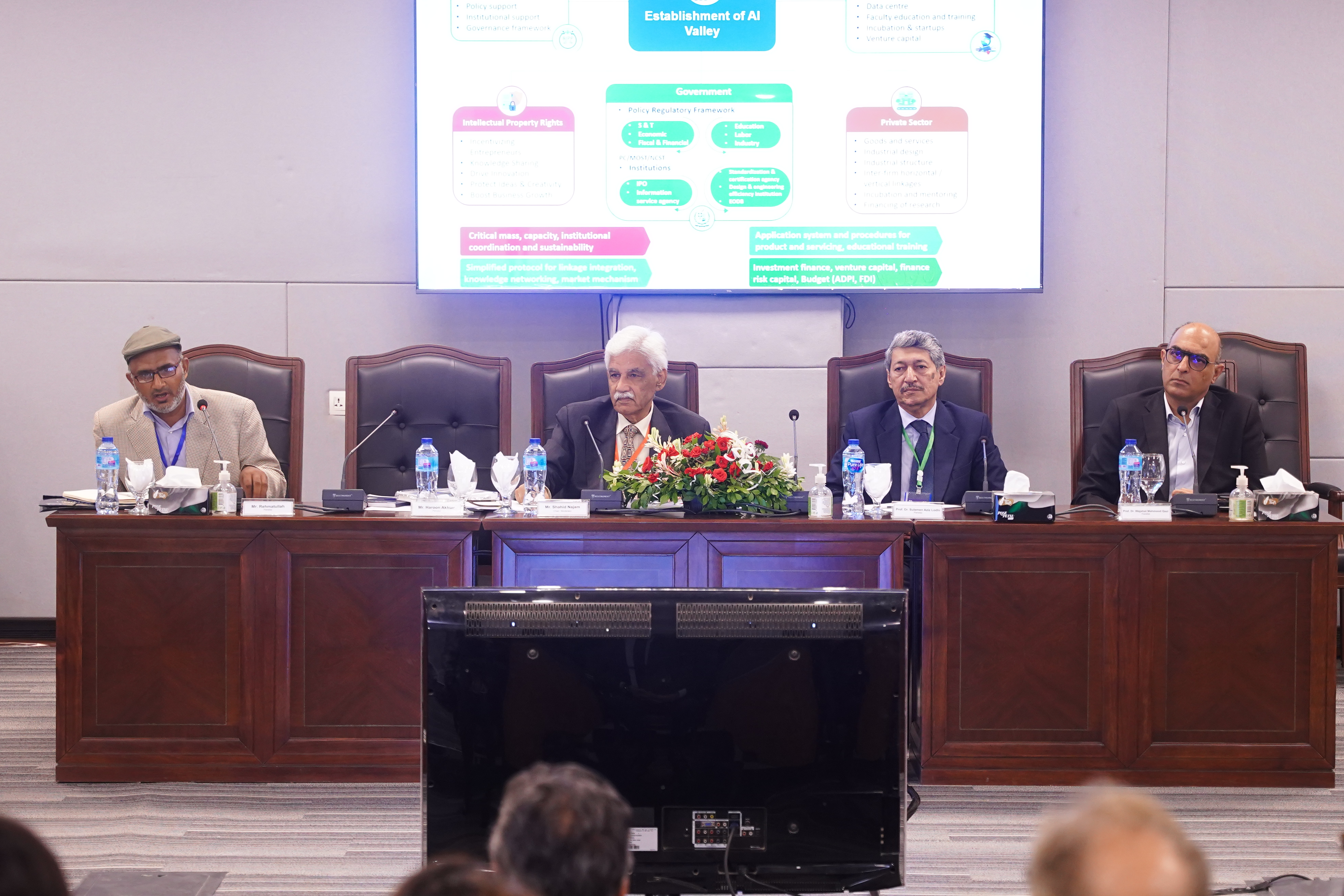
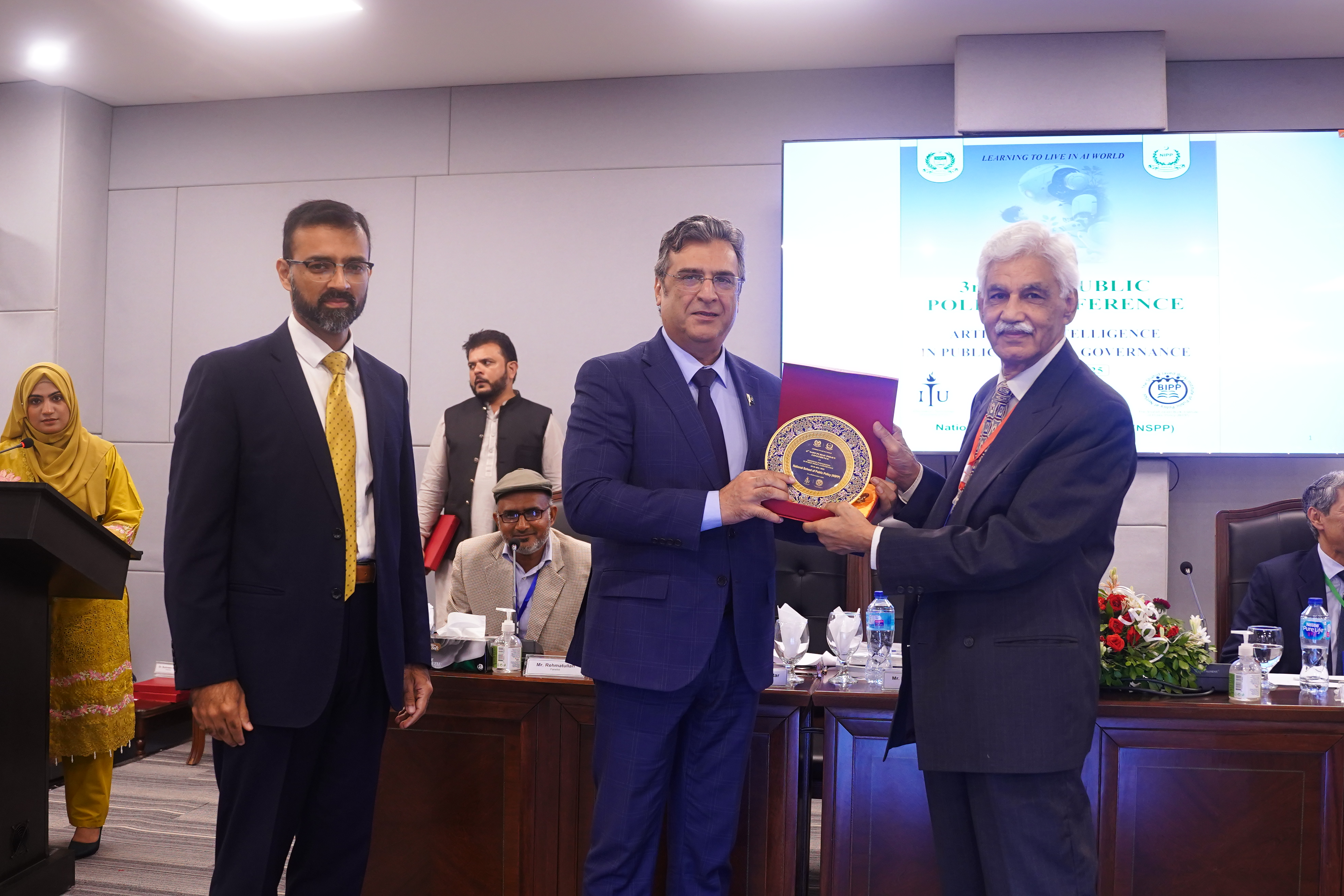
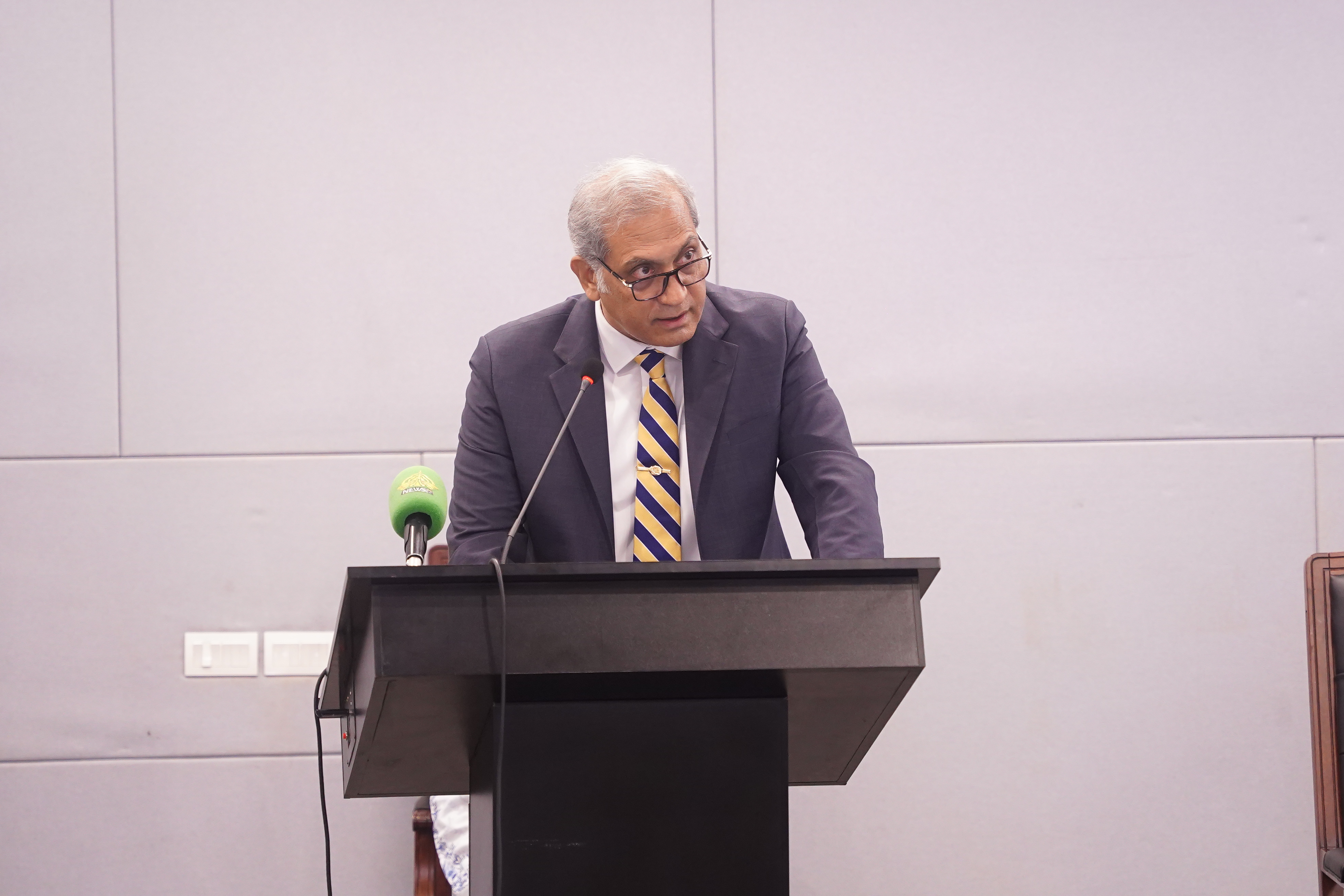
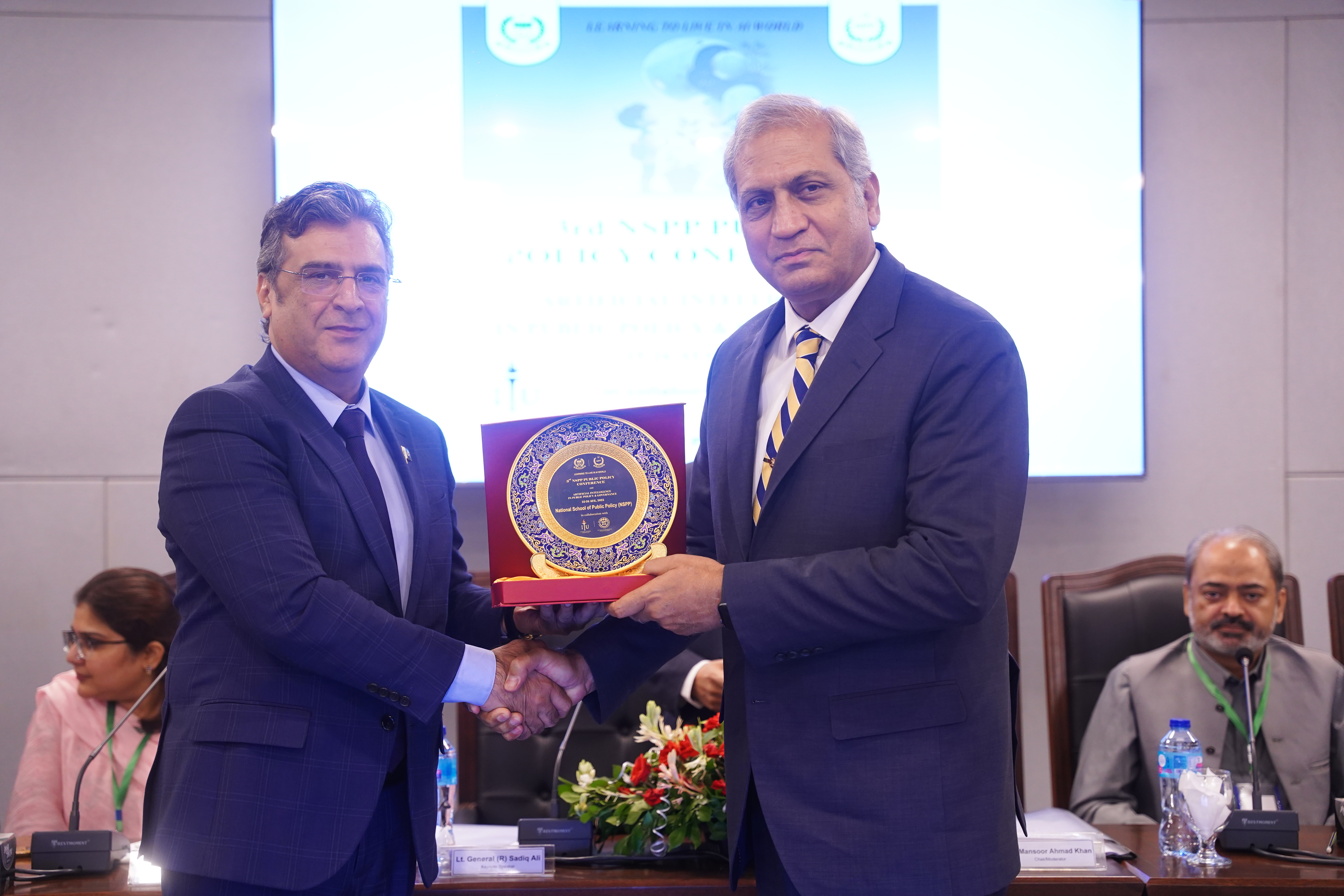
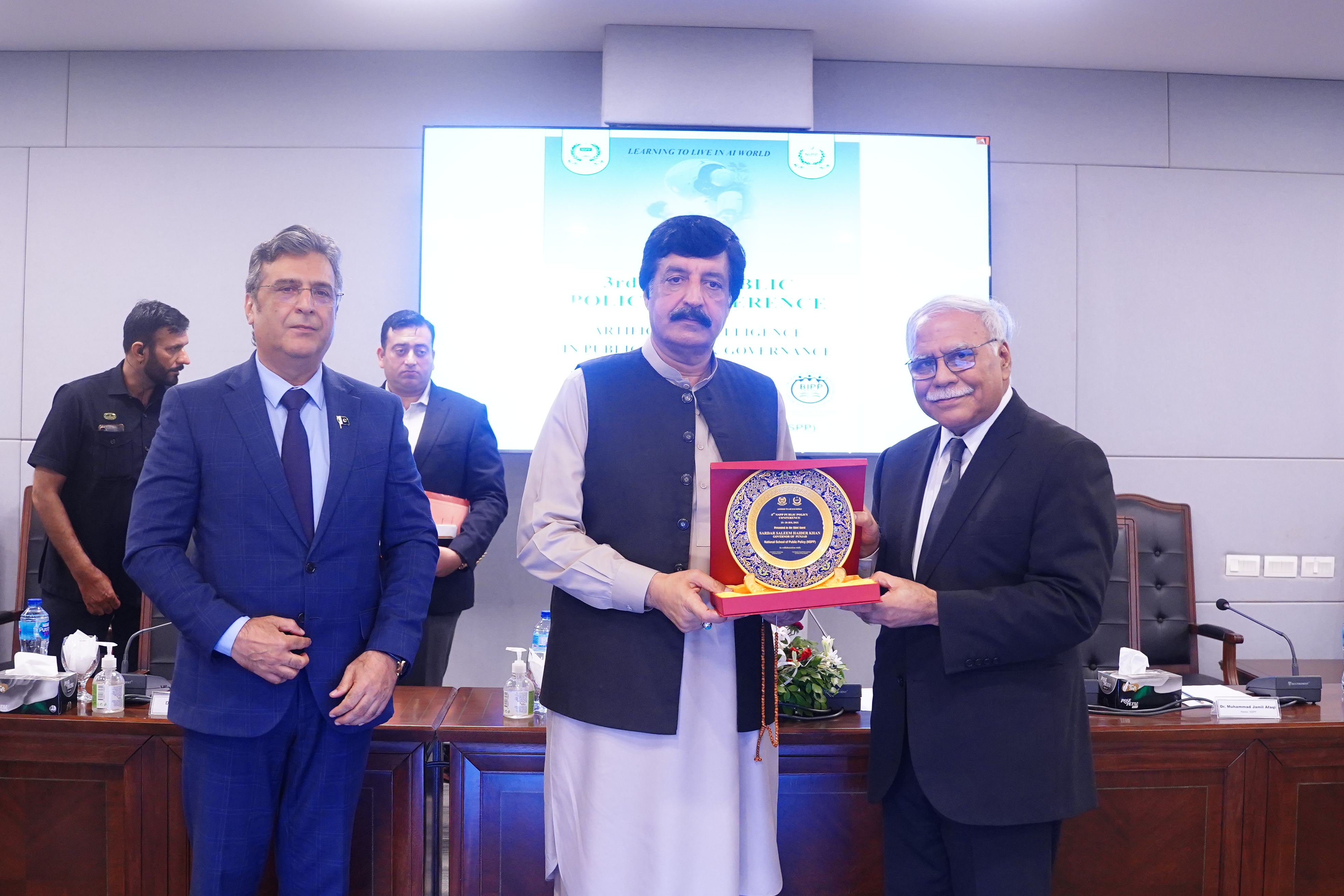
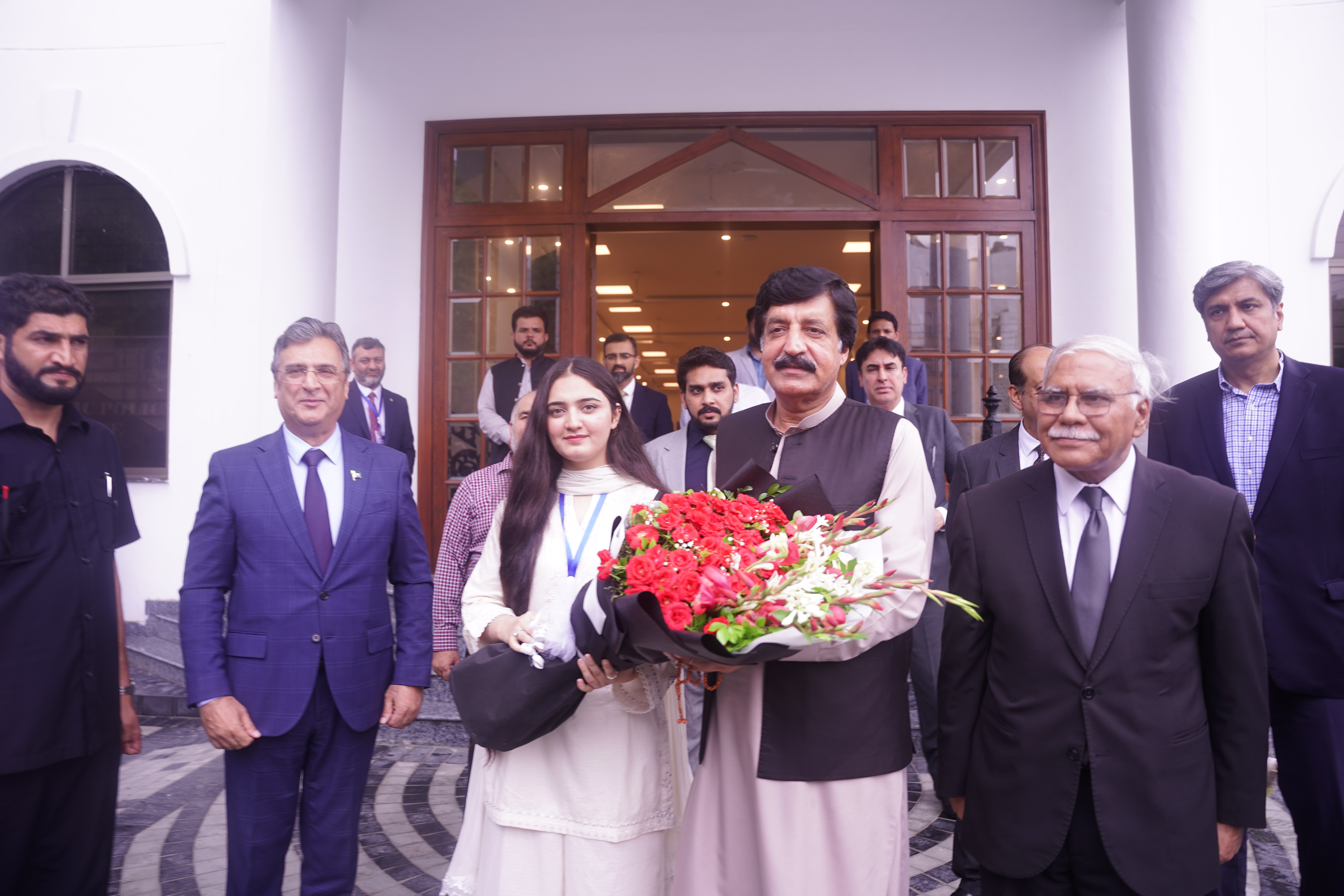
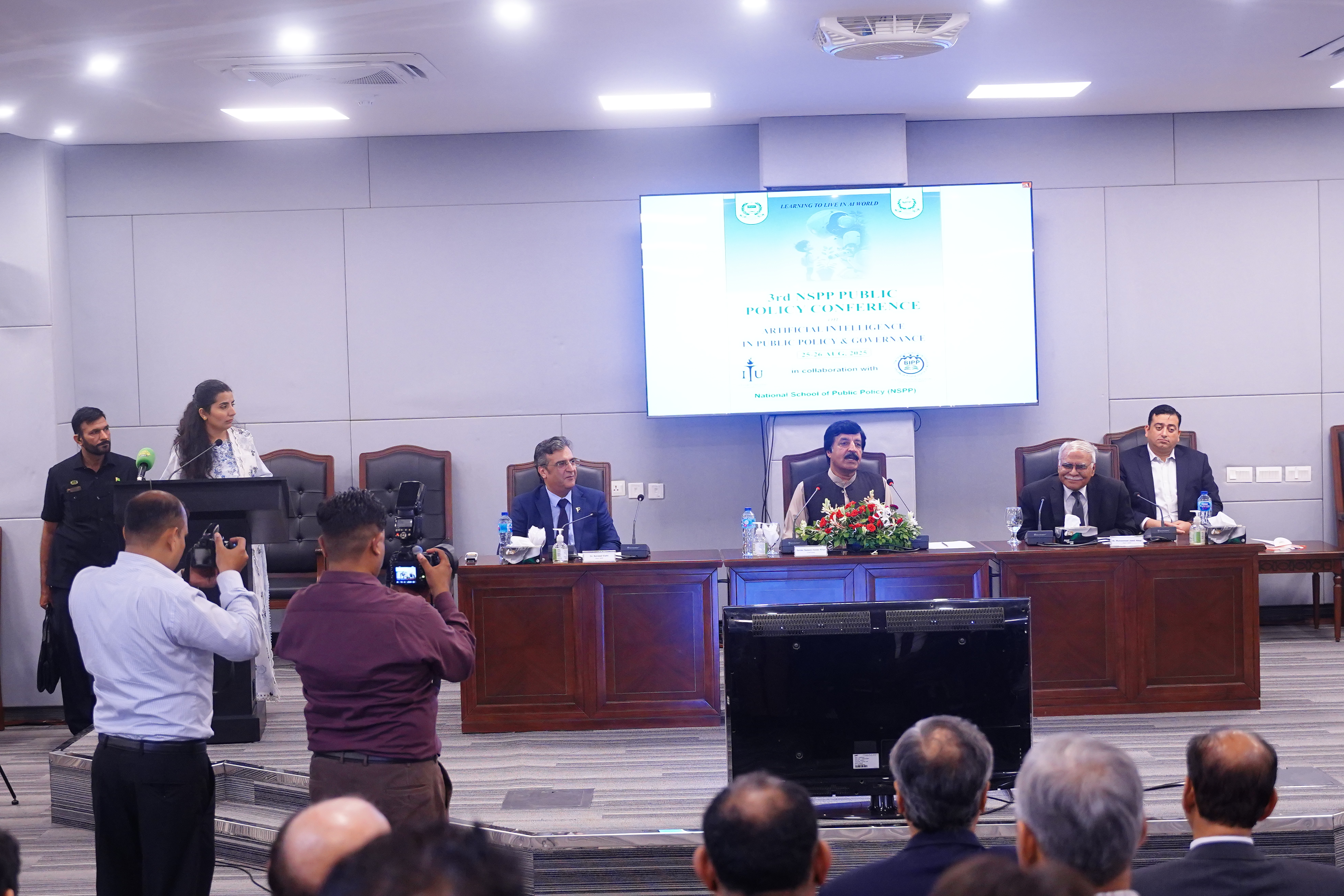
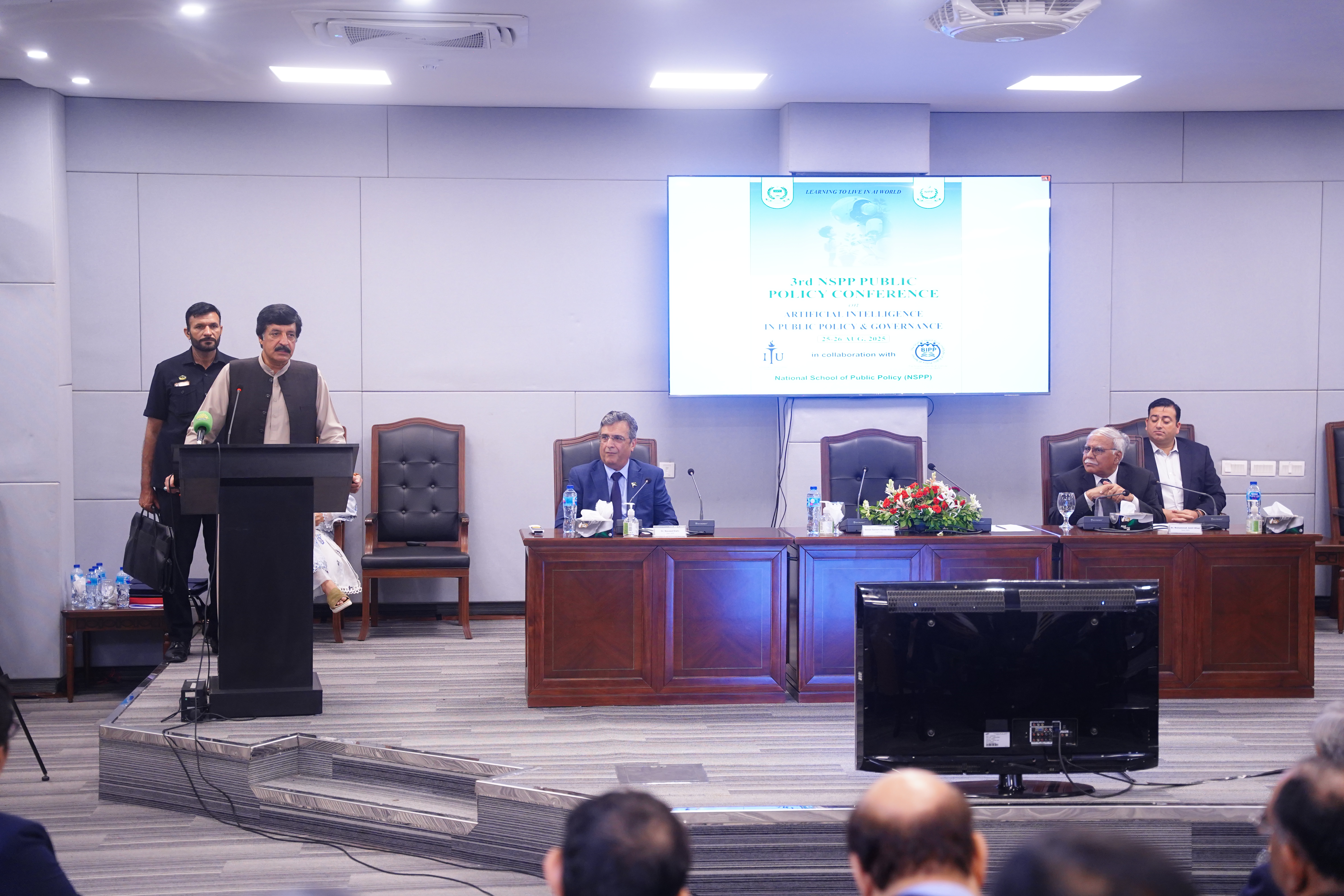
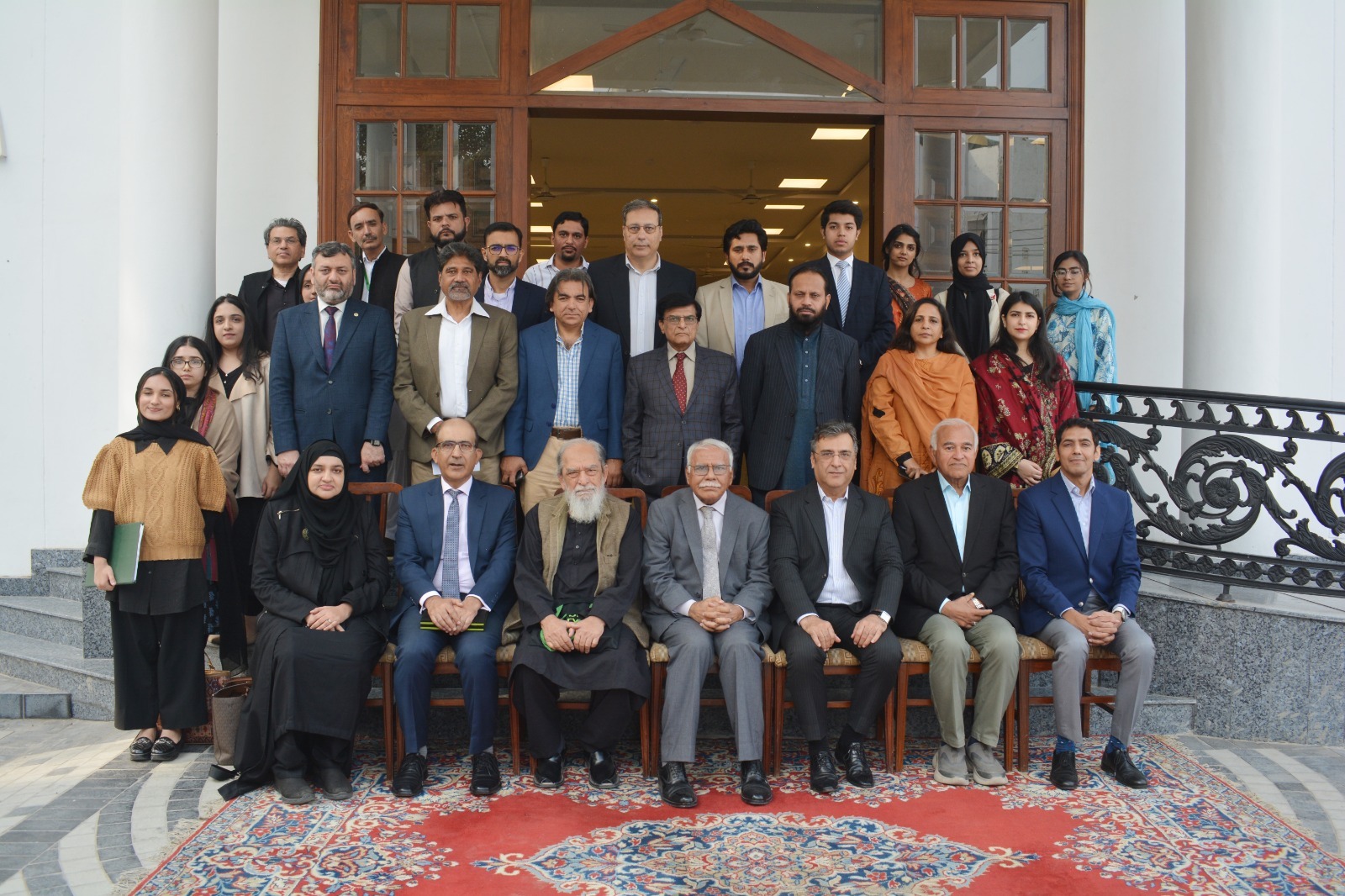
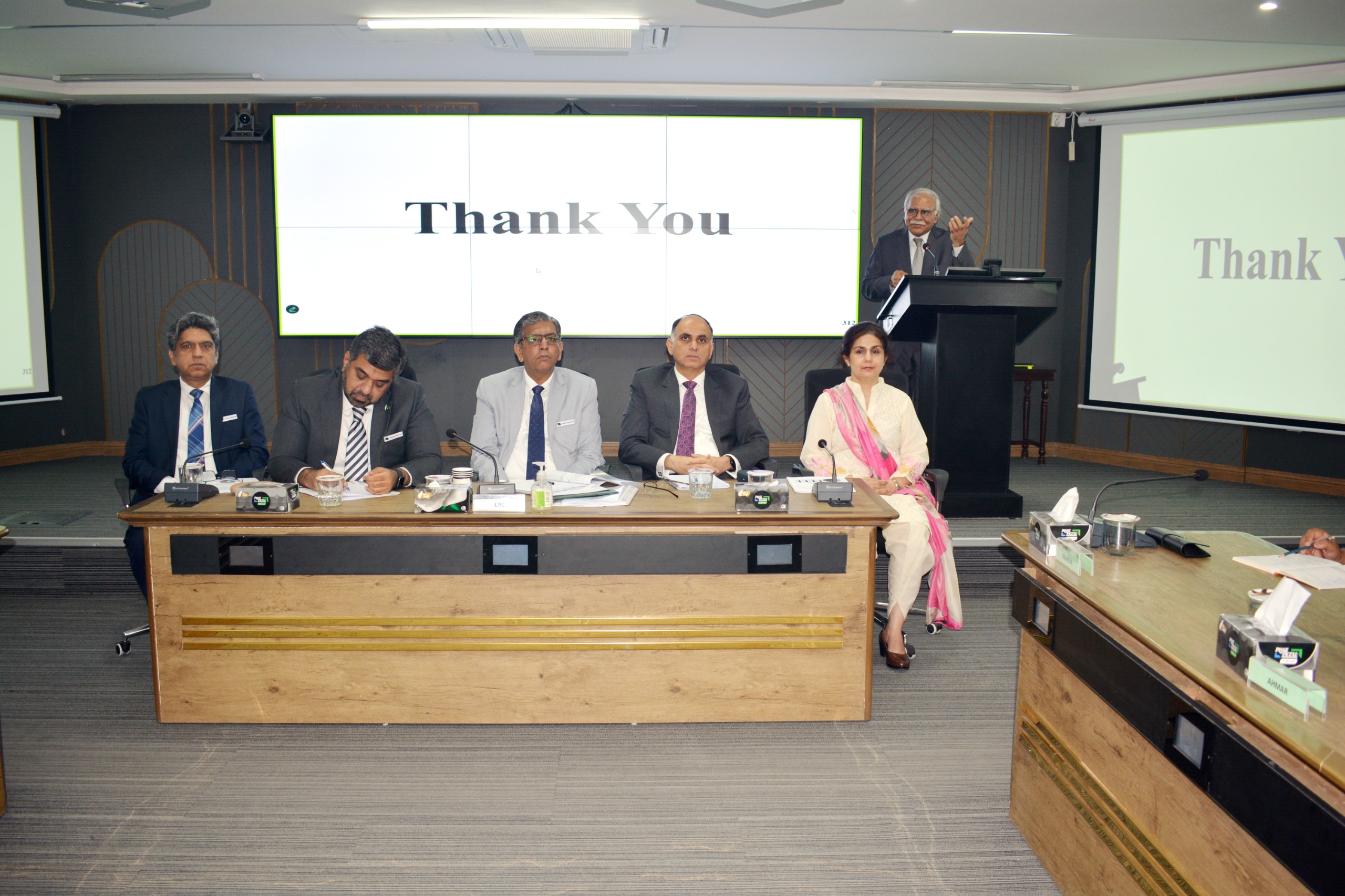
The National School of Public Policy (NSPP) held its 3rd annual Public Policy Conference on “Artificial Intelligence in Public Policy and Governance”, on 25-26th August, 2025 in Lahore. The two-day conference brought together leading scholars, policymakers, practitioners, and experts to explore the transformative role of Artificial Intelligence (AI) in governance, policy-making, and public administration. Dr. Naveed Elahi, Dean NIPP inaugurated the conference and emphasized the importance of AI in public policy while Dr. Muhammad Jamil Afaqi, Rector NSPP focused on the role of NSPP in equipping civil servants with AI. Mr. Ahsan Iqbal, Federal Minister for Planning & Development was the chief guest in the inaugural session and Sardar Saleem Haider Khan, Governor, Punjab was the chief guest for the closing ceremony. Whilst Dr. Musadik Malik, Federal Minister for Climate Change & Environmental Coordination was the guest of honour. The Information Technology University (ITU) and the Shahid Javed Burki Institute of Public Policy (BIPP) collaborated with NSPP for this conference.
The first day of the conference focused on governance and regulation of AI alongwith its role and far-reaching impact on the sectors of socio-economic development, environmental sustainability and public sector transformation. The second day of the conference examined the role and impact of AI on human rights, challenges of national security and the importance of academia collaborating with private sector to create indigenous AI models that are culturally relevant through incubation programs.
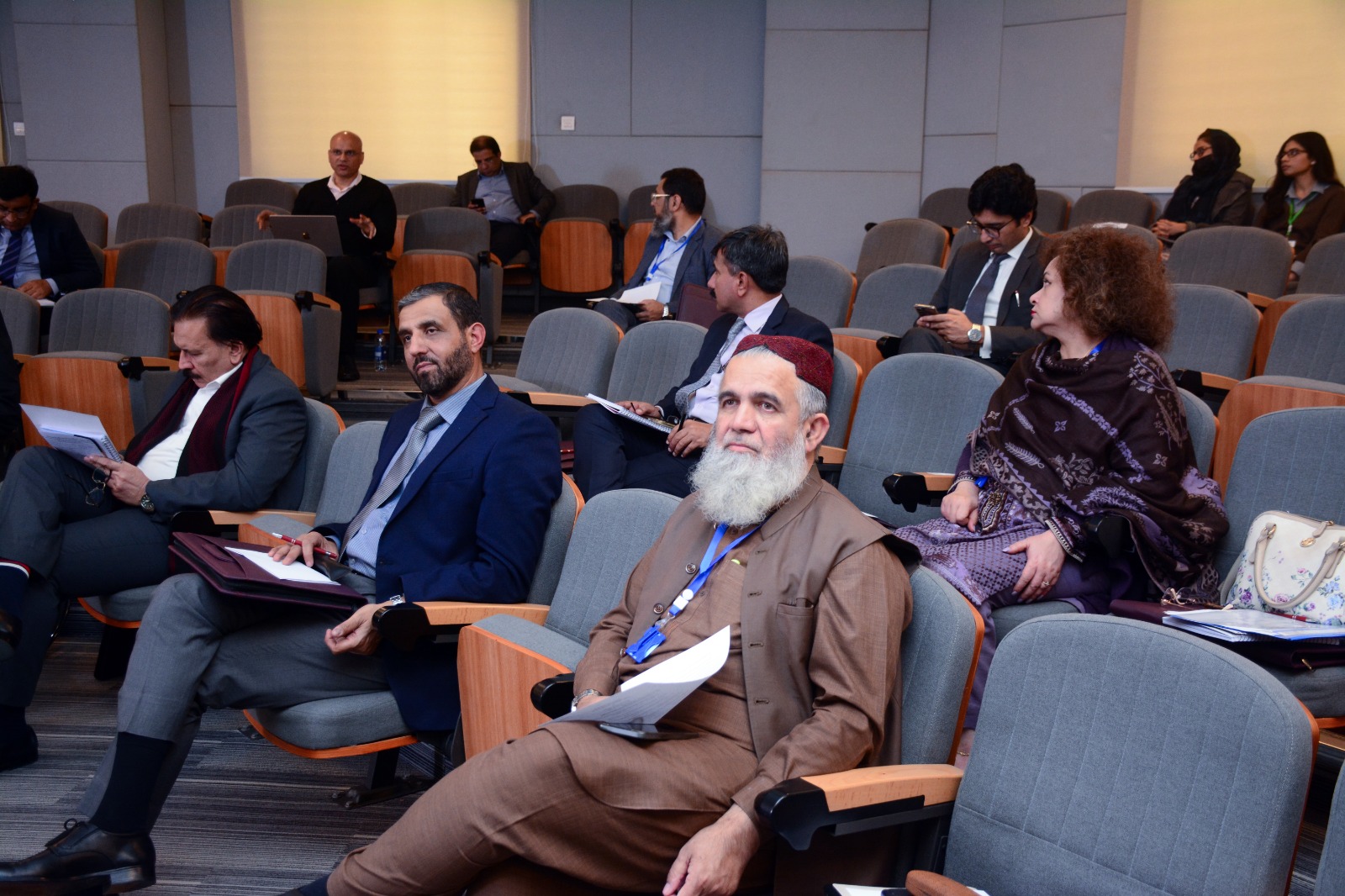
The conference was attended Dr. Saeed Shafqat, Founding Director, Center for Public Police and Governance, FCCU; Dr. Imran Hamid Sheikh, DG, Environment Protection Department, Punjab; Dr. Shujat Ali, Former Federal Secretary; Dr. Safdar A. Sohail, Former Federal Secretary; Dr. Abiha Zahra, Chairperson, Department of Governance and Global Studies, ITU; Mr. Shahid Najam, Vice Chairman, BIPP; Lt. General (R) Sadiq Ali, Former Federal Secretary; and Mr. Mansoor Ahmad Khan, Former Ambassador and Director of Beaconhouse National University Center for Policy Research; Mr. Mujib-ur-Rahman, Editor-in-Chief of Daily Pakistan; Ms. Maliha Sattar, Faculty at Department of Governance and Global Studies, ITU, Lahore; Mr. Shahid Najam, Vice Chairman, BIPP; Lt. General (R) Sadiq Ali, Former Federal Secretary; Mr. Mansoor Ahmad Khan, Former Ambassador and Director of Beaconhouse National University Center for Policy Research; Hafeez Ullah Niazi, analyst and journalist; Dr Saeed Elahi, former Chairman of the Pakistan Red Crescent Society (PRCS) and Mobeen-ud-Din Qazi, advocate. Researchers, scholars and officers from different federal and provincial departments also attended the conference.
Dr. Naveed Elahi, Dean NIPP, in his post conference remarks, recapped the two-day proceedings and stated that the intellectual endeavours and views expressed by the federal ministers and experts have highlighted the vast potential of AI to transform public policy and service delivery. He emphasized on the need to build capacity in governments, civil society, and academia to develop and implement AI solutions that benefits our society.
In his concluding remarks, Sardar Saleem Haider Khan, Governor, Punjab acknowledged the importance of AI in public policy and administration and the benefits that can be reaped by exploring its potential to the fullest. In this regard, providing funding to research is critical. He also appreciated NSPP for organizing this conference. He emphasized the role of civil servants in improving the service delivery, governance framework and making it citizen-centric by incorporating AI.
Dr. Muhammad Jamil Afaqi, Rector, NSPP thanked the chief guest, experts, scholars, practitioners and the audience. He also thanked ITU and BIPP for collaborating with NSPP on this emerging national issue and bringing this conference a success. He further stated that this conference should be considered an on-going dialogue where we work towards making an inclusive, equitable and sustainable
The conference concluded with a call for cross-sector collaboration, capacity-building, transparency, ethical framing, protection of intellectual property rights and evidence-based policymaking to ensure AI contributes positively to Pakistan’s governance and national security landscape. Scholars and practitioners agreed that AI must be adopted responsibly, with a people-centric approach which strengthens trust between government and citizens.
In light of the discussions and recommendations, NSPP will prepare a comprehensive report to be presented to the Government and other stakeholders.