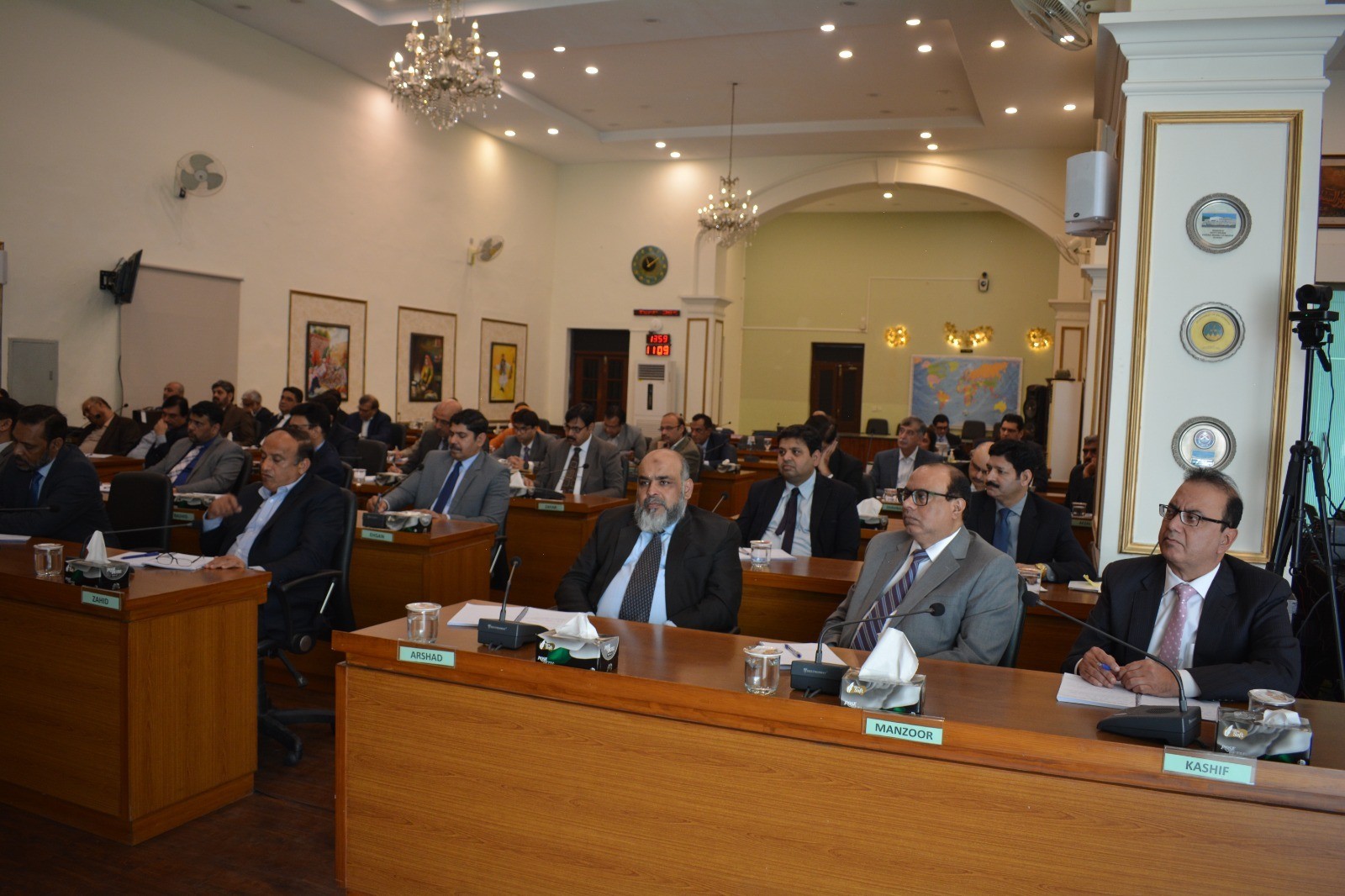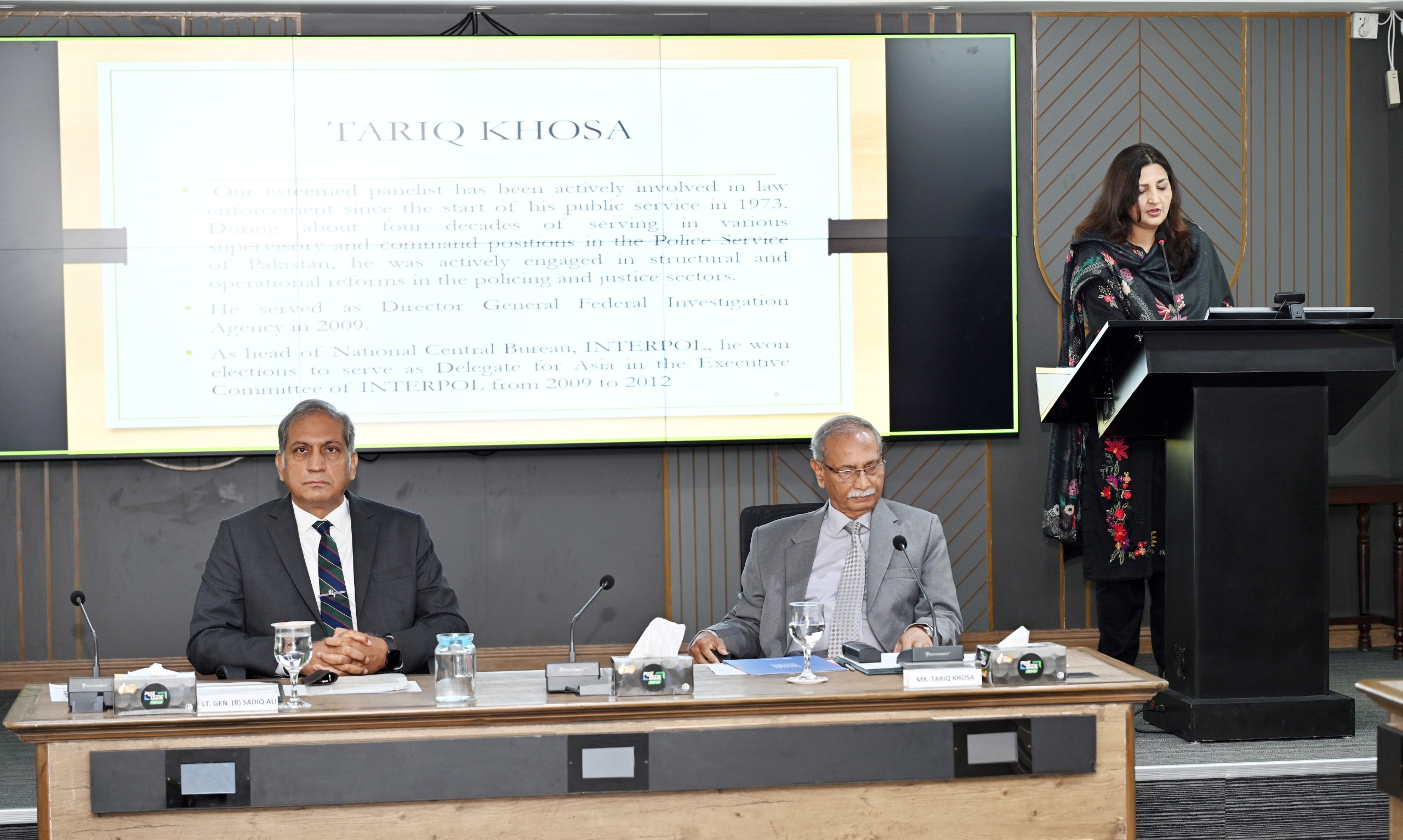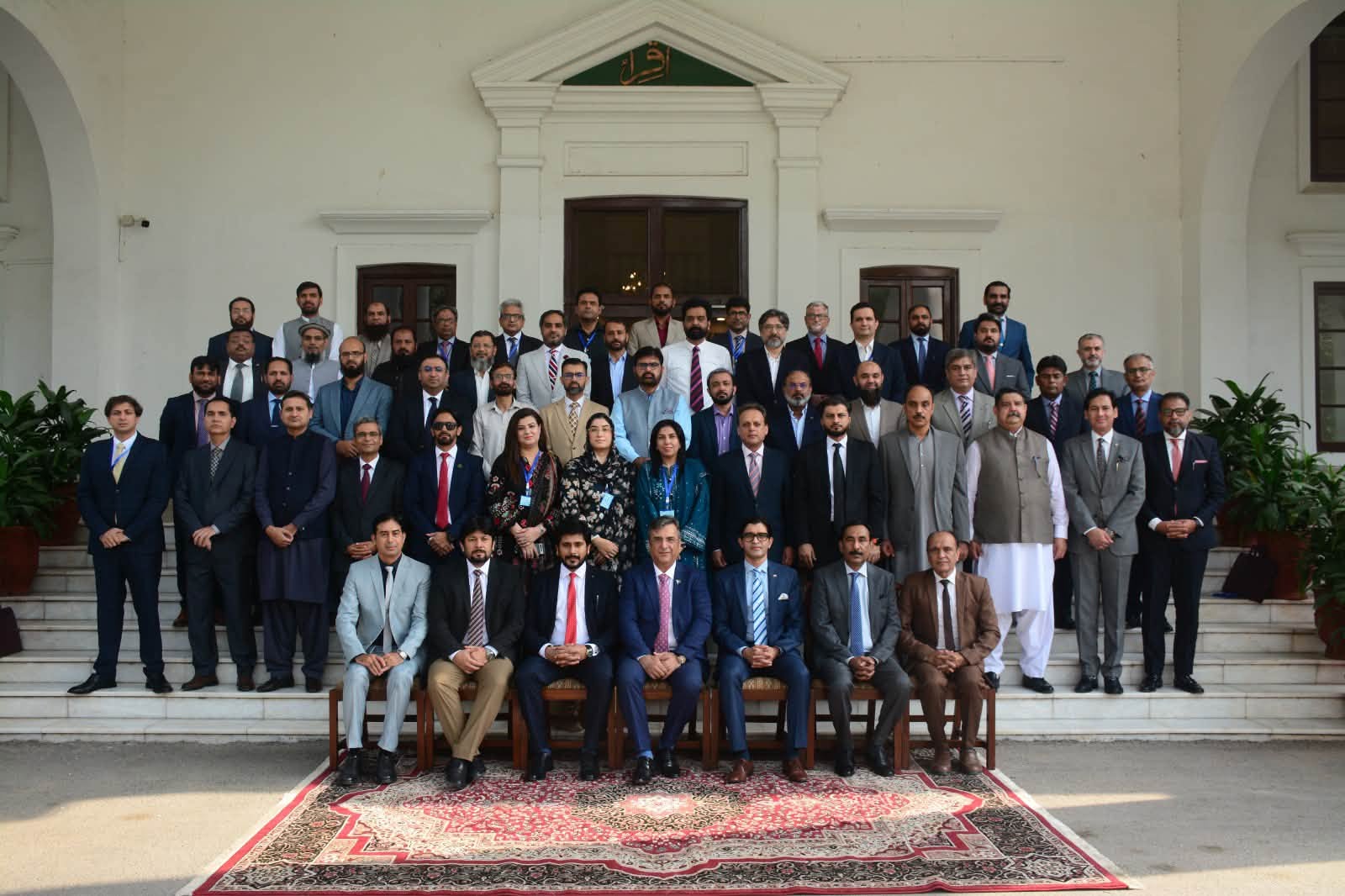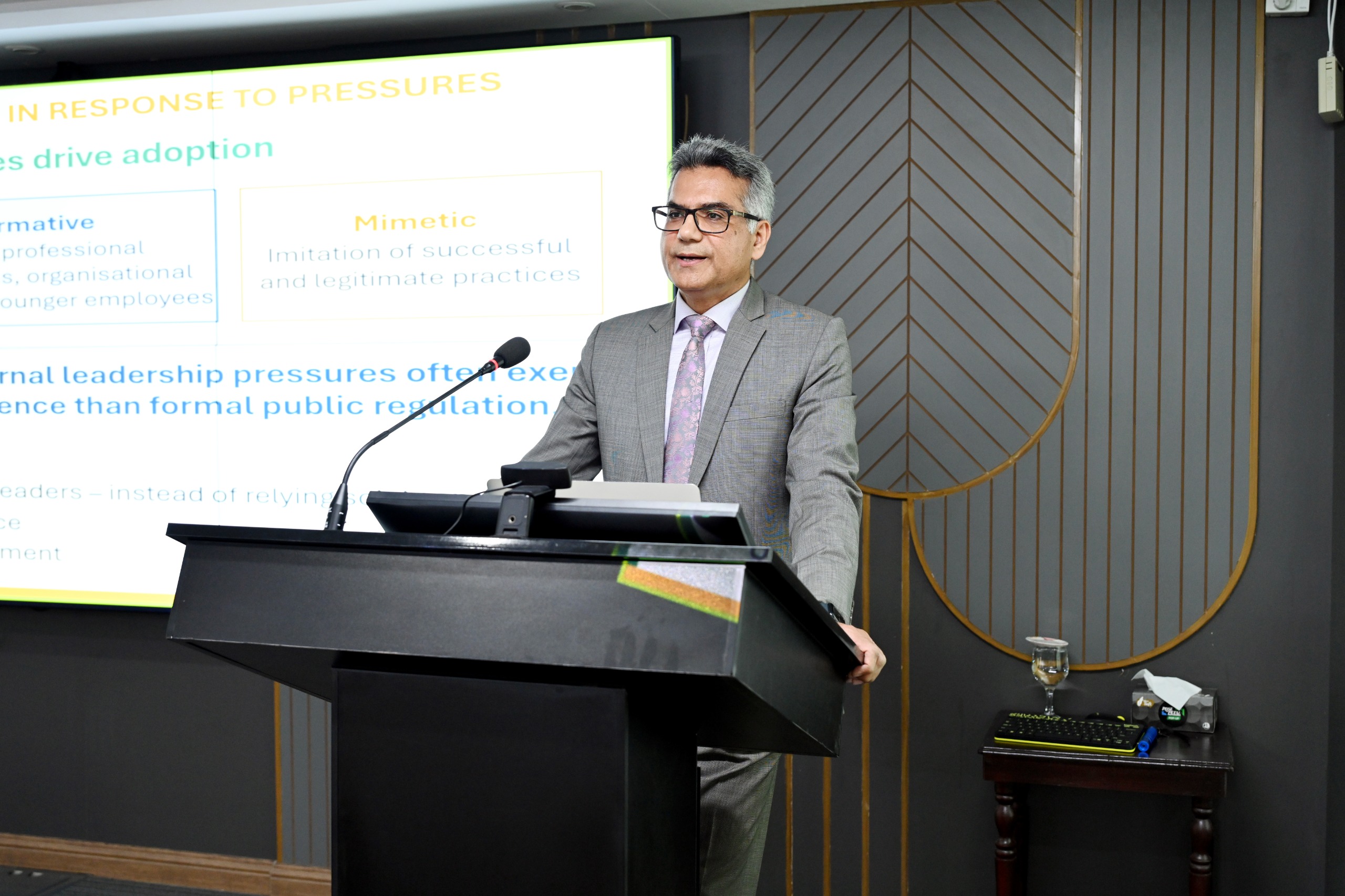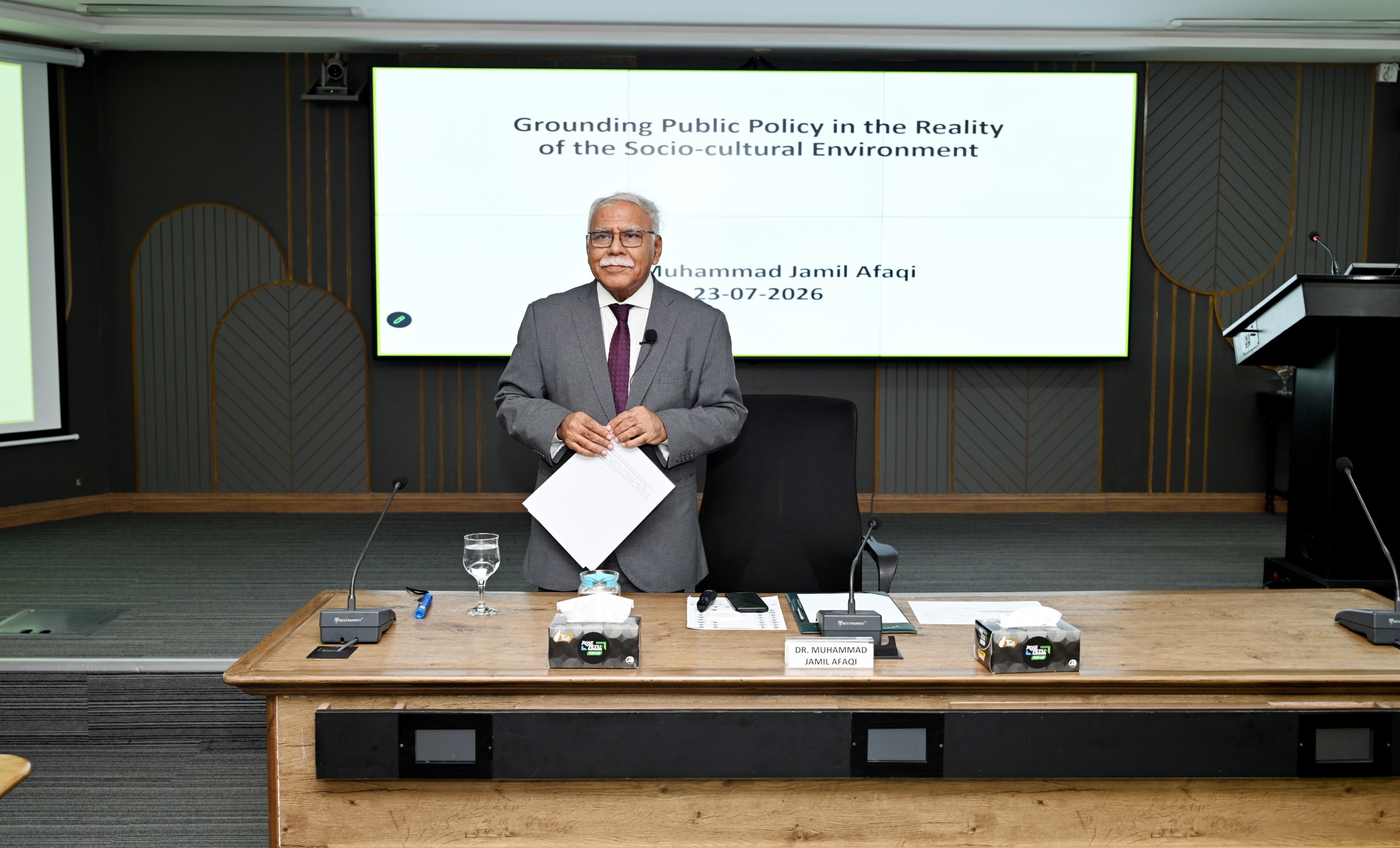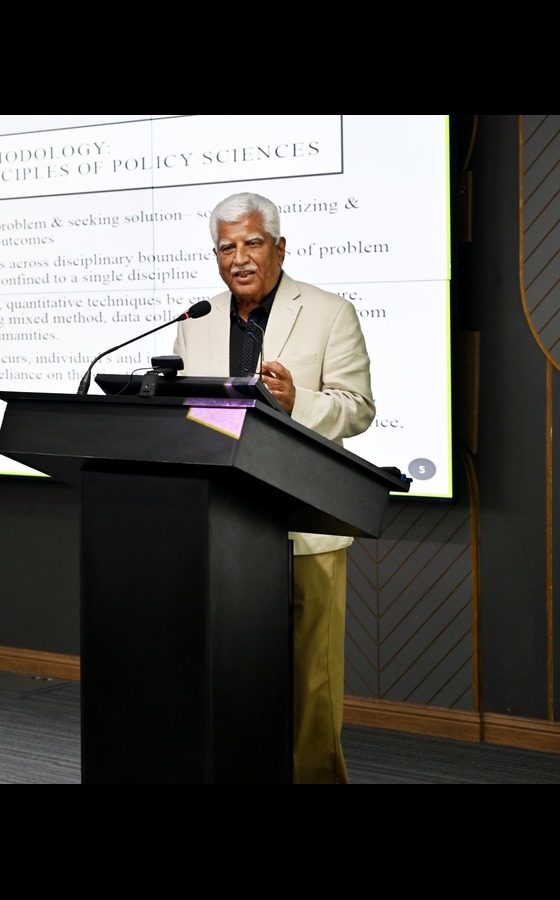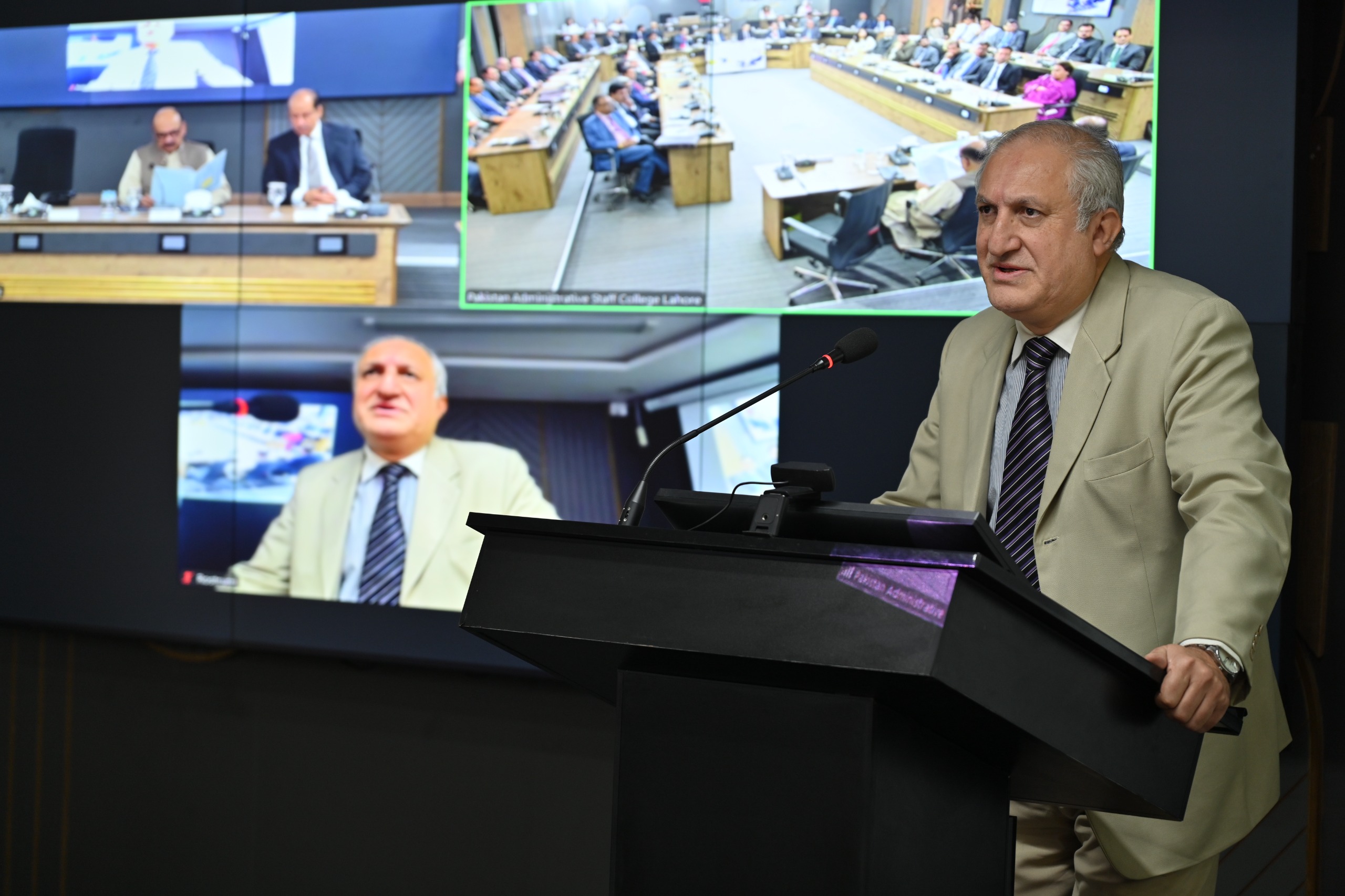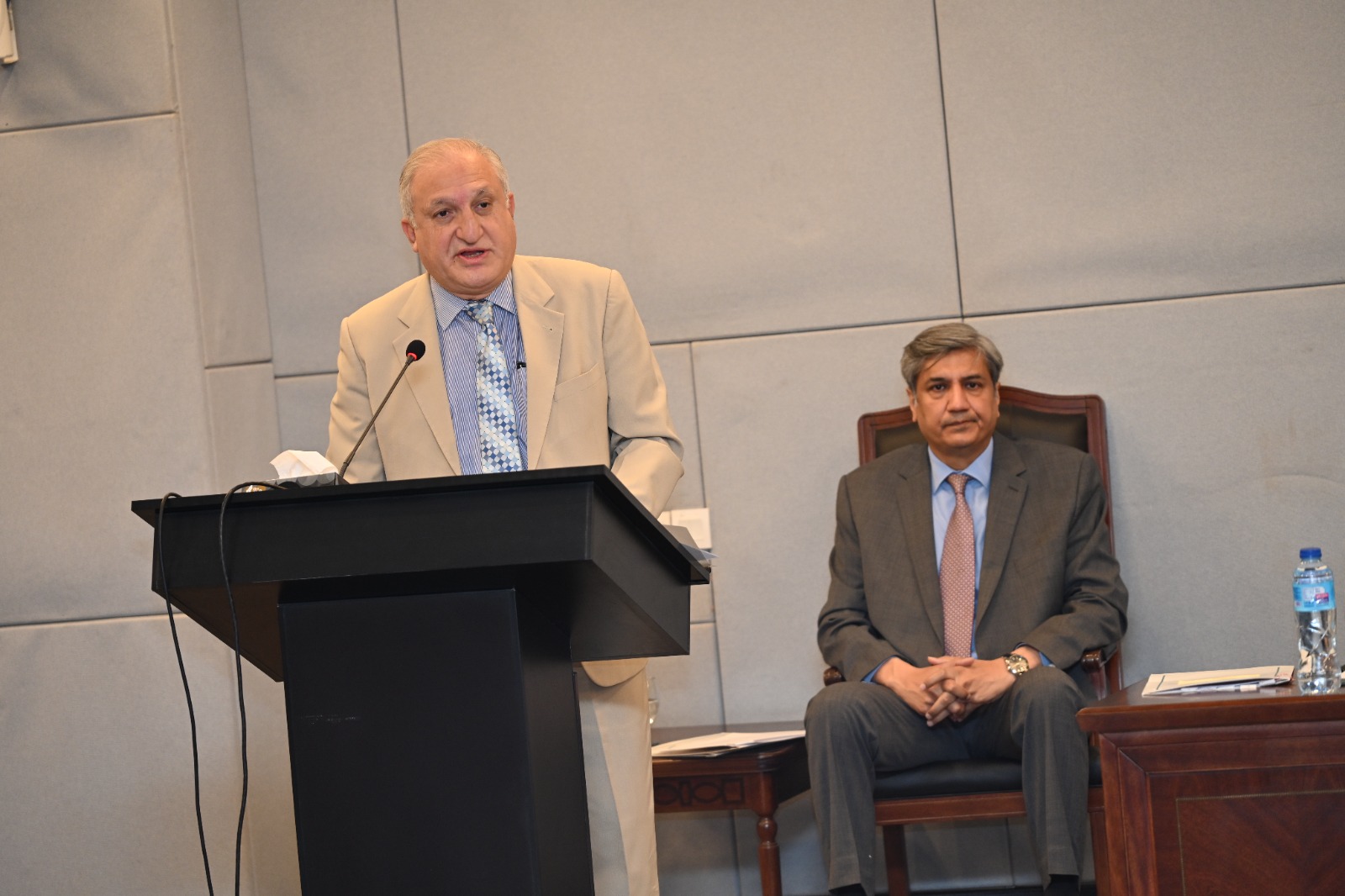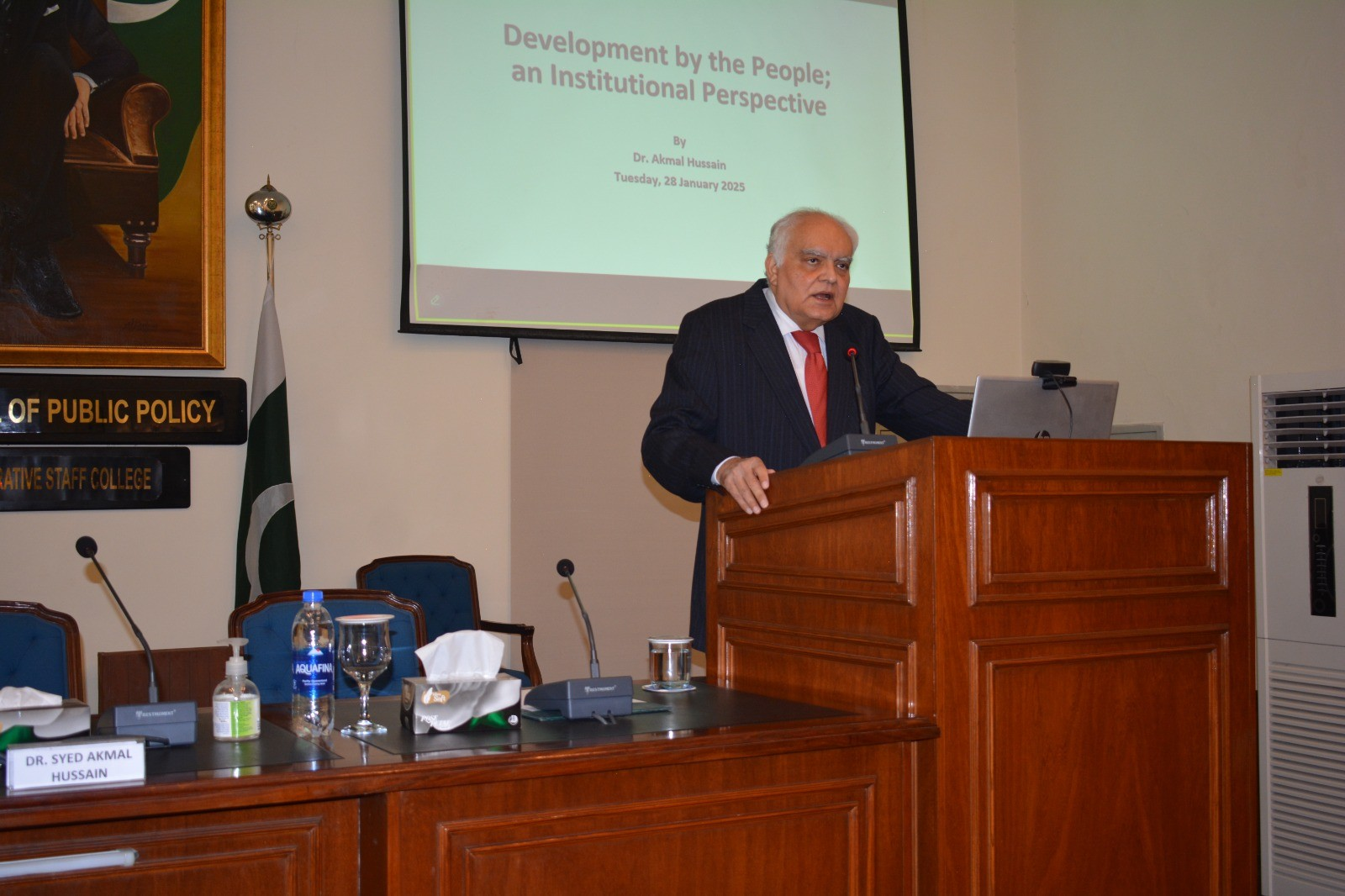
On 28th Jan 2025, Dr. Akmal Hussain delivered a thought-provoking lecture for the participants of NMC 122. In his talk, he explained the role of institutions in shaping societies and economies. He described institutions as the rules that guide how people interact and work together, emphasizing that these rules must be effective for societies to operate well.
Dr. Akmal highlighted the problems caused by institutions that only benefit a small group of elites, such as poor innovation and low productivity. He used Pakistan’s economic challenges as an example, showing how reliance on foreign loans and low-value exports can lead to financial crises.
To improve, Dr. Akmal suggested restructuring the economy to focus on equal opportunities for all, especially in education and health. He stressed the importance of preparing the youth for high-tech jobs and building an economy that can withstand environmental changes. His lecture provided valuable insights into how changes in institutional structures can lead to better economic growth and development.
He also discussed the impact of 300 years of Western capitalism, marked by heightened acquisitiveness and aggression, and how these traits have been ingrained within an atomized society. His discussion explored the roles of Eros and Thanatos in civilization, and of the neurological development favoring the left brain, which has led to the suppression of the right brain’s role in human consciousness since the Enlightenment. The interplay between the left brain and civilization plays a focal point in understanding the broader implications on societal norms and individual consciousness.