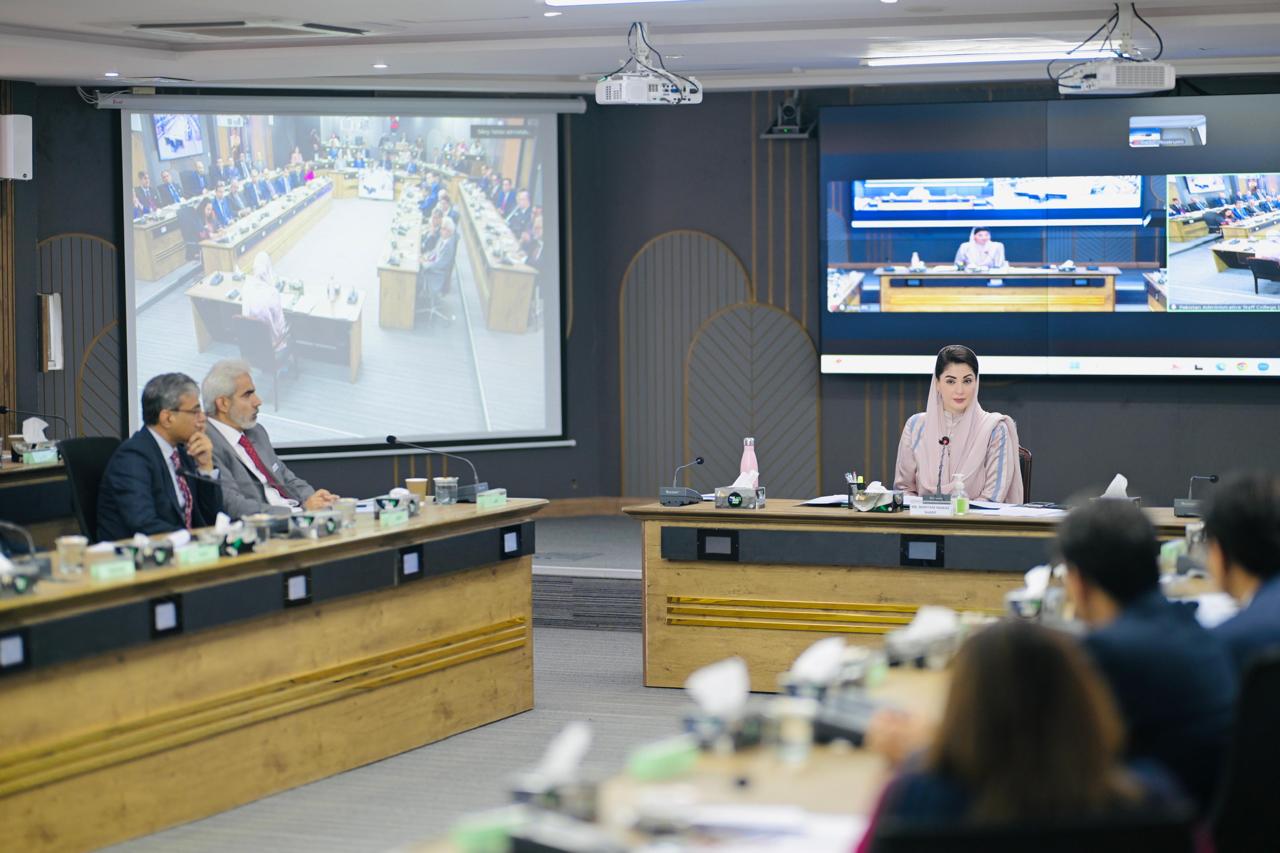
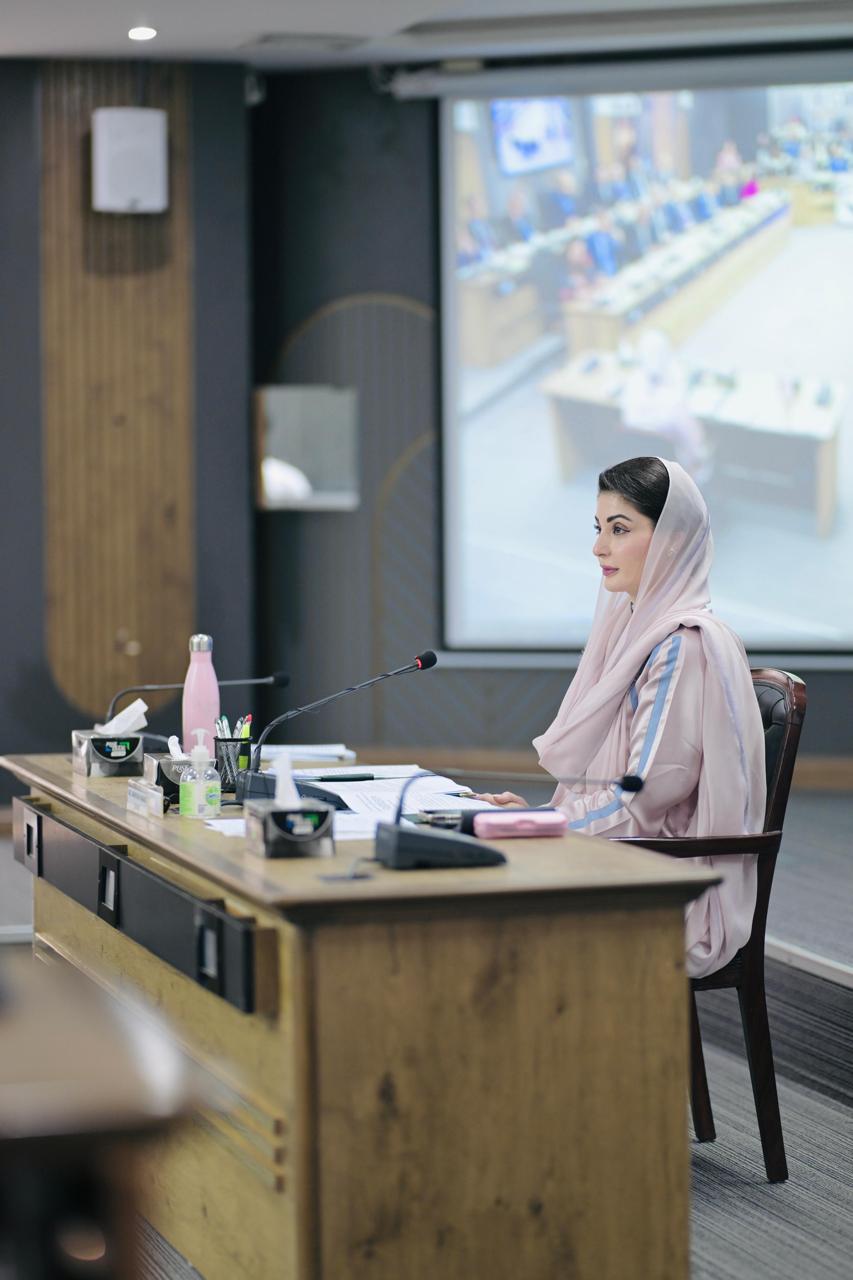
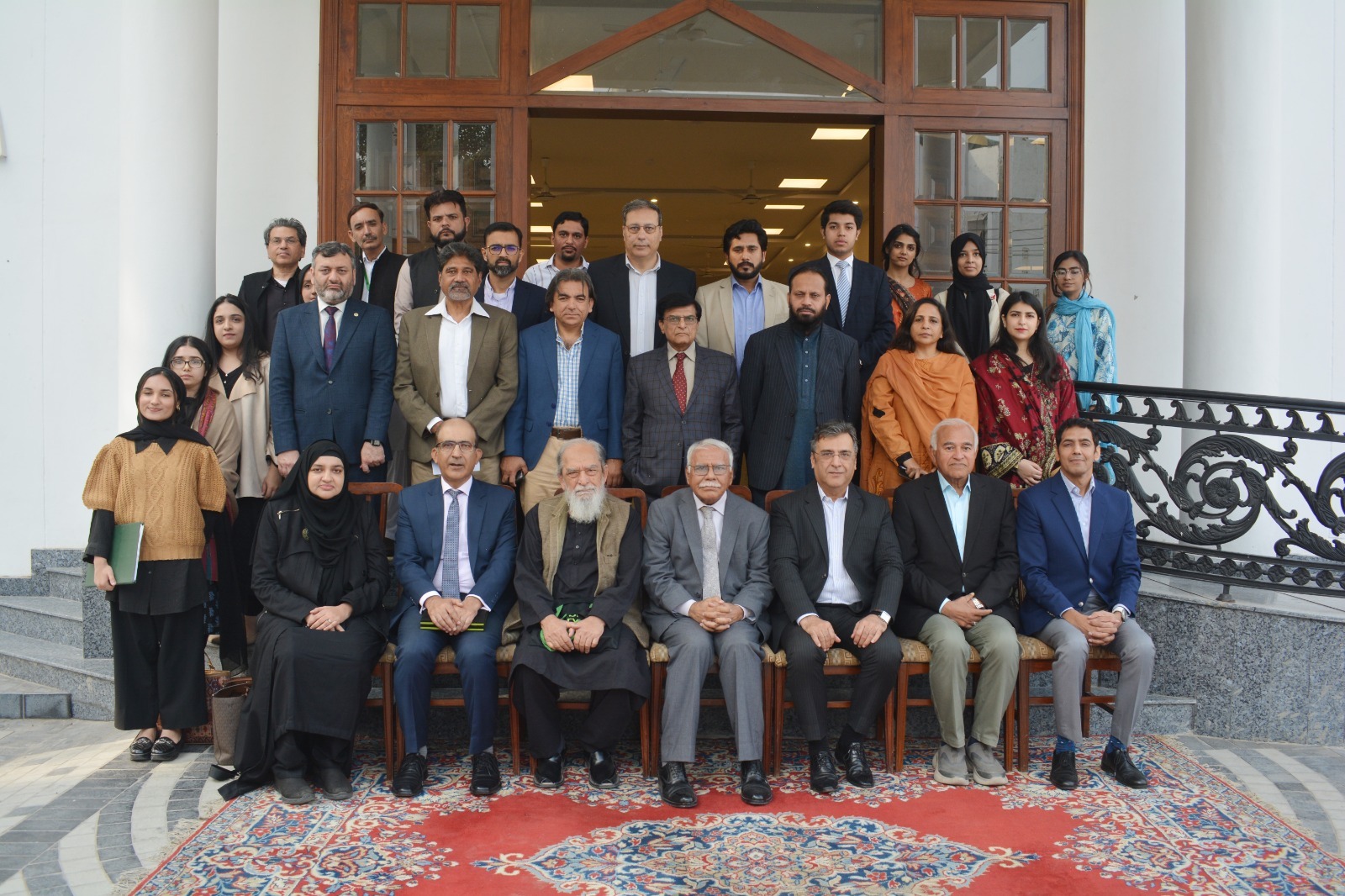
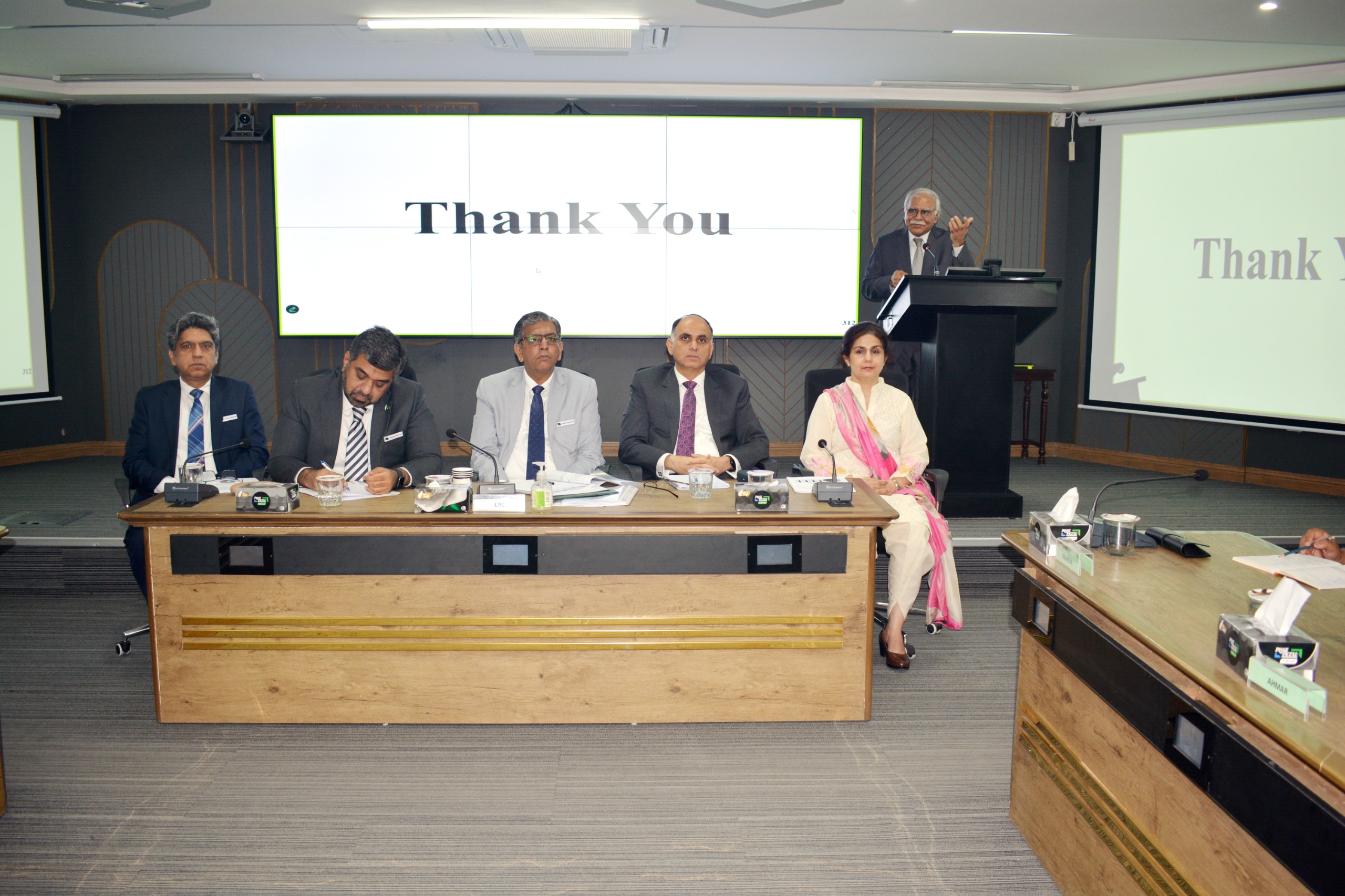
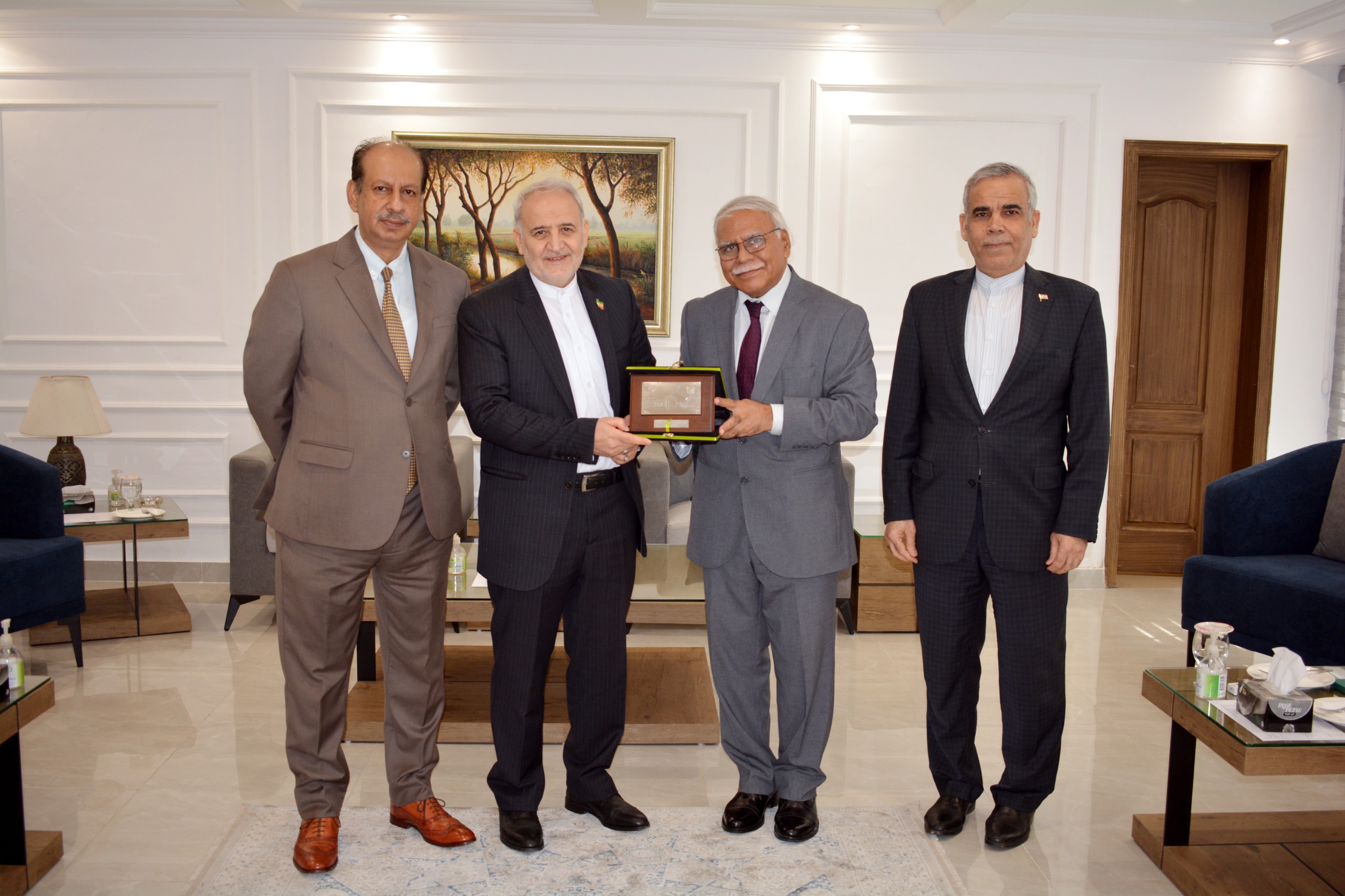
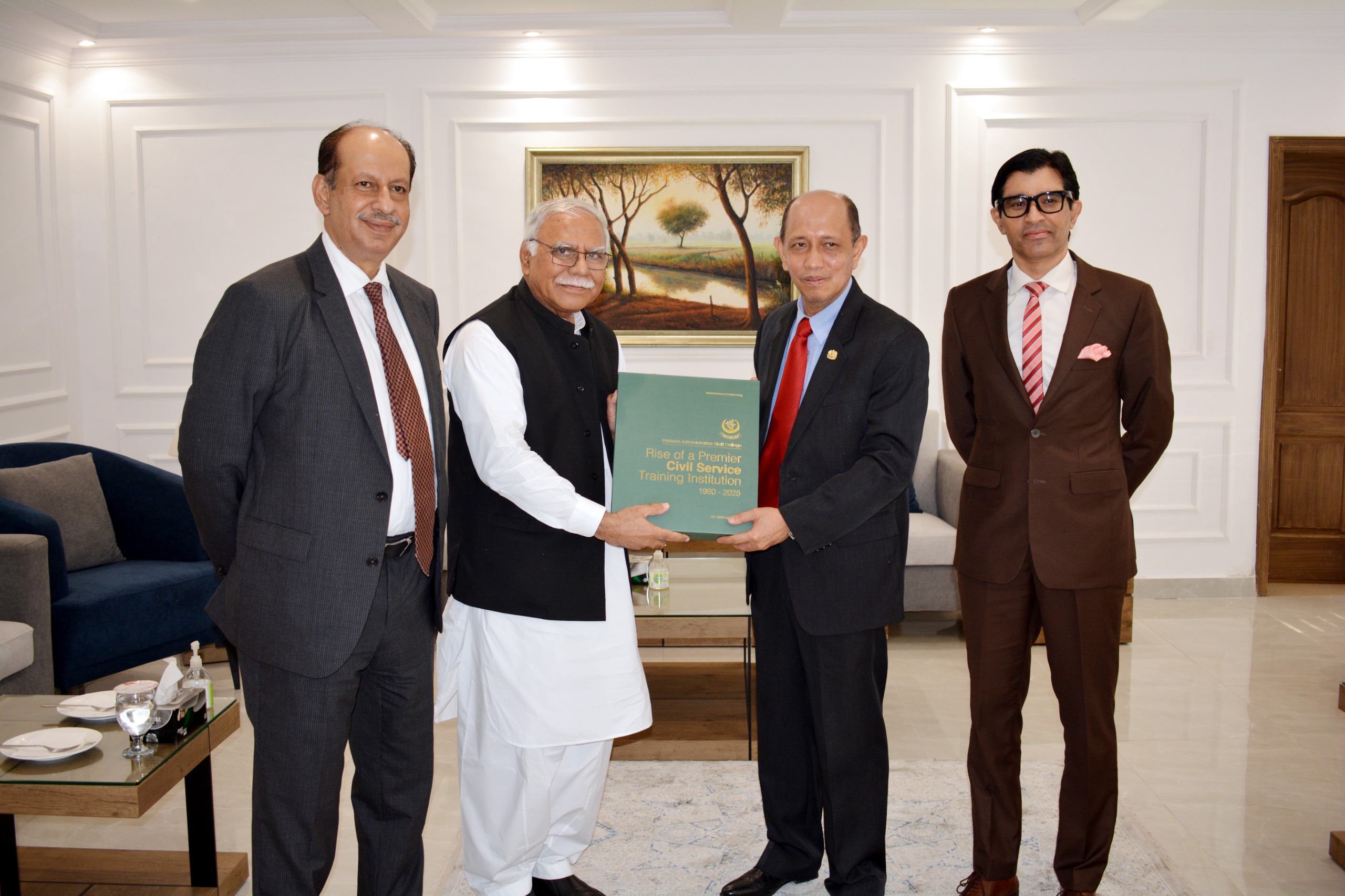
In a landmark session for the 123rd National Management Course, the Pakistan Administrative Staff College was honoured to host Chief Minister Punjab, Ms. Maryam Nawaz Sharif, for a candid and profound talk as part of ‘Keynote Series Talks’. As the first woman to lead a province in Pakistan, her address provided a unique perspective on leadership, governance, and the pressing challenges facing the nation.
The Chief Minister began by reflecting on her unexpected journey into politics, shaped by personal adversity. She described how these challenges forged a resilience that underpins her philosophy of public service: that duty must always transcend personal comfort. She outlined the fragmented state of governance she inherited and her primary mission to build a cohesive, merit-based team. Emphasizing open communication and security of tenure, she stated, “I am a team member,” championing a leadership style based on collective effort rather than top-down control.
At the heart of her address was a framework for effective leadership, which she termed the “Cs of leadership”: Character, Competence, Compassion, Courage, Consistency, Clarity of purpose, Confidence, and Communication. She urged civil servants to see themselves not just as managers of process, but as proactive agents of transformation, tasked with re-engineering government to optimize limited resources and address systemic redundancies.
Identifying key national challenges—including poverty, weak social sectors, population pressure, and climate change—the CM stressed that a reactive mode of governance is no longer viable. She called for foresight and proactive policy to prevent crises, emphasizing that economic growth and public welfare must be the government’s unwavering focus.
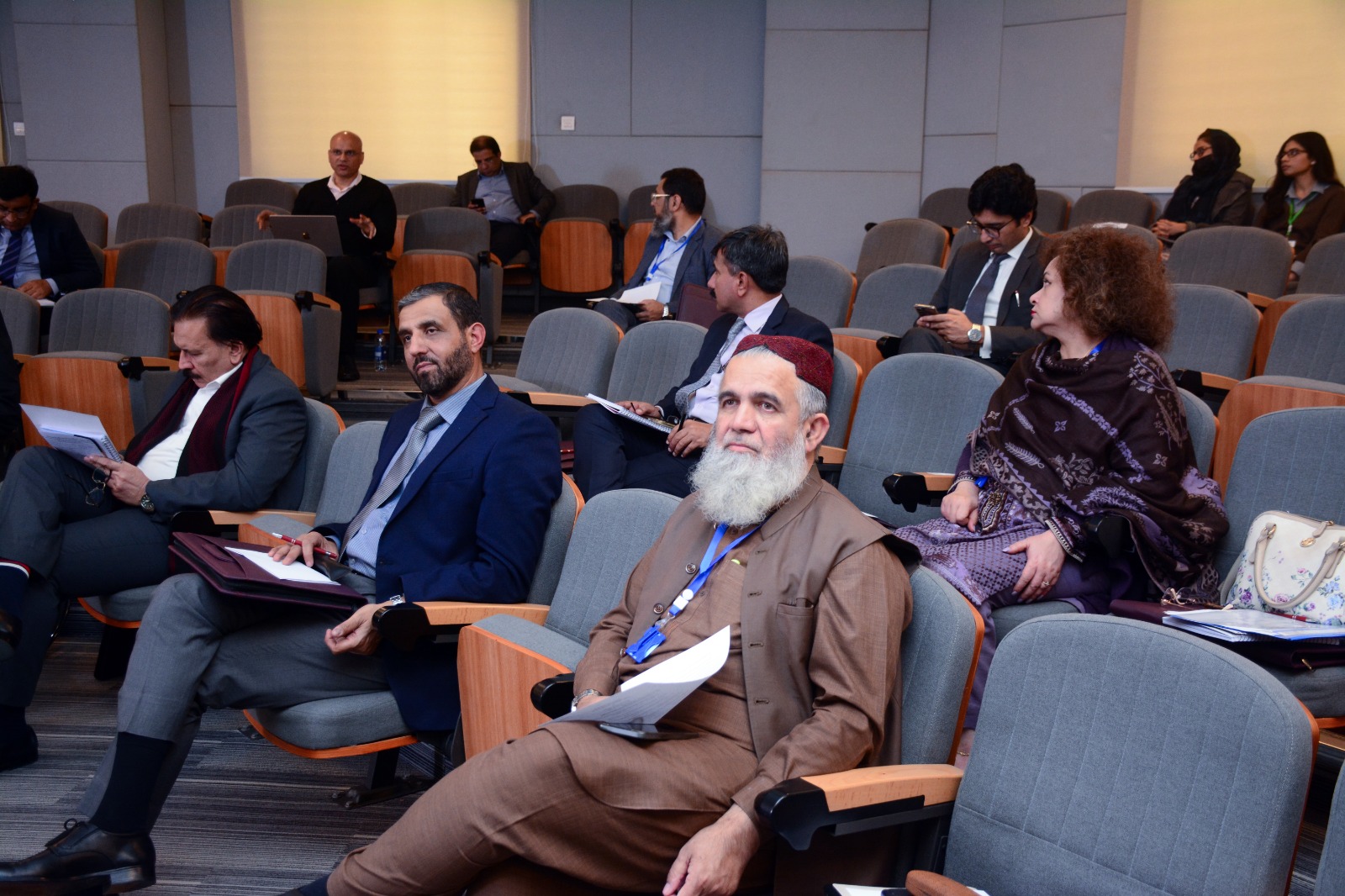
A vibrant question-and-answer session followed, where course participants from various cadres and provinces engaged with the Chief Minister on a range of issues, from the experience of being the first female CM and ensuring project accountability to enhancing inter-provincial harmony and pursuing fiscal stability.
Key takeaways from the session included:
- Leadership is forged through adversity and requires placing public duty above all.
- Good governance rests on merit-based teams, authority with accountability, and open communication.
- The civil service must embrace its role as a transformative force, streamlining systems for public good.
- Pakistan’s complex challenges demand a synergistic alignment between the strategic vision of political leaders and the operational excellence of the civil service.
In his closing remarks, Dean Mr. Muhammad Jamil Afaqi thanked the Chief Minister for her inspiring and insightful address. The talk was received with great appreciation, leaving participants with both practical guidance and a renewed sense of purpose to act as catalysts for positive change in Pakistan’s governance landscape.
This event is part of the National Management Course’s ongoing series of engagements with national leaders to foster strategic dialogue and policy excellence.