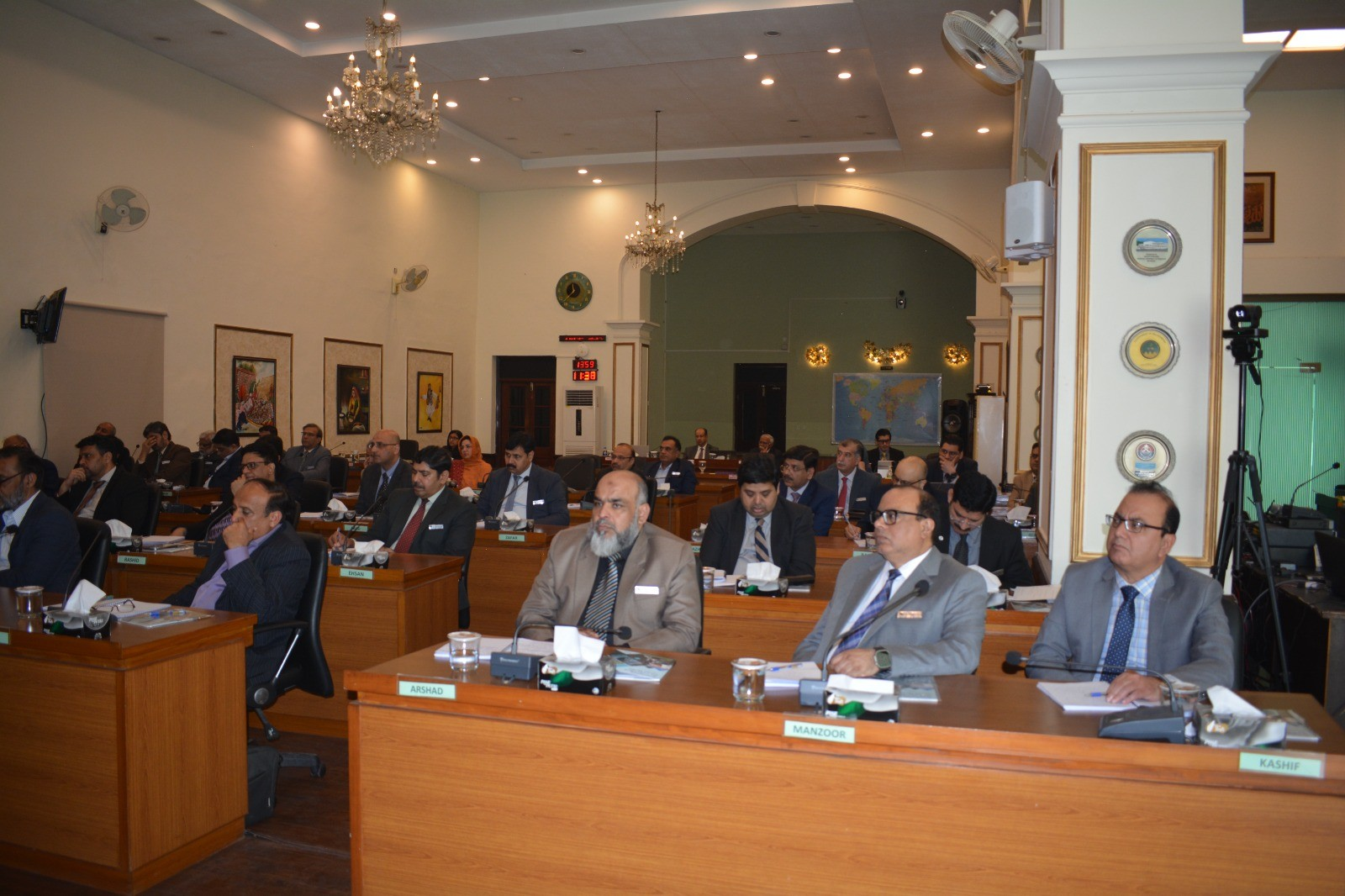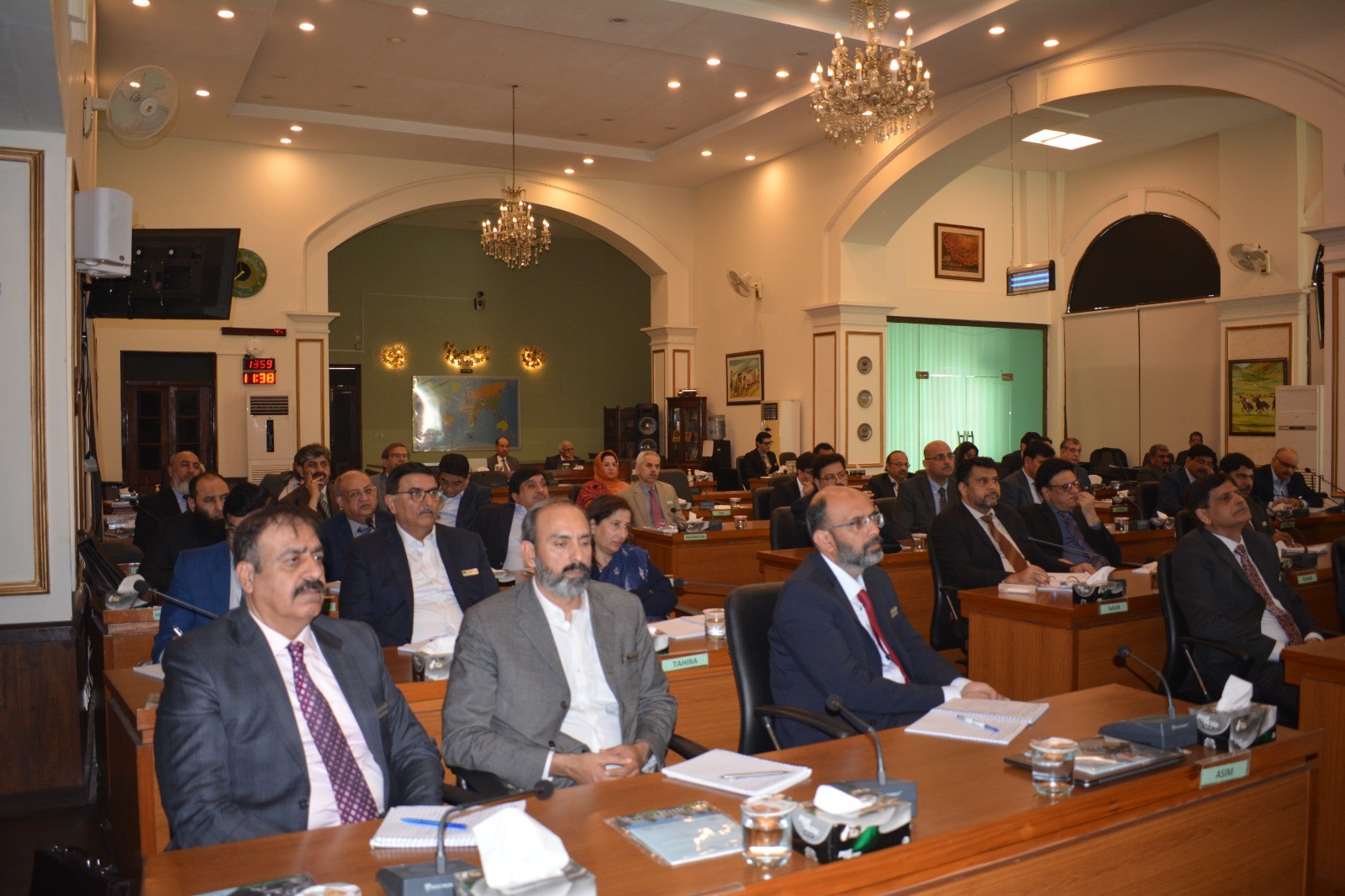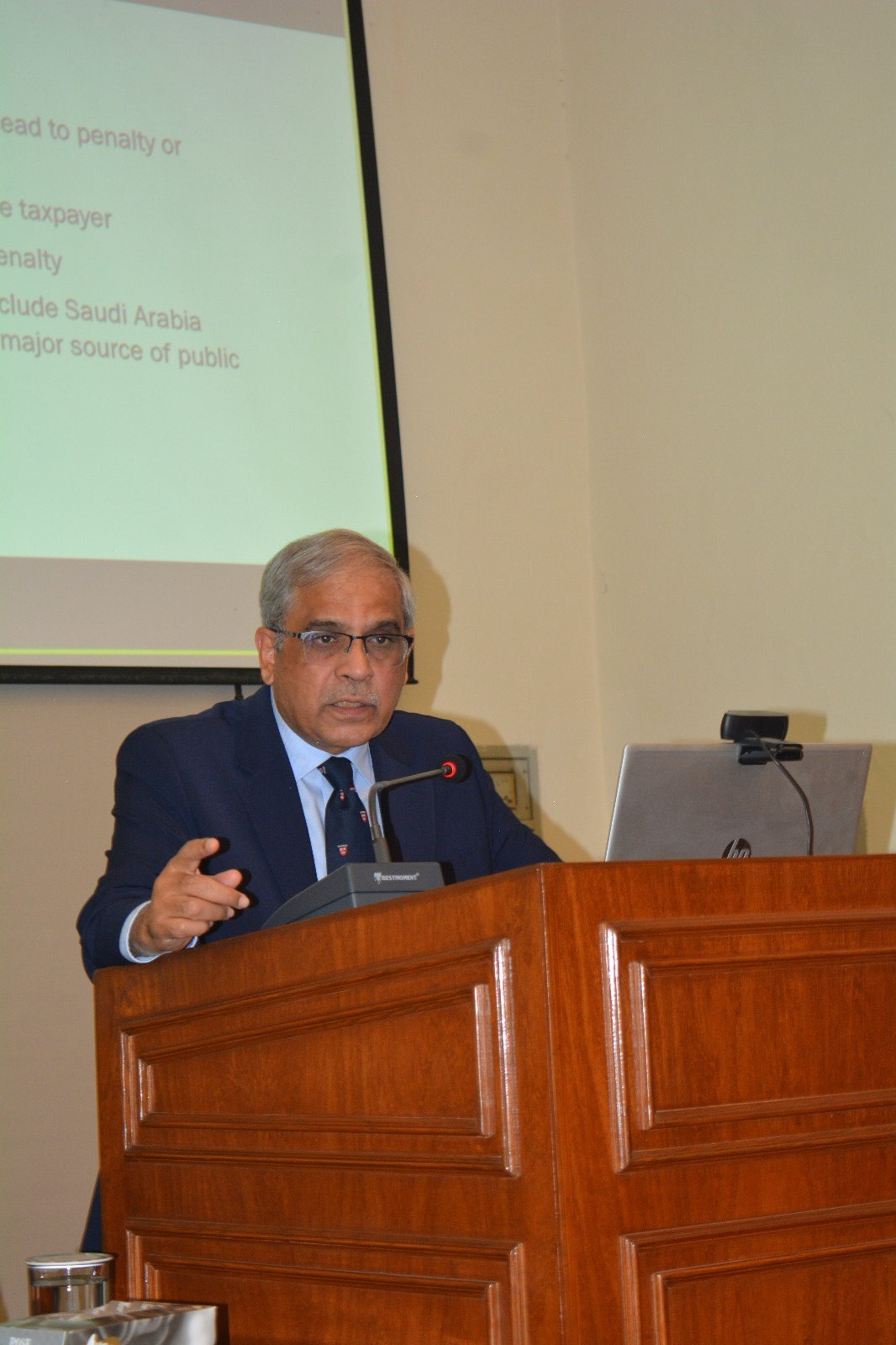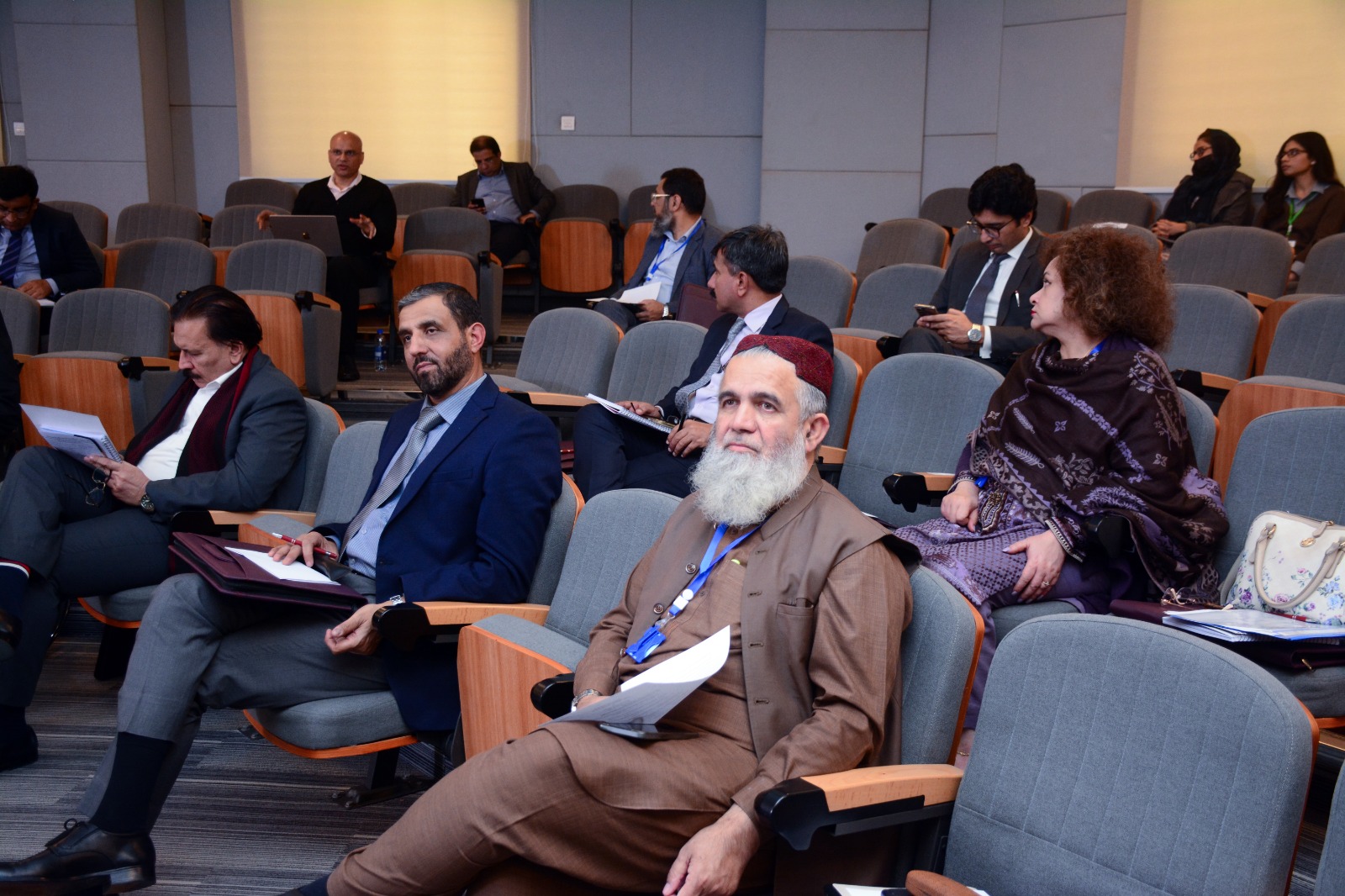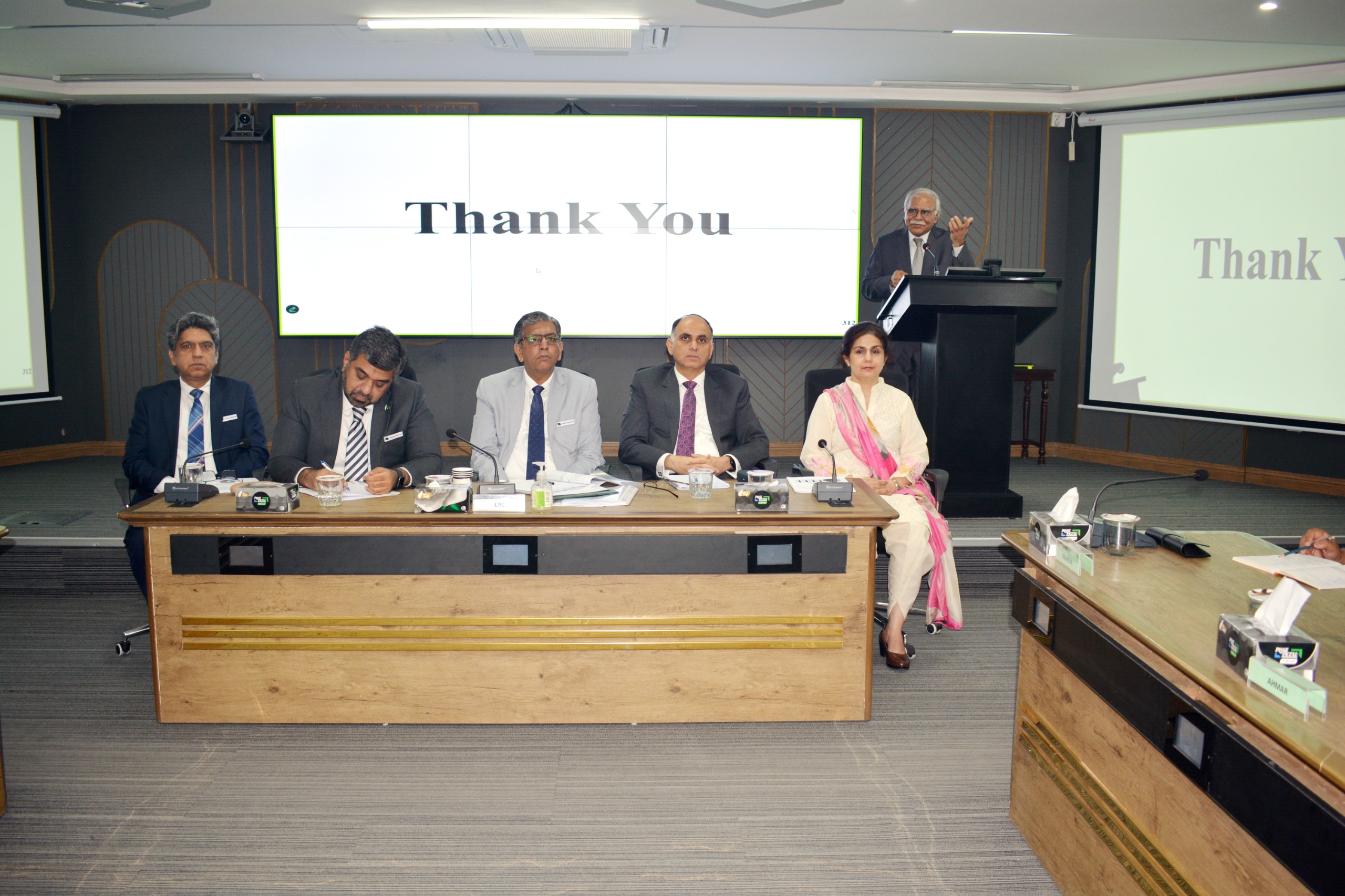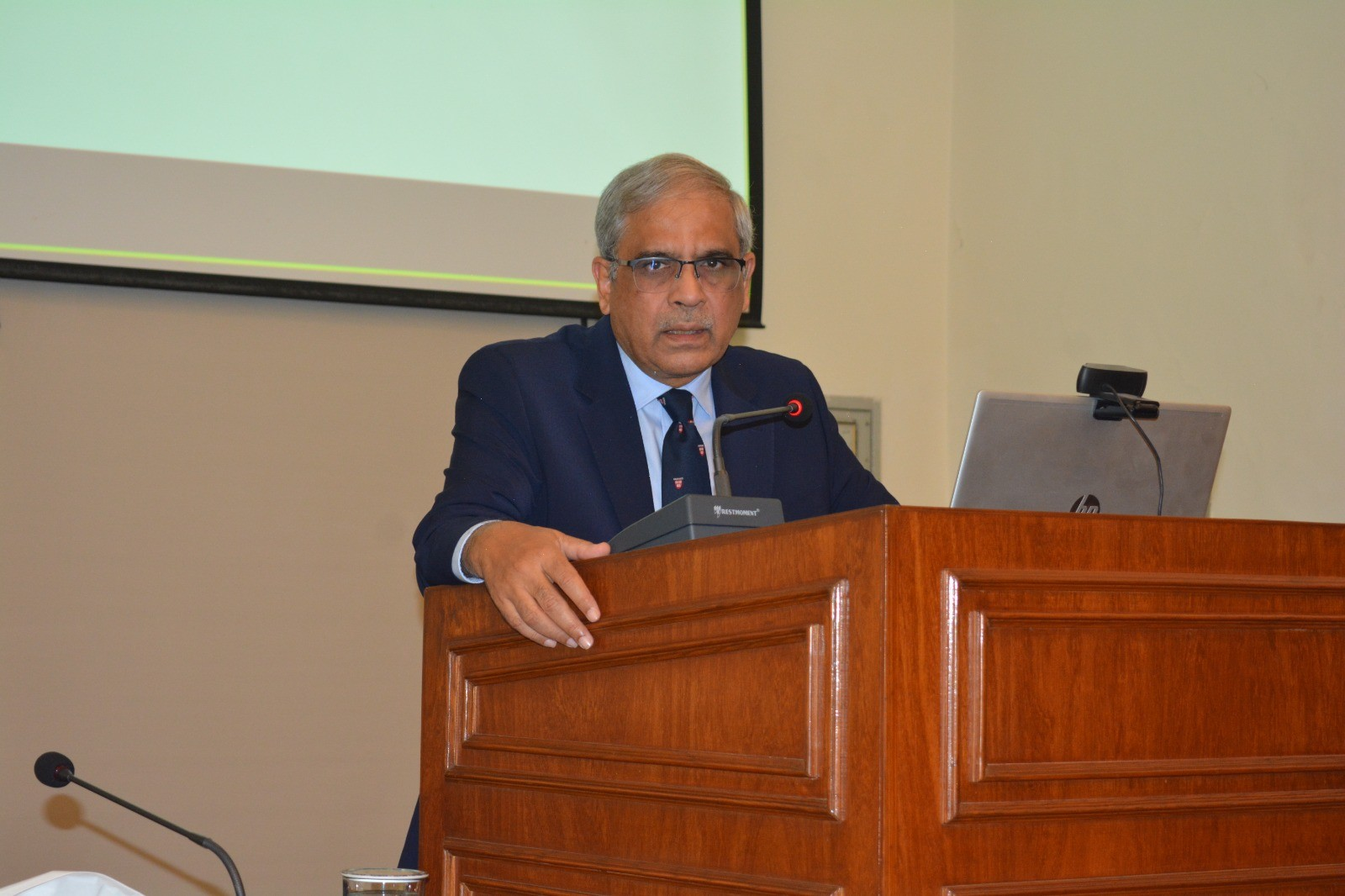
On 11 February 2025, Mr. Tariq Bajwa delivered a thought-provoking lecture on “Critical Issues in Pakistan’s Fiscal and Monetary Policies Management” to the participants of NMC 122. The session provided a comprehensive overview of the interplay between fiscal and monetary policies, emphasizing their role in achieving macroeconomic stability, equitable growth, and sustainable development.
Mr. Tariq Bajwa outlined the government’s use of taxation, public expenditure, and debt management to influence employment, inflation, and growth. Key highlights included the classification of public expenditure into developmental vs. non-developmental categories, revenue generation through direct (e.g., income tax) and indirect taxes (e.g., sales tax), and challenges posed by negative revenue and primary balances. The 2024-2025 fiscal estimates underscored the urgency of prudent debt management, particularly balancing domestic borrowing (via Treasury Bills and Sukuk) and external debt from multilateral institutions and CPEC-linked projects. The talk included the role of State Bank of Pakistan in steering monetary policy through tools such as open market operations, reserve requirements, and the policy rate. Emphasis was placed on the shift toward a Flexible Inflation Targeting framework to balance price stability with growth, supported by data-driven decisions from the Monetary Policy Committee. Contractionary and expansionary approaches were contextualized against inflationary pressures and economic slowdowns, respectively.
The lecture also addressed Pakistan’s exchange rate regime, highlighting SBP’s interventions to mitigate volatility while adhering to market-driven principles. Institutional coordination between the Ministry of Finance, SBP, and regulatory bodies was stressed as critical for effective policy implementation.
A lively Q&A session followed, exploring practical challenges such as enhancing tax compliance, managing external debt sustainability, and optimizing CPEC investments. The session concluded with a consensus on the need for agile, evidence-based policymaking to navigate Pakistan’s evolving economic landscape.